Portland News

Antania Joins Suicide Commando in Portland, October 17, 2025

By: Elena Mart

On a dark and gloomy night in Portland, OR, I found my way to the Coffin Club. The Coffin Club is a goth, industrial, and horror-themed bar and music venue located at 421 SE Grand Ave in Portland. It is an LGBTQ-friendly establishment that formerly operated under the name Lovecraft Bar. The venue is known for its darkly decadent atmosphere, with two levels, multiple dance floors, a large patio, and themed décor. From the moment I stepped inside, the flicker of candlelight and the pulse of industrial beats set the tone for the night. It was my first time here and won’t be my last. Quite the perfect setting to see a night of blackened electro. We have Aggrotech inventors, Suicide Commando and Doom-Bass trail blazers, Antania

A pioneer of the electro-industrial, EBM, and aggrotech music scene, Belgium-based Suicide Commando has been commanding darkened dance floors since its debut in 1986. Spearheaded by vocalist Johan Van Roy, his trio brought their floor-stomping intensity to the Coffin Club along with Doom Bass project Antania, who have created a buzz opening for Combichrist, Marduk, Funker Vogt, Psyclon Nine, Prong, Doyle, Otep, and Eva O since they formed a short time ago. 

Those who have been frequenting the dark and gothic club scenes within Portland are no strangers to Antania, as they have been here a few times in the last year or so. Antania is a Joshua Tree, California-based genre-defying blackened act that blends elements of black, death metal, doom, industrial, and experimental bass music. I was actually shocked by how good they were. They reminded me of a cross between Ministry and early Deicide, with an extremely dark, nefarious sound. They have some of the heaviest bass lines I have ever heard, and it is done in a super unique way. Kali Morten has a raspy, venomous, aggressive singing style, and Dr Luna sits behind a custom facade with machines of his own creation, with a goat mask. Highly original and will probably go far. They sell their live show by their fierce sound, and with masks and theatrics, they stand still and pound a sound out that you have never heard before. A must-see act if you like the dark side. They are also getting ready to tour Japan with the Black Metal band Marduk.
Antania Joins Suicide Commando in Portland, October 17, 2025

Photo Courtesy: Alison Stransbugh

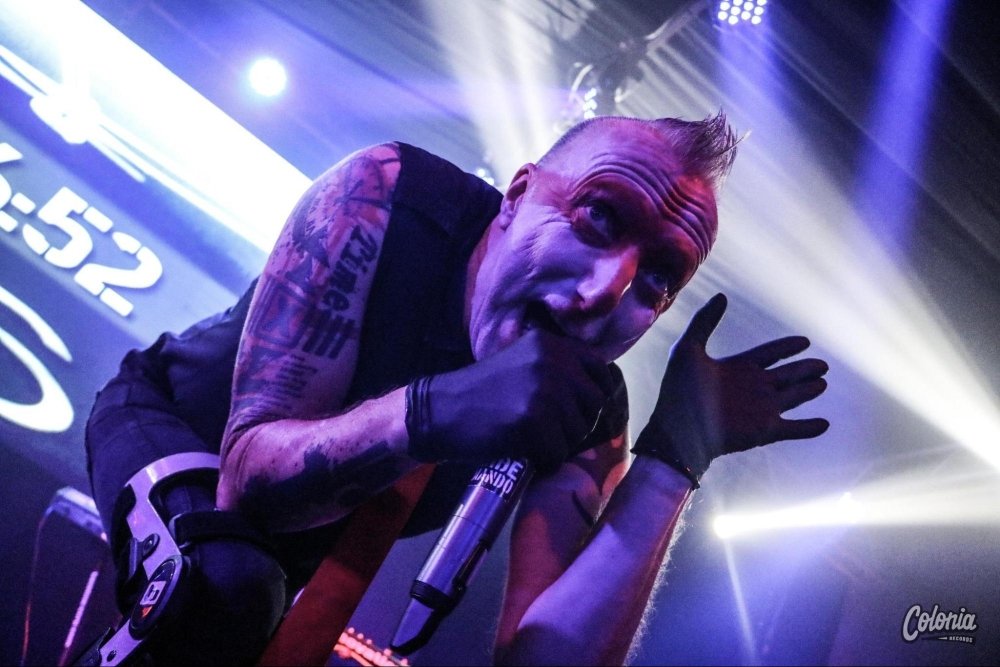
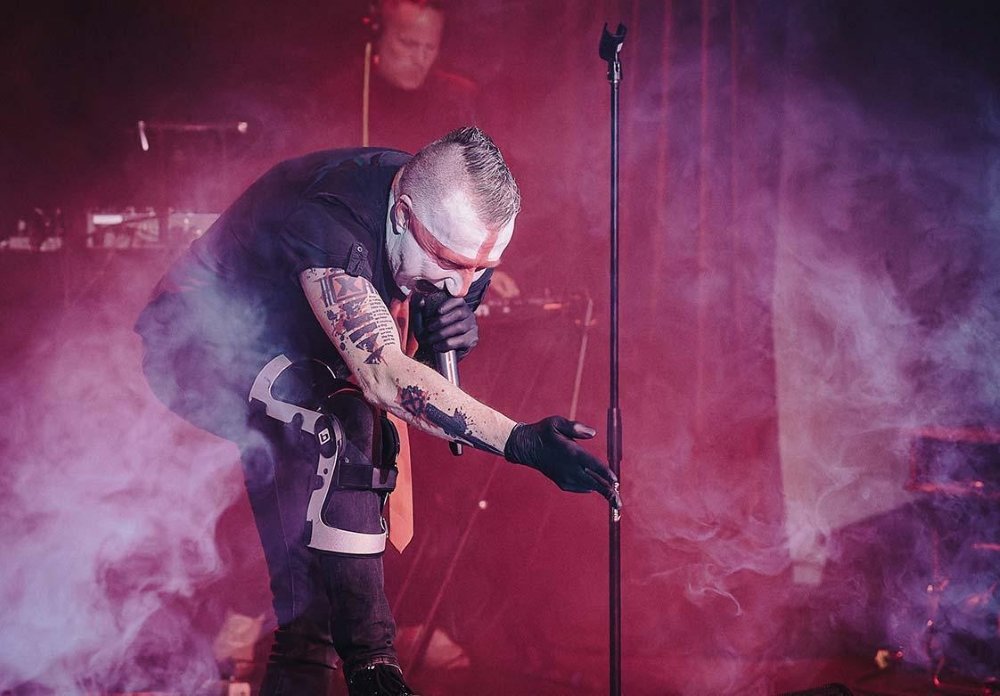
When Suicide Commando took to the stage, the crowd was ready for a performance like no other. They delivered with a set filled with an imposing, almost militant precision, in its aggressive auditory assault. When people refer to the term ‘dance floor stomping’, they are usually referring to Suicide Commando. Van Roy’s vocals, delivered with that unique robotic filter, are iconic and demand attention, as in “Kill All Humanity”, “Die Motherfucker Die”, “Jesus Freak”, “Cause of Death: Suicide”, and “God Is In The Rain”. There is no better way to vent and dance out built-up frustration and anger than to Suicide Commando; this is therapy on the dance floor. Van Roy loves the crowd he plays for, and it shows in his interactions —from reaching out to grab hands at any given moment to hopping right into the crowd to perform amongst them and even crowd-surfing.
Antania Joins Suicide Commando in Portland, October 17, 2025

Photo Courtesy: Alison Stransbugh

This wildly thrilling and unforgettable performance, filled with one of the more new ‘up and coming’ names in Antania, will go down as one of the premier live shows that this city has seen in a while within the gothic club scene. It’s also very appropriate that this performance happened at Coffin Club in Portland, OR, a standout goth club, and that the Portland scene needed this show for personal release. 

Portland Coworking Spaces Struggle as Hybrid Work Stabilizes

Portland coworking spaces are facing a slowdown as hybrid work settles into a more predictable rhythm. What once felt like a booming solution for remote workers and small businesses is now being reexamined. The shift hasn’t been dramatic or sudden, but it’s noticeable. Fewer people are seeking shared desks, and some operators are adjusting their offerings to stay relevant.

This change is affecting not just the businesses that run coworking spaces, but also the freelancers, entrepreneurs, and remote employees who once relied on them. For those who enjoyed the flexibility and community these spaces offered, the current shift might feel like a step backward.

Hybrid Work Has Changed the Coworking Equation

The early days of remote work brought a surge of interest in coworking spaces. People needed somewhere to work that wasn’t their kitchen table, and coworking offered a middle ground between home and office. But as hybrid work became more structured, the need for daily access to shared spaces started to fade.

Many companies now expect employees to come into the office just a few times a week. That means fewer people are looking for full-time coworking memberships. Instead, they want occasional access, or something more tailored to their schedule. This change in behavior has made it harder for coworking spaces to maintain consistent occupancy.

Some locations in Portland have responded by offering more flexible plans, such as day passes or part-time memberships. Others have added amenities like quiet rooms, wellness areas, or childcare options. These adjustments reflect a broader understanding that people aren’t just looking for a desk, they’re looking for a place that fits into their life.

Downtown Portland Faces Unique Challenges

Coworking spaces in downtown Portland are feeling the pressure more than those in residential neighborhoods. The city center still hasn’t fully recovered its pre-pandemic energy. Foot traffic is lighter, and some businesses have closed or moved out. That affects coworking spaces that rely on nearby cafes, restaurants, and transit options to attract members.

Portland Coworking Spaces Struggle as Hybrid Work Stabilizes

Photo Credit: Unsplash.com

Spaces located in quieter neighborhoods or near parks and schools are doing slightly better. They offer a more relaxed environment and are closer to where people live. That convenience matters, especially for those who are balancing work with family responsibilities.

Still, even in these areas, demand isn’t what it used to be. Operators are finding that they need to do more than just provide a desk and Wi-Fi. They’re hosting events, offering networking opportunities, and trying to build a sense of community. These efforts can help, but they also require time and resources.

Freelancers and Small Businesses Are Reconsidering Costs

For freelancers and small business owners, coworking spaces were once an affordable way to access professional amenities. But with hybrid work stabilizing, some are questioning whether the cost is still worth it.

Working from home has its drawbacks, but it’s free. And with better home office setups, the need to pay for a shared space isn’t as urgent. Some people still prefer the structure and social aspect of coworking, but they’re more selective about how often they use it.

Others are exploring alternatives, like working from libraries, cafes, or even renting small private offices. These options can offer more privacy and control, especially for those who need quiet or have frequent meetings.

Coworking spaces that want to attract these users are experimenting with new pricing models. Some offer bundled services, while others focus on niche markets like creatives or tech professionals. These strategies can help, but they also reflect the reality that the old model doesn’t work as well anymore.

Coworking Still Matters, But It’s Evolving

Despite the challenges, coworking isn’t disappearing from Portland. It’s changing. The concept of shared workspaces still appeals to many, especially those who value flexibility and connection. But the way people use these spaces is shifting, and operators need to keep up.

Some coworking spaces are finding success by focusing on specific communities. They’re not trying to be everything to everyone. Instead, they’re creating environments that support certain types of work or lifestyles. That might mean offering studios for artists, labs for makers, or quiet zones for writers.

Others are partnering with local organizations or hosting public events. These efforts help build visibility and attract people who might not have considered coworking before. They also reinforce the idea that coworking is about more than just space, it’s about relationships and shared purpose.

For those who miss the energy of a busy coworking space, the current slowdown can feel disappointing. But it’s also an opportunity to rethink what these spaces can be. Portland has always been a city that values creativity and independence. Coworking can still support those values, even if the format looks different than it did a few years ago.

Looking Ahead in Portland’s Coworking Scene

Portland Coworking Spaces Struggle as Hybrid Work Stabilizes

Photo Credit: Unsplash.com

The future of Portland coworking spaces will likely depend on how well they adapt to the new rhythm of hybrid work. That means listening to what people actually need, not just offering what used to work.

It also means being honest about the challenges. Running a coworking space isn’t easy, especially with fluctuating demand and rising costs. But those who are willing to experiment and stay connected to their communities may find new ways to thrive.

For those who are navigating this shift, whether as a business owner, freelancer, or remote employee, it’s understandable to feel uncertain. The options aren’t as clear-cut as they once were. But Portland’s coworking scene is still alive, and it’s still trying to meet people where they are.

Whether that means offering more flexible hours, better amenities, or simply a quiet place to focus, the goal remains the same: to support work in a way that feels human, practical, and connected to the city.


Portland’s Dance Culture: Influencing the City’s Artistic Identity

Portland dance culture is a living expression of the city’s creative pulse. It reflects the values of experimentation, inclusivity, and community engagement that define Portland’s broader artistic identity. From contemporary studios in the Pearl District to spontaneous street performances in Alberta, dance in Portland is both a personal and collective language.

The city’s movement scene thrives on hybridity. Classical ballet intersects with hip-hop, folk traditions blend with improvisational forms, and dancers often collaborate across disciplines. This openness has made Portland a magnet for choreographers, performers, and audiences seeking authenticity and innovation.

Community Spaces and Grassroots Performance

Dance in Portland is deeply rooted in community. Local studios, cultural centers, and public parks serve as stages for emerging and established artists. These spaces foster collaboration and accessibility, allowing dancers to connect with audiences outside formal venues.

Neighborhoods like Sellwood and St. Johns host pop-up performances and workshops that invite participation rather than passive observation. Dance becomes a shared experience, reinforcing Portland’s reputation as a city that values inclusion and artistic freedom.

Seasonal events also play a role in shaping Portland dance culture. The Back Cove Festival, for example, has become a cultural touchpoint where movement intersects with music, food, and storytelling. The festival’s emphasis on local talent and cross-cultural exchange highlights how Portland’s Back Cove Festival contributes to the city’s evolving artistic identity.

Cross-Genre Collaborations and Musical Influence

Portland dance culture does not exist in isolation. It is deeply influenced by the city’s music scene, which spans folk, jazz, electronic, and experimental genres. Collaborations between dancers and musicians are common, resulting in performances that feel immersive and emotionally resonant.

Folk music, in particular, has had a lasting impact. Its rhythmic structures and storytelling traditions have inspired choreographers to explore narrative movement and communal themes. The relationship between folk and dance continues to shape Portland’s creative output, as seen in the growing fusion of traditional melodies with contemporary choreography. This dynamic is explored in the context of folk music’s influence on modern pop culture, where movement and sound evolve together.

These collaborations often take place in unconventional settings. Warehouse spaces, rooftop gardens, and repurposed industrial buildings become canvases for interdisciplinary work. The result is a dance culture that is fluid, responsive, and deeply connected to the city’s sonic landscape.

Dance as Cultural Preservation and Innovation

Portland’s dance community also serves as a steward of cultural preservation. Immigrant and Indigenous groups use movement to honor traditions and pass down stories. At the same time, younger generations reinterpret these forms, blending them with contemporary styles to create something new.

This dual role, preserving heritage while fostering innovation, is central to Portland’s artistic identity. It allows the city to remain rooted in history while embracing change. Dance becomes a living archive, one that evolves with each performance and each generation.

Educational programs support this mission. Schools and nonprofits offer classes in traditional and modern dance forms, often taught by artists who bridge cultural and stylistic divides. These programs ensure that Portland dance culture remains dynamic and inclusive.

Economic and Social Impact of Dance in Portland

Beyond its artistic value, Portland dance culture contributes to the city’s economy and social fabric. Performances attract tourism, support local businesses, and generate revenue for venues and vendors. Dance festivals and showcases bring visitors to the city, boosting hospitality and retail sectors.

Socially, dance fosters connection. It creates opportunities for dialogue, empathy, and shared experience. In a city known for its progressive values, movement serves as a platform for activism and community healing. Whether addressing climate justice, racial equity, or mental health, Portland’s dancers use choreography to spark conversation and inspire change.

Challenges Facing Portland’s Dance Scene

Despite its vibrancy, Portland dance culture faces challenges. Rising costs for studio space, limited funding for arts programs, and the impact of economic uncertainty have put pressure on performers and organizers. Maintaining accessibility and diversity requires ongoing support from public and private sectors.

Portland's Dance Culture Influencing the City's Artistic Identity

Photo Credit: Unsplash.com

Gentrification has also affected the availability of rehearsal and performance spaces. As neighborhoods evolve, long-standing cultural hubs risk displacement. Advocates are calling for zoning protections and cultural preservation policies to ensure that dance remains embedded in the city’s infrastructure.

Opportunities for Growth and Sustainability

Opportunities lie in digital expansion and hybrid performance models. Livestreamed shows, virtual workshops, and online collaborations allow Portland’s dance community to reach wider audiences while preserving local intimacy. These tools also help document performances, creating archives that future generations can learn from and build upon.

Policy support is essential. Grants, tax incentives, and investment in cultural districts can help sustain the infrastructure that dance relies on. When the city prioritizes the arts, it reinforces its identity as a place where creativity is not just welcomed but woven into everyday life.

Partnerships with schools, libraries, and community centers can also expand access. By integrating dance into public education and civic programming, Portland can nurture the next generation of artists while strengthening its cultural foundation.

Portland Dance Culture in Motion

Portland dance culture is not static. It moves with the city, through its streets, its stories, and its people. It reflects the rhythms of daily life, the pulse of activism, and the joy of shared celebration. From folk-inspired choreography to experimental movement, dance in Portland is a living expression of artistic identity.

As the city continues to grow and change, its dance culture will remain a vital force. It will challenge norms, honor traditions, and invite everyone to participate in the creative process. In Portland, dance is not just performance. It is presence, purpose, and possibility.