

Family-Friendly Entertainment at Oregon Zoo’s ZooNights

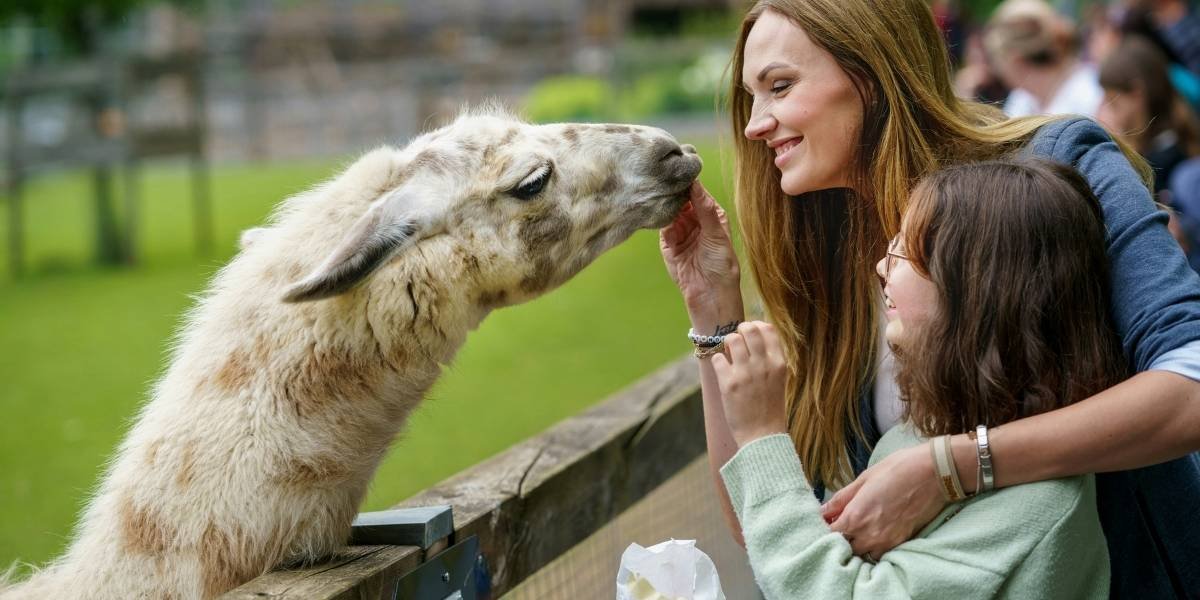
The Oregon Zoo is one of the region’s most cherished attractions, known for its commitment to wildlife conservation, education, and creating unforgettable experiences for visitors of all ages. Situated within Washington Park, the zoo is home to a wide array of animals from around the globe, including elephants, lions, and polar bears. The zoo’s emphasis on environmental education and sustainability has made it an iconic destination for families seeking a fun and educational day out.
One of the highlights of the zoo’s summer events is ZooNights, a series of special evening events that transform the zoo into a magical, family-friendly environment. ZooNights offers families a unique opportunity to explore the zoo after hours, experience live entertainment, and engage in interactive activities that foster learning about wildlife and conservation. This evening event is designed to make visiting the zoo even more enjoyable, offering a different perspective on the animals and providing fun-filled activities that appeal to both children and adults.
ZooNights is quickly becoming one of Portland’s favorite summer traditions, combining animal exhibits, live music, educational programs, and outdoor fun in a way that is accessible and exciting for the whole family.
Read also: Parenting in Portland: Raising a Family in the City of Roses
What Are the Main Attractions of ZooNights?
ZooNights offers a variety of attractions that make it an ideal family outing. One of the main highlights of the event is the chance to explore the zoo’s animal exhibits after sunset. Many animals, especially nocturnal species, are more active in the evening, providing visitors with a unique chance to observe wildlife behavior they may not see during regular daytime visits. Families can enjoy watching the zoo’s elephants and big cats as they move about in their habitats, adding a touch of excitement to the evening.
In addition to the animal exhibits, ZooNights provides plenty of engaging activities for children. Kids can enjoy hands-on experiences such as animal-themed crafts, face painting, and nature-based games. Interactive displays and live animal demonstrations offer opportunities for families to learn more about the animals and the zoo’s conservation efforts. These activities are designed to be both fun and educational, encouraging kids to engage with nature and learn more about the world around them.
For music lovers, ZooNights features live performances by local bands, providing a vibrant soundtrack to the evening. With a wide range of musical genres, from jazz and folk to contemporary hits, these performances create a lively atmosphere that adds to the festive environment. The combination of live entertainment, animal encounters, and fun activities makes ZooNights a dynamic and engaging experience for all.
How Does ZooNights Combine Education with Fun?
ZooNights excels at blending fun with education. While families enjoy the event’s various activities, they also have the opportunity to learn about the zoo’s wildlife and conservation programs. Throughout the zoo, visitors can find educational stations where they can learn about animal behavior, environmental conservation, and the importance of protecting endangered species. Interactive displays, such as touch screens and hands-on exhibits, offer fascinating insights into the animals and their habitats.
The zoo’s knowledgeable staff and zookeepers offer short talks and demonstrations, providing additional information about the animals and their conservation status. These talks are designed to be engaging for both children and adults, ensuring that everyone leaves with a greater understanding of the challenges wildlife faces and how they can help protect the environment. Whether it’s learning about the zoo’s breeding programs or how the zoo works to combat climate change, ZooNights makes education accessible and fun for families.
Why is ZooNights an Ideal Event for Families?
ZooNights is designed with families in mind, providing a safe, comfortable, and engaging environment for everyone to enjoy. The evening hours make the event less crowded, allowing families to explore the zoo at a leisurely pace without the usual daytime rush. Visitors can take their time enjoying the exhibits, participate in activities, and enjoy the evening atmosphere at their own speed.
The zoo ensures that all families are well-catered for, with ample seating areas, stroller rentals, and kid-friendly food options available. The relaxed atmosphere allows parents to feel at ease while exploring the zoo, and the variety of activities ensures that there’s something for everyone. Whether it’s learning about conservation, enjoying live music, or watching the animals in a different light, ZooNights offers a comprehensive family experience.
For families with young children, ZooNights is an excellent way to introduce them to wildlife and nature in a more manageable setting. The zoo’s spacious grounds and accessible amenities make it easy for families with strollers or young children to navigate, ensuring a comfortable visit for all.
How Can Families Maximize Their ZooNights Experience?
To make the most of ZooNights, families are encouraged to plan ahead. Tickets can be purchased in advance, and it’s a good idea to arrive early to take full advantage of the evening’s activities. Families should check the event schedule to ensure they don’t miss any of the special performances, talks, or activities.
It’s also important to dress comfortably and bring layers, as Portland evenings can be cool. Comfortable shoes are recommended, as families will be walking throughout the zoo to enjoy the various exhibits. Bringing a light jacket or sweater will ensure everyone stays warm, especially as the evening progresses. Additionally, families should plan to take breaks and grab snacks or dinner from the zoo’s food vendors to stay energized.
Read also: Beyond Bars and Beasts: Reimagining the Modern Zoo Experience
Why Is ZooNights a Must-Visit Family Event in Portland?
ZooNights at the Oregon Zoo is an unforgettable family experience that blends entertainment, education, and wildlife conservation. It provides an opportunity for families to explore the zoo in a new way while enjoying live music, interactive activities, and animal encounters. With a focus on conservation and hands-on learning, ZooNights offers something for every member of the family, making it an ideal summer outing.
Whether visiting for the first time or returning for another round of fun, ZooNights offers a unique way to connect with nature, explore wildlife, and learn more about the world’s endangered species. With its welcoming atmosphere and diverse activities, ZooNights is a highlight of the Portland summer that families won’t want to miss.
