




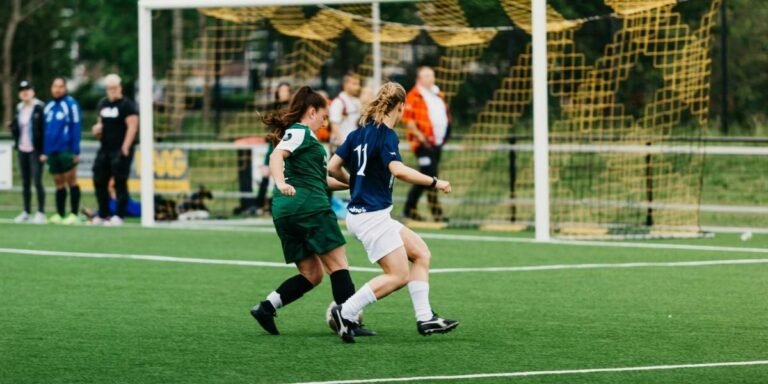


Inclusive sports are redefining athletic participation in Portland, offering disabled athletes opportunities that were once out of reach. From adaptive cycling to wheelchair basketball, the city’s commitment to inclusive sports is not just progressive, it’s transformative. As Portland continues to lead in urban innovation and community engagement, its inclusive sports scene is becoming a national model for accessibility, equity, and empowerment.
Inclusive Sports in Portland: More Than Just Access
Inclusive sports go beyond physical access. They foster community, build confidence, and promote health for athletes of all abilities. In Portland, inclusive sports programs are designed to meet the diverse needs of disabled athletes, whether they’re pursuing recreation, competition, or rehabilitation.
Organizations like Adaptive Sports Northwest and Portland Parks & Recreation have expanded offerings to include seated volleyball, goalball, and adaptive rowing. These programs are tailored to different mobility levels and sensory needs, ensuring that inclusive sports are truly inclusive in practice.
Adaptive Equipment and Innovation in Action
One of the key drivers of Portland’s inclusive sports success is its investment in adaptive equipment. Specialized gear, such as racing wheelchairs, tandem bikes, and prosthetic-friendly swimwear, allows athletes to participate fully and safely.

Photo Credit: Unsplash.com
For example, the city’s adaptive cycling program features handcycles and recumbent bikes that accommodate a range of physical conditions. These innovations align with broader urban mobility efforts that prioritize accessibility in public spaces and transportation.
Local nonprofits and tech startups are also collaborating to develop custom equipment for athletes with unique needs. This includes 3D-printed prosthetics and sensor-based training tools that help track progress and prevent injury.
Inclusive Sports and Mental Health Benefits
The impact of inclusive sports extends beyond physical fitness. Participation in adaptive athletics has been shown to improve mental health, reduce isolation, and build resilience. In Portland, many disabled athletes report increased self-esteem and social connection through inclusive sports programs.
For example, a visually impaired runner joined a tandem running group in Forest Park. With the help of trained guides and community support, they completed their first 10K and now mentor other athletes. This story reflects how inclusive sports can empower individuals and foster leadership.
Youth Engagement and School Partnerships
Portland’s inclusive sports movement is also reaching younger athletes. Schools across the city are partnering with local organizations to introduce adaptive PE programs and inclusive sports clubs. These initiatives ensure that disabled students have equal opportunities to participate, compete, and thrive.
One standout example is the Unified Basketball League, which pairs students with and without disabilities on the same team. The program promotes teamwork, empathy, and skill development, while challenging stereotypes about ability and competition.
By embedding inclusive sports into school culture, Portland is cultivating a generation that values diversity and inclusion from the start.
Inclusive Sports and Community Building
Inclusive sports are a powerful tool for community building. Events like the Portland Adaptive Sports Expo and the Inclusive Fitness Fair bring together athletes, families, coaches, and healthcare providers to celebrate progress and share resources.
These gatherings also serve as platforms for advocacy, highlighting the need for continued investment in accessible facilities, inclusive coaching certifications, and public awareness campaigns. The city’s inclusive sports scene is not just about individual achievement, it’s about collective impact.
Facilities That Support Inclusive Sports
Portland’s commitment to inclusive sports is evident in its infrastructure. Parks, gyms, and recreation centers are being retrofitted with ramps, lifts, and sensory-friendly spaces. The Matt Dishman Community Center, for instance, offers adaptive swim classes and wheelchair-accessible fitness equipment.
These upgrades reflect a broader trend in Portland’s approach to inclusive design, which has also influenced sports facility evolution across the region. By prioritizing universal access, the city ensures that inclusive sports are not limited by geography or income.
Inclusive Sports and Local Leadership
Portland’s inclusive sports success is driven by passionate leaders, coaches, therapists, volunteers, and athletes themselves. Many programs are led by individuals with lived experience, bringing authenticity and empathy to their work.
Brands like Nike and Columbia Sportswear have also supported inclusive sports initiatives through grants, gear donations, and awareness campaigns. Their involvement helps amplify the message that inclusive sports are essential, not optional.
Scaling Inclusive Sports in Portland
As demand grows, Portland is exploring ways to scale its inclusive sports offerings. This includes expanding training for coaches, increasing funding for equipment, and integrating inclusive sports into mainstream athletic events.
Future goals include hosting regional adaptive sports tournaments, developing mobile fitness units for underserved neighborhoods, and creating mentorship pipelines for disabled youth interested in coaching or sports management.
With continued collaboration and innovation, Portland’s inclusive sports scene will remain a game-changer for disabled athletes, and a blueprint for other cities.
Inclusive Sports as a Catalyst for Change
Inclusive sports are reshaping Portland’s athletic landscape, proving that accessibility and excellence can go hand in hand. By investing in adaptive equipment, inclusive facilities, and community-driven programs, the city is empowering disabled athletes to thrive.
As Portland continues to lead in inclusive sports, it sets a powerful example of what’s possible when equity, innovation, and passion come together. For disabled athletes, the game is changing, and Portland is making sure everyone gets to play.
