




Local art is receiving renewed attention across Portland as city agencies, nonprofits, and grassroots organizers expand support for creative talent. From murals and dance performances to multidisciplinary festivals and artist residencies, Portland is investing in cultural infrastructure that reflects the region’s values: accessibility, equity, and community expression.
This support is not limited to gallery spaces or institutional venues. It’s showing up in neighborhood parks, transit corridors, storefronts, and community centers, places where art becomes part of everyday life. The result is a more visible, inclusive creative ecosystem that prioritizes local voices and public engagement.
Public Funding and Cultural Grants Expand Access
The Regional Arts & Culture Council (RACC) has increased funding for local art projects through its General Operating Support and Arts3C grant programs. These funds help artists cover production costs, secure venues, and reach broader audiences. Recent changes to the application process have made grants more accessible to first-time applicants and historically underrepresented communities.
In 2025, RACC awarded over $1.2 million to Portland-based artists and organizations working in visual art, performance, literature, and interdisciplinary formats. Projects included public murals in Lents and St. Johns, a mobile poetry installation in East Portland, and a series of community dance workshops in North Portland.
These investments reflect a shift toward decentralized cultural programming, one that values neighborhood-level engagement and creative experimentation.
Murals and Public Installations Shape the Cityscape
Portland’s streets and walls continue to serve as canvases for local art. The city’s Public Art Program, managed in partnership with RACC and the Bureau of Planning and Sustainability, has supported dozens of new murals and installations in 2025 alone.
Recent works include a climate-themed mural on SE Division Street, a collaborative piece honoring Indigenous heritage in the Pearl District, and a series of interactive sculptures along the MAX Orange Line. These projects are selected through community input and often involve local youth, educators, and neighborhood associations.
Public installations are also being used to address civic themes, such as housing, environmental justice, and mental health, through visual storytelling. This approach positions art as a tool for dialogue, not just decoration.
Festivals Spotlight Local Talent Across Disciplines
Seasonal festivals continue to play a major role in showcasing Portland’s creative talent. Events like the Back Cove Festival, featured in this cultural celebration spotlight, bring together musicians, dancers, visual artists, and food vendors in a multi-day celebration of local culture.
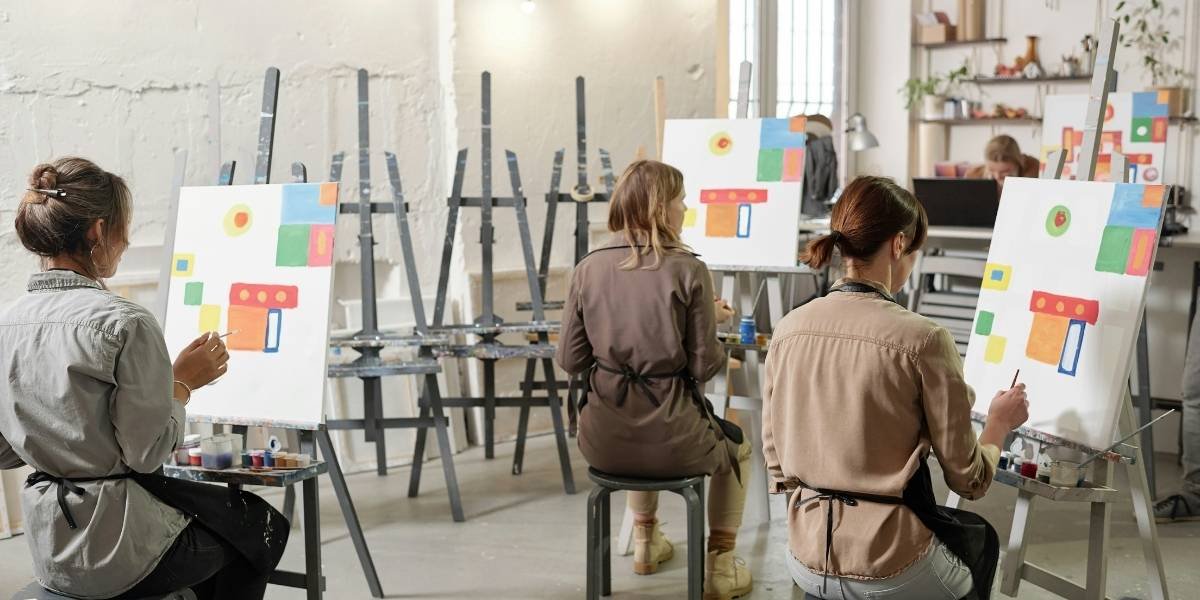
Photo Credit: Unsplash.com
The festival’s 2025 edition included over 60 performances, 40 visual art booths, and a youth-led zine fair. Programming emphasized accessibility, with ASL interpretation, sliding-scale ticketing, and multilingual signage throughout the venue.
Other festivals, such as the Portland Dance Month and the Eastside Art Walk, have expanded their reach by partnering with schools, transit agencies, and small businesses. These collaborations help embed local art into the rhythms of city life, making it more visible and more participatory.
Dance and Movement Arts Receive Dedicated Support
Portland’s dance community has seen increased support through new residencies, rehearsal space subsidies, and performance grants. Organizations like Performance Works NW and White Bird have launched initiatives to support emerging choreographers and movement-based artists.
This growth reflects Portland’s unique relationship with dance as both an art form and a mode of cultural identity. As explored in this feature on Portland’s dance culture, movement arts are often used to explore themes of migration, memory, and resistance.
In 2025, the city’s Office of Arts & Culture partnered with local studios to offer subsidized rehearsal space for independent dancers. These programs have helped reduce barriers for artists working outside traditional institutions, especially those from marginalized communities.
Creative Youth Programming Builds Future Talent
Youth-focused art programs are expanding across Portland, with new funding for after-school workshops, summer residencies, and mentorship initiatives. The Portland Parks & Recreation department has partnered with local artists to offer free art classes in community centers, while nonprofits like My Voice Music and Young Audiences of Oregon continue to provide platforms for youth expression.
These programs emphasize skill-building, storytelling, and civic engagement. Students are encouraged to explore multiple formats, from painting and sculpture to digital media and spoken word, while learning about the role of art in social change.
In 2025, the city launched the Creative Pathways Initiative, a pilot program that connects high school students with working artists for paid internships and portfolio development. The initiative aims to build long-term career pipelines in the arts, especially for students from underrepresented backgrounds.
Storefront Galleries and Pop-Ups Create New Access Points
Beyond traditional galleries, Portland’s creative community is embracing pop-up formats and storefront exhibitions. Vacant retail spaces are being repurposed as temporary art venues, offering low-cost opportunities for artists to show work and engage with the public.
These spaces often feature rotating exhibitions, live performances, and collaborative workshops. In neighborhoods like Foster-Powell and Montavilla, storefront galleries have become hubs for local art, drawing foot traffic and fostering dialogue between artists and residents.
Pop-ups also allow for thematic curation, such as shows focused on climate justice, disability narratives, or queer identity, that might not fit within conventional gallery programming. This flexibility supports a wider range of voices and formats.
Creative Infrastructure and Artist-Led Spaces
Artist-led spaces continue to shape Portland’s creative landscape. Collectives like Ori Gallery, Nat Turner Project, and Carnation Contemporary operate as both exhibition venues and community platforms. These spaces prioritize equity, experimentation, and artist autonomy, often hosting events that blend performance, education, and activism.
In 2025, several collectives received city funding to expand programming and improve accessibility. This included upgrades to physical spaces, digital archiving tools, and stipends for curators and facilitators. These investments recognize the role of artist-led infrastructure in sustaining Portland’s creative ecosystem.
Local Art as Civic Engagement
Portland’s support for local art is increasingly tied to civic engagement. Artists are being invited into planning processes, policy discussions, and public health campaigns. Creative work is being used to visualize data, humanize policy, and build trust between institutions and communities.
This integration is visible in projects like the Civic Imagination Lab, where artists collaborate with urban planners to design participatory installations. It’s also reflected in public health murals, storytelling campaigns around housing, and art-based voter education efforts.
By embedding local art into civic life, Portland is affirming its belief that creativity is not a luxury, it’s a public good.
