

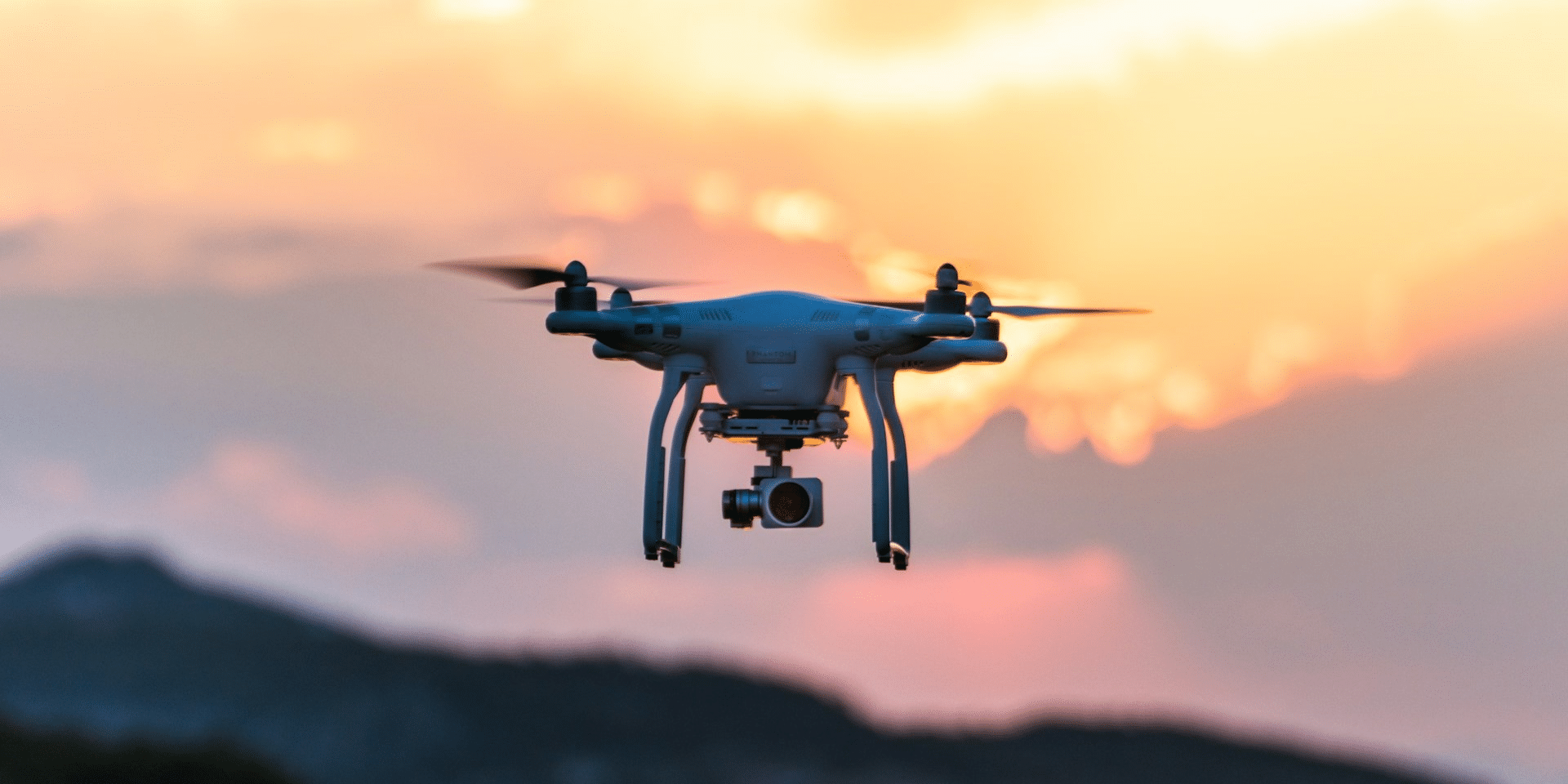






Lost hikers are a common occurrence in remote wilderness areas, where rugged terrain, dense vegetation, and adverse weather conditions can make search and rescue operations challenging and time-consuming. In recent years, drones have emerged as a valuable tool for search and rescue teams, providing aerial reconnaissance capabilities that can significantly enhance the efficiency and effectiveness of search efforts. Let’s explore how drones can help find lost hikers and improve their chances of being located and rescued safely.
Aerial Surveillance
Drones equipped with high-resolution cameras and thermal imaging sensors can conduct aerial surveillance of vast areas of rugged terrain, allowing search and rescue teams to quickly identify potential locations where lost hikers may be stranded or injured. Drones can fly at various altitudes and angles to capture detailed imagery of the terrain, including dense forests, steep cliffs, and inaccessible areas that may be difficult to reach on foot or by conventional means. This aerial perspective provides search teams with valuable real-time intelligence to guide their search efforts and prioritize areas for further investigation.
Rapid Deployment
Unlike traditional search and rescue methods, which may involve deploying ground teams, helicopters, or K-9 units, drones can be rapidly deployed and deployed in minutes, allowing search teams to cover large areas of terrain quickly and efficiently. Drones are lightweight, portable, and easy to transport, making them ideal for deployment in remote and inaccessible locations where traditional search assets may struggle to reach. By deploying drones early in the search process, search and rescue teams can gather critical information and begin the search operation without delay, increasing the likelihood of locating lost hikers before they become endangered.
Enhanced Situational Awareness
Drones provide search and rescue teams with enhanced situational awareness by providing real-time video feeds and telemetry data from the field. Search teams can remotely pilot drones and navigate them through challenging terrain to gather intelligence on the whereabouts of lost hikers, assess their condition, and identify any hazards or obstacles that may impede rescue efforts. This real-time situational awareness enables search teams to make informed decisions, adapt their search strategies, and deploy resources more effectively to locate and rescue lost hikers in a timely manner.
Thermal Imaging
One of the most powerful capabilities of drones in search and rescue operations is their ability to detect heat signatures using thermal imaging technology. Thermal cameras mounted on drones can detect body heat emitted by lost hikers, even in low-light conditions or dense vegetation where visual detection may be challenging. This allows search teams to pinpoint the exact location of lost hikers, especially at night or in adverse weather conditions when visibility is limited. Thermal imaging technology significantly enhances the effectiveness of search operations, increasing the chances of locating lost hikers quickly and bringing them to safety.
Cost-Effectiveness
Drones offer a cost-effective solution for search and rescue operations, especially compared to traditional search assets such as helicopters or manned aircraft. Drones are relatively inexpensive to acquire and operate, requiring minimal maintenance and fuel compared to larger aircraft. Additionally, drones can cover large areas of terrain in a fraction of the time and cost required by conventional search methods, making them a cost-effective alternative for search and rescue teams operating within budget constraints. By leveraging drones for aerial reconnaissance and surveillance, search teams can maximize their resources and increase their operational efficiency without breaking the bank.
Reduced Risk to Search Teams
Search and rescue operations can be dangerous, especially in remote and hazardous terrain where search teams may be exposed to rugged terrain, inclement weather, and other hazards. Drones help mitigate these risks by providing search teams with a safe and efficient means of conducting aerial reconnaissance without putting searchers in harm’s way. By remotely piloting drones from a safe location, search teams can gather critical information and assess the situation without exposing themselves to unnecessary risks, ultimately enhancing the safety and effectiveness of search and rescue operations.
Drones Will Be Important For Rescue Missions
Drones have revolutionized the way search and rescue teams locate and rescue lost hikers in remote wilderness areas. With their ability to conduct aerial surveillance, provide rapid deployment, enhance situational awareness, detect heat signatures using thermal imaging, offer cost-effectiveness, and reduce risk to search teams, drones have become indispensable tools for search and rescue operations worldwide. As technology continues to evolve and drone capabilities improve, we can expect to see further advancements in the use of drones for search and rescue missions, ultimately saving more lives and bringing lost hikers to safety in their time of need.
