

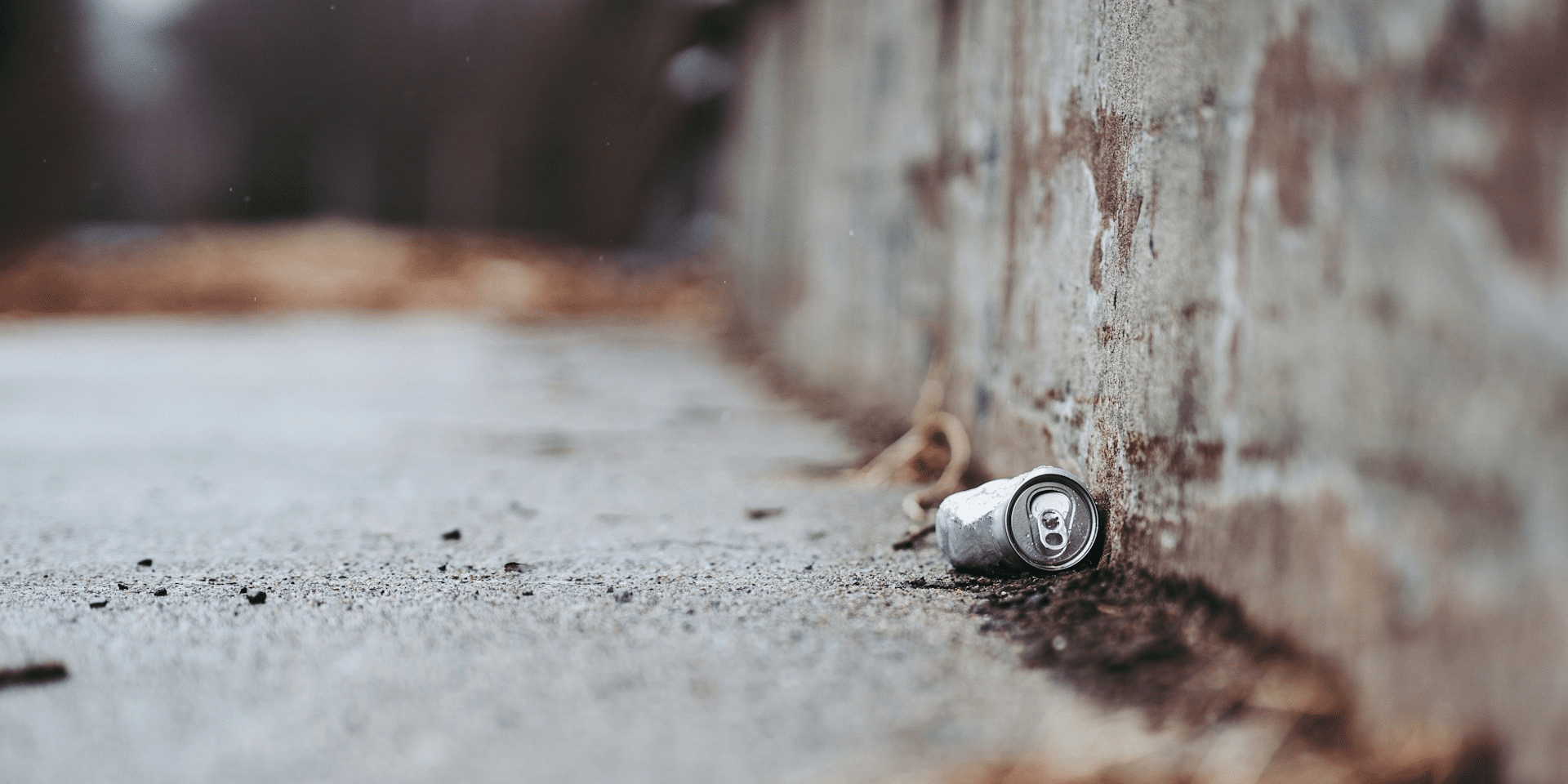






Littering is a common problem that affects communities around the world, including cities like Portland, Oregon. While many people may not give much thought to tossing aside a piece of trash or cigarette butt, the cumulative effect of littering can have serious consequences for the environment, public health, and quality of life. In response to this issue, Portland has implemented regulations and ordinances to discourage littering and promote responsible waste disposal. In this article, we’ll explore the regulations surrounding littering in Portland and the importance of keeping our city clean and beautiful.
1. Definition of Littering
In Portland, littering is defined as the improper disposal of waste materials in public spaces, such as streets, sidewalks, parks, and waterways. This includes throwing or dropping items such as paper, plastic bottles, food wrappers, cigarette butts, and other debris onto the ground instead of disposing of them in designated trash receptacles. Littering not only detracts from the aesthetic appeal of our city but also poses environmental hazards and risks to wildlife.
2. Legal Consequences
Littering is not only unsightly but also illegal in Portland, and violators may face fines and penalties for violating city ordinances. The Portland City Code prohibits littering in public places and imposes fines ranging from $50 to $500 for offenders, depending on the severity of the violation. In addition to monetary fines, individuals who are caught littering may also be required to participate in community service or educational programs aimed at raising awareness about the importance of proper waste disposal.
3. Environmental Impact
The impact of littering extends beyond aesthetics and can have significant environmental consequences. Littered items such as plastic bags, bottles, and packaging can end up in storm drains, rivers, and oceans, where they pose a threat to marine life and ecosystems. Birds, fish, and other wildlife may ingest or become entangled in litter, leading to injury, illness, and death. Additionally, litter can leach harmful chemicals into the soil and water, contaminating natural habitats and affecting water quality.
4. Public Health Concerns
Littering not only harms the environment but also poses risks to public health and safety. Accumulations of litter can attract pests such as rats and insects, increasing the risk of disease transmission and creating unsanitary conditions in public spaces. Cigarette butts, in particular, contain toxic chemicals that can leach into the soil and water, posing risks to human health and wildlife. By reducing littering and promoting clean streets and public spaces, Portland can help protect the health and well-being of its residents and visitors.
5. Community Responsibility
While city regulations and enforcement efforts play a crucial role in addressing littering, keeping Portland clean and beautiful is ultimately a shared responsibility that requires the participation and cooperation of the entire community. Residents, businesses, and visitors can all take simple actions to reduce littering and promote a cleaner environment, such as properly disposing of trash, recycling materials, and picking up litter when they see it. By working together, we can create a cleaner, healthier, and more vibrant city for everyone to enjoy.
6. Education and Awareness
In addition to enforcement measures, education and awareness initiatives are essential for changing attitudes and behaviors around littering. Portland offers educational programs and outreach efforts aimed at raising awareness about the negative impacts of littering and promoting responsible waste management practices. These programs may include community clean-up events, public service announcements, and educational materials distributed through schools, community centers, and online platforms. By educating the public about the importance of keeping our city clean and providing resources for responsible waste disposal, Portland can foster a culture of environmental stewardship and civic pride.
Keeping Portland Beautiful
In conclusion, littering is a serious problem that affects the environment, public health, and quality of life in Portland. By enforcing regulations, raising awareness, and promoting community involvement, Portland can combat littering and create a cleaner, healthier, and more sustainable city for current and future generations. As residents, businesses, and visitors, we all have a role to play in keeping Portland beautiful. By taking simple actions to reduce littering and promote responsible waste disposal, we can preserve the natural beauty and vitality of our city for years to come. Together, we can make a difference and ensure that Portland remains a vibrant and livable community for all.
