

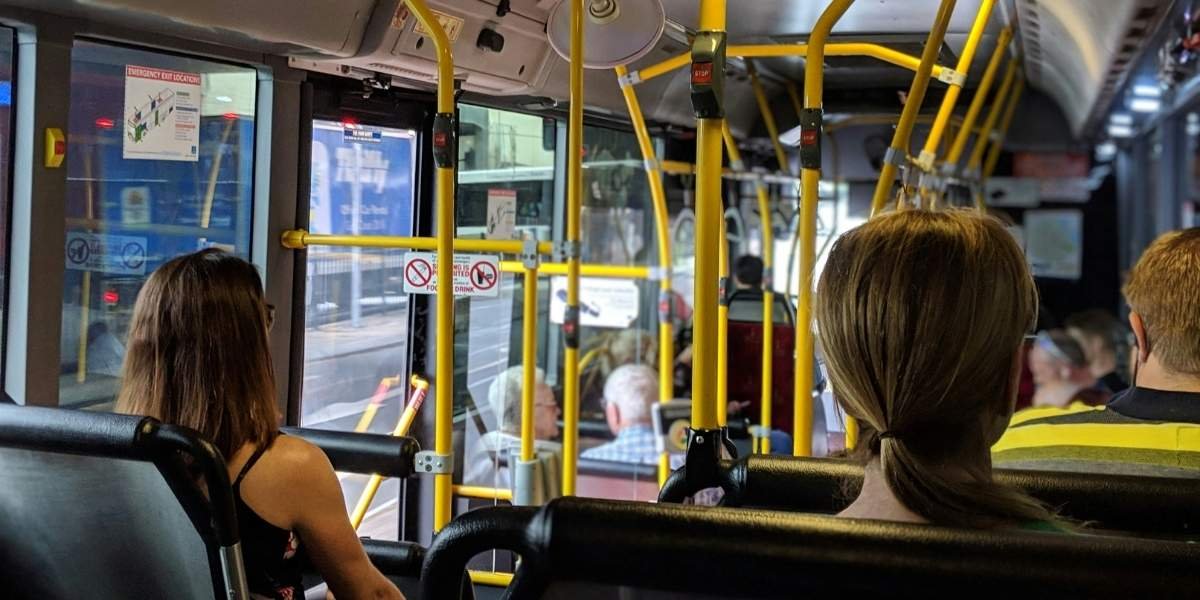





The transportation survey gives Oregon residents until Sept. 10, 2026, to rank transportation priorities, identify the services they rely on and weigh possible spending tradeoffs. The statewide Rebuilding Our Transportation Vision Workgroup says the responses will help inform recommendations on how Oregon manages limited transportation resources.
Key Takeaways
- Oregon’s transportation survey is open until 6 p.m. Sept. 10, 2026.
- Residents can weigh transportation priorities, spending choices and which service reductions would affect them most.
- Earlier statewide polling found that nine in 10 respondents considered reducing traffic congestion a transportation spending priority.
- ODOT reports that 87% of Oregon’s roughly 500 congested lane miles are in the Portland metropolitan area.
- The workgroup will use public feedback alongside transportation system and funding information as it develops recommendations.
The Rebuilding Our Transportation Vision Workgroup opened the statewide transportation survey as part of a broader review of Oregon’s transportation system. According to the state, the group is examining current service levels, transportation funding conditions, performance measures and possible spending tradeoffs.
The survey moves beyond asking residents what they want improved. Participants are also asked where limited transportation dollars should go and which potential service reductions would affect them most.
That distinction gives the questionnaire a practical focus. A resident who regularly drives may place greater importance on pavement, bridges, congestion or highway reliability. Someone who depends on buses may prioritize transit frequency and service coverage. Other residents may place more emphasis on sidewalks, bicycle connections or accessibility.
The survey does not directly determine transportation spending. Its responses will instead become one source of public input used by the workgroup as it develops recommendations.
Transportation pressures are already visible across the Portland area. Recent Portland freeway closures involving I-5 and I-205 illustrated how bridge work, paving, signs and safety improvements can temporarily affect some of the region’s most heavily traveled corridors.
Earlier Oregon Data Shows Congestion and Mobility Concerns
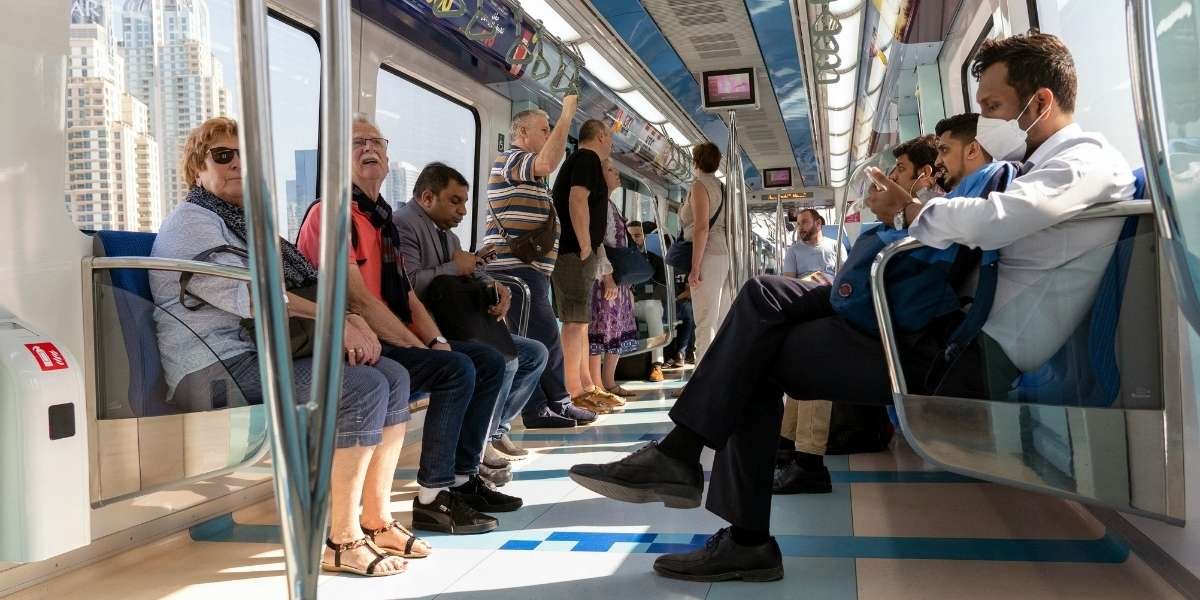
Photo Credit: Unsplash.com
The new transportation survey follows statewide polling that identified several priorities competing for attention.
ODOT’s State of the System reporting cites the 2025 Oregon Transportation Needs and Issues Survey, which found that nine out of 10 respondents placed reducing traffic congestion among transportation spending priorities. Another 88% said funding sidewalks and bicycle lanes on existing streets was important, while 79% considered funding local public transportation in cities important.
Those figures show that the earlier respondents did not identify only one type of transportation need. Congestion, public transit and walking and bicycling facilities all received substantial support.
ODOT also reports that 47% of respondents said they would use transit if service were added or improved where they live. Another 36% said they would walk or bicycle if connections were added or improved.
Portland has also continued testing how different travel modes fit into everyday commuting. A June citywide bike commute brought riders from several neighborhoods toward downtown using existing bicycle lanes, neighborhood greenways and shared corridors.
At the same time, congestion remains concentrated in the state’s largest metropolitan area. ODOT says 87% of approximately 500 congested lane miles statewide are in the Portland metro area. The agency’s data also indicates that congestion statewide increased about 13% from 2023 to 2024 and returned to a pre-pandemic range.
Those conditions differ outside major urban areas. ODOT notes that rural communities tend to have older populations and fewer transportation options, creating a different set of access concerns than those found in Portland and other cities.
Competing Transportation Needs Extend Beyond Roads
The transportation survey comes as Oregon manages a system that includes highways, bridges, public transit support, pedestrian infrastructure and bicycle connections.
ODOT describes its role as maintaining efficient vehicle movement on interstates and highways, connecting walkways and bikeways along state routes and supporting state and local transit through funding programs.
The scale of those responsibilities helps explain why prioritization matters. Existing infrastructure requires maintenance even when no major expansion is planned. Transit systems have operating and equipment needs. Pedestrian and bicycle networks still contain gaps.
ODOT reports that only 45% of state highways in urban areas currently have the bikeways and walkways identified as needed. The remaining gap exceeds 2,000 miles. The agency is also working on accessibility improvements involving more than 27,000 sidewalk curb ramps along state highways.
Public transportation represents another part of the system. According to ODOT, 11% of Oregon households include someone who uses transit at least weekly, while 15% of the driving-age population does not have a driver’s license.
The survey therefore asks residents not only which improvements they value but also what would happen if particular services were reduced. That framing may help distinguish between improvements residents would like to see and transportation functions they consider difficult to lose.
Participants can also provide additional comments instead of relying entirely on preset responses. An optional prompt asks residents what successful transportation management would look like and what would increase confidence that public transportation dollars are being used effectively.
The state says survey feedback will help inform the Rebuilding Our Transportation Vision Workgroup’s recommendations. The transportation survey remains open through 6 p.m. Sept. 10, giving residents several weeks to submit their priorities before the public-input period closes.
Frequently Asked Questions
What is the Oregon transportation survey?
The transportation survey is a statewide public-input questionnaire connected to the Rebuilding Our Transportation Vision Workgroup. It asks Oregon residents about transportation priorities, limited spending choices and the services they consider most important.
When does the transportation survey close?
The survey is scheduled to close at 6 p.m. Sept. 10, 2026. The state says responses submitted before the deadline will help inform the workgroup’s transportation recommendations.
What transportation issues does the survey cover?
The questionnaire addresses transportation priorities, how limited resources should be allocated and which service reductions would have the greatest effect on residents. Participants can also provide written comments about transportation system management and spending.
What did earlier Oregon transportation polling find?
ODOT reports that nine out of 10 respondents to its 2025 transportation needs survey considered reducing congestion a spending priority. The same polling found support for sidewalks, bicycle lanes and local public transportation services.
Does the survey decide how Oregon transportation money is spent?
No. The survey is one source of public feedback and does not directly allocate transportation money. The workgroup says the responses will help inform the recommendations it develops later in 2026.
