

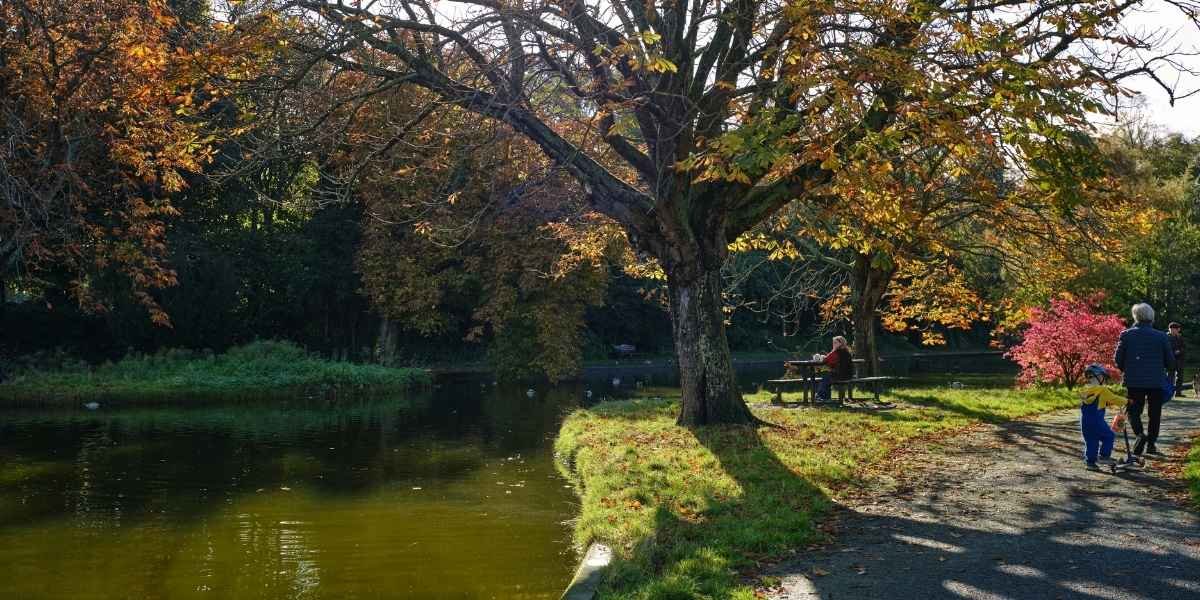






Portland parks system officials are exploring new partnerships with nonprofit groups, conservancies, and private donors as city leaders attempt to stabilize maintenance and operational services across public green spaces facing ongoing financial strain. The effort comes as Portland Parks & Recreation evaluates how outside support could help sustain park programming, landscaping, recreational facilities, and long-term upkeep amid mounting budget pressures.
City officials have acknowledged that existing funding levels are no longer sufficient to fully support the scale of Portland’s park network, which includes neighborhood parks, community centers, trails, sports fields, and natural areas spread throughout the city. Discussions involving private organizations have accelerated in recent months as municipal agencies continue reviewing service reductions, deferred maintenance projects, and staffing limitations tied to broader fiscal challenges.
Portland Parks & Recreation administrators said the city is examining models already used in other major metropolitan areas where nonprofit conservancies and private foundations contribute operational support for public park systems. The approach under consideration would not transfer ownership of parks to outside entities but could involve fundraising assistance, volunteer coordination, sponsorship programs, or direct investments in restoration and maintenance initiatives.
Funding Challenges Affect Daily Operations
The financial difficulties affecting Portland’s public spaces have developed over several years as maintenance costs, labor expenses, and infrastructure needs increased faster than available revenue sources. Parks officials have pointed to aging facilities, deteriorating pathways, irrigation problems, and delayed repair schedules as signs of growing operational stress across the system.
Budget documents presented during recent city discussions outlined concerns regarding the sustainability of current service levels. Maintenance crews have struggled to keep pace with repairs and landscape management requirements across hundreds of locations. Some recreation programs and seasonal activities have also faced staffing constraints tied to budget limitations.
The parks bureau has historically relied on a combination of local tax revenue, fees, permits, grants, and special levies to support operations. However, officials said those funding sources have become increasingly difficult to balance against rising expenditures associated with maintaining large urban park systems.
City leaders have also discussed the long-term costs associated with climate resilience projects, tree canopy preservation, and environmental restoration efforts throughout Portland’s parklands. Those responsibilities have expanded as the city addresses heat mitigation, stormwater management, and ecological conservation within public recreational spaces.
Maintenance backlogs have become a central issue in discussions surrounding the future of the bureau. Deferred projects can increase long-term repair costs, particularly for aging infrastructure such as playgrounds, community buildings, restrooms, athletic facilities, and paved pathways. Parks officials indicated that additional outside support could help address some of those needs more quickly than relying solely on annual municipal funding cycles.
Private Partnerships Already Exist in Limited Forms
Although Portland is now considering broader collaboration opportunities, the city already works with nonprofit organizations and community groups on several park-related initiatives. Friends groups, neighborhood associations, and volunteer organizations have historically supported cleanup projects, fundraising drives, and community events tied to specific parks and recreational facilities.
Some of Portland’s larger public spaces also receive support from nonprofit conservancies focused on horticulture, restoration, and programming. Those organizations often assist with volunteer management, educational activities, public events, and donor engagement while coordinating with city agencies responsible for oversight and operations.
Officials reviewing expanded partnership models said the city could build on those existing relationships rather than creating entirely new systems. Discussions have included whether philanthropic organizations could help fund capital improvement projects or support specialized maintenance efforts that currently exceed available city resources.
Municipal leaders have emphasized that public access would remain a priority under any future arrangement involving private assistance. Portland officials stated that parks would continue operating as public spaces governed by city regulations even if outside organizations contribute financial or operational support.
The city is also evaluating accountability measures that could accompany future partnerships. Oversight frameworks under discussion include reporting requirements, contractual agreements, and public transparency standards intended to define how outside funds would be used within the parks system.
Other Cities Have Expanded Conservancy Models
Portland officials examining outside support strategies have referenced examples from cities where nonprofit conservancies play significant roles in supporting urban parks. In some municipalities, private fundraising organizations have helped finance landscape improvements, public programming, maintenance staffing, and capital upgrades within major park systems.
Cities including New York, Chicago, and San Francisco have long-standing park conservancy structures that supplement government funding through donations, grants, memberships, and philanthropic campaigns. Those partnerships vary significantly depending on local governance structures and funding arrangements.
Urban planning specialists have noted that conservancy models can provide additional flexibility for fundraising and project implementation, particularly during periods of municipal budget pressure. However, such arrangements also require clear oversight structures to ensure public accountability and equitable resource distribution.
Portland’s parks leadership has not announced a finalized framework for future partnerships, and discussions remain ongoing regarding the scope and scale of potential private involvement. Officials said the city is reviewing multiple approaches while considering community feedback and operational priorities.
Public park systems across the United States have faced increasing financial pressure in recent years due to inflation, infrastructure deterioration, and growing demand for recreational services. Many cities expanded outdoor programming and park access initiatives following heightened public use of outdoor spaces during the COVID-19 pandemic, which placed additional stress on maintenance systems and staffing resources.
