


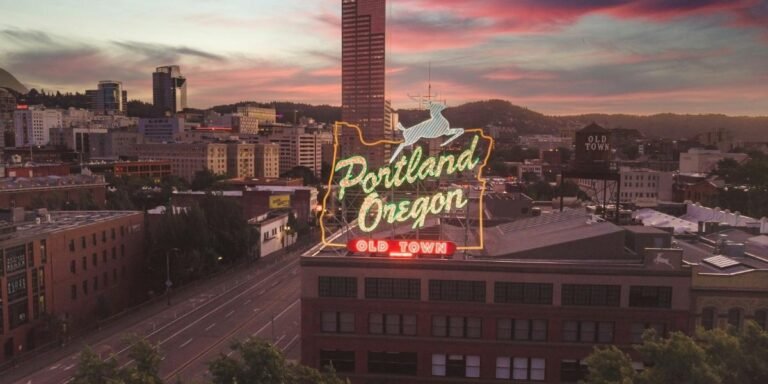





Hotel occupancy in Portland hasn’t bounced back the way many hoped. While other cities are seeing steady climbs, Portland’s numbers continue to hover below pre-pandemic levels, leaving hotel managers and tourism officials searching for answers. The city’s hospitality sector was hit hard during the pandemic, and despite the return of travel, conventions, and events, the pace of recovery has been slower than expected. Some properties have seen weekend spikes, especially during major concerts or festivals, but weekday bookings and extended stays remain inconsistent. That uneven pattern has made it difficult for hotels to plan staffing, pricing, and promotions with confidence.
It’s not just about empty rooms, it’s about the ripple effect those vacancies create across Portland’s economy. When hotel occupancy stays low, nearby restaurants, coffee shops, and retail stores lose foot traffic. Tour operators, venue staff, and even rideshare drivers feel the slowdown. Many of these businesses rely on a steady stream of visitors to stay afloat, and without consistent hotel bookings, that stream dries up. The city’s broader recovery depends on more than just tourism, it hinges on whether Portland can once again become a place where people want to stay, explore, and spend.
Downtown’s Quiet Nights Tell a Bigger Story
Walk through downtown on a weeknight and it’s hard not to notice the difference. Once-busy hotel lobbies feel quieter, and the buzz of out-of-town visitors has softened. Hotel occupancy rates in Portland have struggled to regain momentum, even as travel restrictions eased and events returned. Some properties are seeing modest gains, but the overall picture remains uneven.
Local hoteliers point to a mix of challenges. Business travel hasn’t fully returned, and leisure travelers are choosing shorter stays or alternative accommodations. The ripple effect hits restaurants, shops, and venues that rely on hotel guests to fill seats and spend money.
Why Portland’s Recovery Isn’t Matching Other Cities
Portland’s hotel occupancy recovery has lagged behind other major cities, and the reasons aren’t just about numbers. Cities like Seattle and Denver have benefited from a faster return of convention traffic and business travel, while Portland’s event calendar remains lighter and more fragmented. Some large-scale gatherings have returned, but not at full strength, and hybrid formats have reduced the need for overnight stays. Without consistent demand from conferences and corporate bookings, many hotels are left relying on weekend leisure traffic, which hasn’t been enough to fill the gap.
Travelers’ habits have also shifted. Portland’s reputation as a laid-back, creative destination still draws interest, but some visitors are choosing shorter trips or skipping hotel stays altogether. The rise of alternative accommodations and flexible work schedules means people can visit without committing to traditional lodging. Others are opting for more intentional, tech-free experiences, like those who prefer to travel without a smartphone, which often involve fewer nights booked and more time spent off the grid. These changes reflect a broader trend in how people engage with cities, especially ones known for their slower pace and natural beauty.

Photo Credit: Unsplash.com
Perception also plays a role. Portland has faced challenges around safety, cleanliness, and downtown vibrancy, which can influence booking decisions. While many neighborhoods remain lively and welcoming, some visitors hesitate to stay overnight in central areas. That hesitation affects occupancy rates, especially for hotels that rely on walkable access to restaurants, galleries, and nightlife. Local tourism efforts have worked to counter these concerns, but rebuilding trust takes time, and consistent positive experiences.
Despite the hurdles, there’s movement toward recovery. Some hotels are pivoting to attract locals through wellness packages and staycation deals. The idea of a Portland staycation focused on unplugging and finding calm has gained traction, offering residents a chance to recharge without leaving town. These efforts may not match the volume of traditional tourism, but they reflect a creative response to changing travel behavior. Portland’s path to full recovery may be slower, but it’s rooted in the city’s unique character, and that’s something worth building on.
Local Businesses Feel the Impact
The drop in hotel occupancy doesn’t just affect hotel staff. It’s felt by nearby coffee shops, tour guides, and even rideshare drivers. When fewer guests check in, fewer dollars circulate through the local economy. Some businesses have adapted by targeting locals instead, offering staycation packages or wellness-focused experiences that don’t rely on out-of-town traffic.
One Portland hotel recently partnered with wellness providers to offer unplugged retreats, tapping into the growing interest in calm, tech-free escapes. It’s part of a broader shift toward attracting residents who want a break without leaving the city. That’s where the idea of a Portland staycation focused on unplugging and finding calm has gained traction, giving locals a reason to check in, even if they’re just a few miles from home.
Events Are Back, But Not at Full Strength
Concerts, festivals, and conventions are slowly returning, but they’re not yet driving hotel occupancy the way they used to. Some events are smaller, others are hybrid, and many travelers are still hesitant to commit to multi-day stays. That hesitation shows up in booking data, with shorter lead times and more last-minute cancellations.
Hotels near popular venues like the Moda Center or Keller Auditorium are seeing some lift during major shows, but it’s inconsistent. The city’s tourism board has ramped up efforts to promote Portland as a destination, yet the results are mixed. Travelers are curious, but not always convinced to stay overnight.
What’s Next for Portland’s Hotel Scene?
Recovery will take time, and creativity. Portland’s hotel occupancy challenges aren’t unique, but they’re deeply tied to how the city is perceived and experienced. Local leaders are exploring new ways to attract visitors, from wellness weekends to tech-free travel guides that encourage longer, more intentional stays.
Some travelers are already embracing the idea of visiting Portland without relying on their phones, choosing to explore neighborhoods like Alberta Arts District or Sellwood with a slower, more mindful pace. That shift could help hotels reframe what a “stay” looks like, not just a room, but a curated experience.
Still, the numbers matter. Until hotel occupancy climbs, many Portland businesses will continue to feel the strain. The city’s charm hasn’t faded, but getting guests to check in, and stay awhile, remains a work in progress.
