

Toxic Algae Bloom Raises Concerns in Portland’s Willamette River

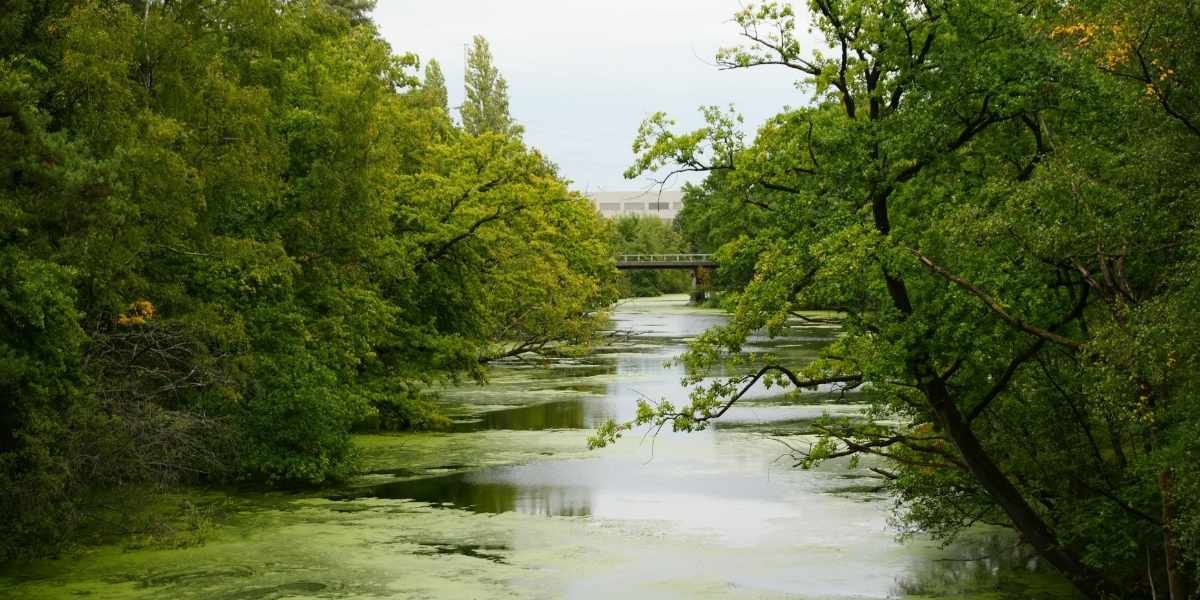
An unusually intense cyanobacteria bloom in Portland’s Ross Island Lagoon has spread into the Willamette River, prompting scientists and state officials to examine water conditions. Oregon State University researchers are monitoring the bloom, while water-quality authorities have collected samples and public warnings have affected river recreation.
Key Takeaways
- A severe cyanobacteria bloom has developed in Ross Island Lagoon in Portland.
- Scientists described the current conditions as unusually intense based on their observations.
- The bloom has spread from the lagoon into portions of the Willamette River.
- Oregon environmental officials collected water samples for testing.
- Portland officials posted water-quality warnings at several river locations.
Severe Cyanobacteria Growth Develops in Ross Island Lagoon
Ross Island Lagoon in Portland is experiencing a severe cyanobacteria bloom that has drawn the attention of Oregon State University researchers and state water-quality officials. The concentration and extent of the growth have prompted scientists to examine conditions in the lagoon and nearby portions of the Willamette River.
Cyanobacteria are organisms that can form visible blooms in bodies of water. Some cyanobacteria can produce toxins, making water-quality testing important when substantial blooms develop.
The conditions at Ross Island Lagoon have been described by scientists monitoring the site as unusually intense. Oregon State University researchers have been examining the water as the bloom has developed.
The lagoon is connected to the Willamette River, allowing the cyanobacteria to extend beyond the immediate lagoon area. That spread has made the condition relevant to people using the river for recreation as well as officials responsible for monitoring water quality.
The current bloom is centered on Ross Island Lagoon, an area within Portland’s Willamette River system. The development has prompted attention from multiple agencies and researchers because conditions in the lagoon can affect nearby river waters.
Scientists Monitor Unusually Intense Water Conditions
Oregon State University researchers are among those examining the Ross Island bloom. Their observations indicate that the current conditions are substantially more intense than what they have previously observed at the site.
Researchers have described the bloom as the most severe they have seen at the lagoon during their period of sampling. The observation provides a basis for continued monitoring as officials determine the characteristics and extent of the bloom.
Water conditions can change as cyanobacteria grow, move and disperse through connected waterways. Monitoring therefore provides information needed to determine whether the bloom remains concentrated in the lagoon or affects additional areas of the Willamette River.
Scientists are also examining environmental conditions associated with the bloom. The reported conditions include unusually warm water, low river levels and early warming of the river.
Factors such as water temperature and river levels can affect conditions for cyanobacterial growth. Researchers are examining those conditions as part of their monitoring of the unusually intense bloom.
A silt curtain installed near Ross Island has also drawn attention during the investigation. The Oregon Department of Environmental Quality has not determined whether the structure contributed to the intensity of the bloom.
The curtain was installed by Ross Island Sand & Gravel in late July. Its purpose was to contain cyanobacteria, while officials have been examining the relationship between water movement and the conditions in the lagoon.
Algae Bloom Spreads Into the Willamette River
The Ross Island toxic algae bloom is not confined to the lagoon. Cyanobacteria have spread into portions of the Willamette River, extending the water-quality concern beyond the immediate Ross Island area.
The spread matters for recreational users because the Willamette is used for activities on and around the water. Portland’s river system also supports kayaking, paddleboarding and other outdoor activities, as described in coverage of Oregon river recreation activities.
Portland officials have responded by placing water-quality warning signs at several river locations. The warnings provide information to people who may encounter affected water.
The presence of cyanobacteria does not by itself establish that every part of the Willamette River has the same conditions. Water testing is needed to determine the characteristics of the bloom and whether toxins are present at levels requiring additional health guidance.
That testing is particularly relevant because cyanobacteria can produce toxins under certain conditions. The results can help officials determine the appropriate public-health response to the bloom.
The affected area also has significance for Portland’s river recreation. People who use the Willamette for boating or other water activities can encounter changing water conditions as blooms move through connected waterways.
State Officials Collect Samples for Water-Quality Testing
The Oregon Department of Environmental Quality has collected water samples from the affected area for analysis. The testing is intended to provide additional information about the cyanobacteria present in the water and the associated water-quality conditions.
The Oregon Health Authority is expected to review the testing results for possible health guidance. That review is separate from the scientific monitoring being conducted by Oregon State University researchers.
Water testing provides officials with information that cannot be established through visual observation alone. A visible bloom can indicate substantial cyanobacterial growth, but laboratory analysis is needed to determine whether toxins are present.
The Oregon Department of Environmental Quality has also examined the possible role of the silt curtain near Ross Island. The agency has not determined whether the structure contributed to the bloom’s intensity.
The investigation therefore includes both water-quality testing and assessment of the physical conditions around the lagoon. Those efforts can help officials understand the extent of the bloom and determine appropriate public guidance.
The findings are also relevant to decisions involving recreation. Health guidance can depend on test results, including information about whether harmful substances are present in affected water.
The water-quality issue also fits within Portland’s broader municipal focus on water and environmental conditions. Earlier reporting on Portland water supply conditions examined how river and water-resource conditions are monitored by local and regional officials.
For Portland residents, the testing provides the basis for official water-quality information while scientists continue to observe the bloom. The results can also help distinguish localized lagoon conditions from impacts farther along the Willamette River.
Portland Recreation Faces Water-Quality Warnings
Portland Parks & Recreation has posted water-quality warning signs at several river locations following concerns about the cyanobacteria bloom. The warnings are intended to alert people using affected areas of the Willamette River.
River recreation has been directly affected, with river-based events canceled because of concerns about people, pets and the ecosystem. The cancellations show the immediate effect of the water-quality issue on scheduled activities.

Photo Credit: Unsplash.com
The situation also affects visitors and residents who use Portland’s riverfront for outdoor recreation. People may encounter warning signs at locations where officials have identified water-quality concerns.
Portland’s riverfront is also part of the city’s wider outdoor recreation environment, with local waterways used for paddling and other activities. That makes current water-quality information relevant to residents planning activities on the Willamette.
The Ross Island Lagoon bloom has therefore become both a scientific monitoring issue and a public water-quality matter. Researchers are studying the unusually intense growth, while state and local officials are testing water and providing warnings at affected recreation areas.
The Oregon Department of Environmental Quality’s testing and the Oregon Health Authority’s review are expected to provide additional information for public-health guidance. Until those assessments are available, Portland officials are maintaining warnings at locations affected by the water-quality concerns.
Frequently Asked Questions
What is happening with the Ross Island algae bloom?
A severe cyanobacteria bloom has developed in Ross Island Lagoon in Portland. Scientists are monitoring the unusually intense growth, while officials are testing water from the affected area.
Is the Ross Island toxic algae bloom affecting the Willamette River?
Yes. Cyanobacteria from the lagoon have spread into portions of the Willamette River. Portland officials have posted water-quality warning signs at several river locations.
Is it safe to recreate near Ross Island Lagoon?
Water-quality warnings have been posted at several affected river locations, and some river-based events have been canceled because of health and ecosystem concerns. Testing is being used to provide additional information about the affected water.
Which agencies are testing the Portland water?
The Oregon Department of Environmental Quality has collected water samples for testing. The Oregon Health Authority is expected to review the results for possible health guidance, while Oregon State University researchers are monitoring the bloom.
What causes cyanobacteria blooms in Oregon waterways?
The conditions reported at Ross Island include warm water and low river levels, which can support cyanobacterial growth. Researchers are examining those conditions as part of their monitoring of the bloom.