Oregon Gas Tax Rejection Leaves Portland Road Funding Uncertain

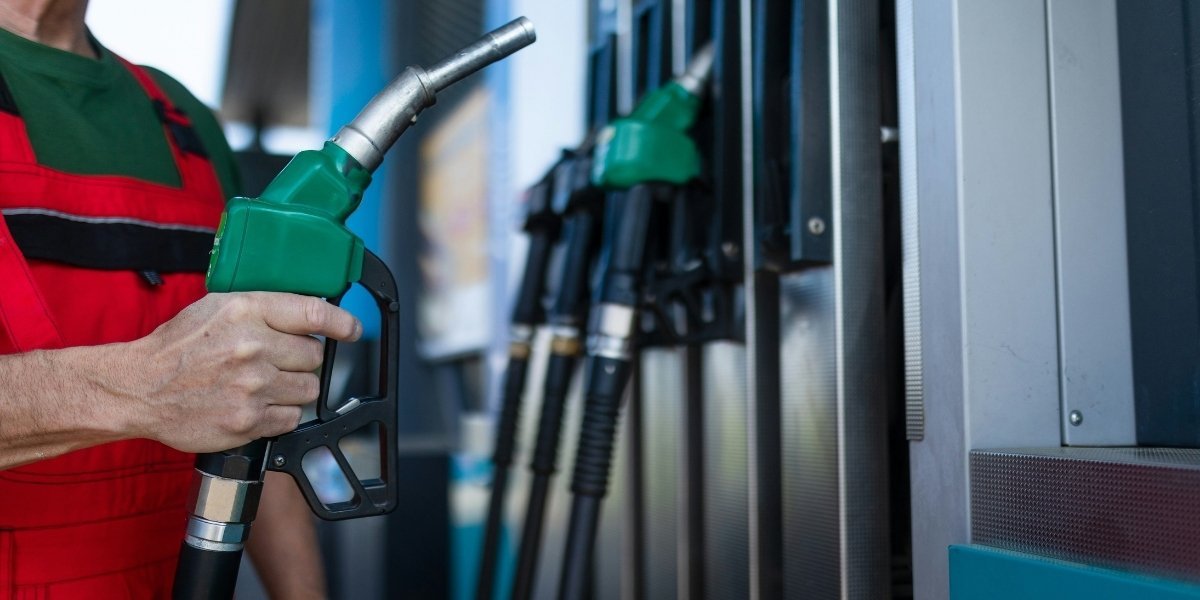
Oregon’s rejection of Measure 120 has pushed Portland’s street funding problem back into sharp focus, leaving city officials with fewer near-term options as road repairs, bridge needs and basic maintenance continue to compete for limited money.
The measure, rejected by voters in the May 19, 2026 primary, would have raised the state fuel tax, vehicle registration fees and title fees. It also included changes tied to electric and hybrid vehicles and a temporary payroll tax connected to public transportation support. With the measure failing, those added revenue sources will not move forward.
For Portland, the result comes at a difficult point. The Portland Bureau of Transportation had already warned that state-level uncertainty could affect tens of millions of dollars in expected support across the current and next budget cycles. City transportation officials have described the funding gap as part of a larger problem shaped by lower fuel tax purchasing power, slower parking revenue recovery and rising maintenance costs.
The city’s road network, bridges, sidewalks, signals and streetlights require steady maintenance to avoid higher repair costs later. Portland officials have said many of those needs have already been delayed, reduced or left without a clear funding source. The rejection of the gas tax package does not create the full problem, but it removes one possible path the city had been watching closely.
What Measure 120 Would Have Changed
Measure 120 asked Oregon voters whether to keep parts of a transportation funding package passed during a 2025 special session. The proposal would have raised the state fuel tax to 46 cents per gallon and increased several vehicle-related fees.
The official explanatory materials said passenger vehicle registration fees would have increased by $42, while title fees for passenger vehicles would have risen by $139. Electric vehicle and hybrid owners would have been required to choose between a flat fee or a per-mile fee, reflecting the state’s concern that fuel tax revenue has become less steady as vehicles use less gasoline.
Revenue from the package would have been divided among the Oregon Department of Transportation, counties and cities. Smaller cities and counties were expected to receive a larger share than they currently receive under existing formulas.
The proposal drew attention because it connected several transportation problems into one package: state highway maintenance, local street needs, transit support and the changing relationship between vehicle use and fuel taxes.
Its rejection means Oregon will continue under the existing structure for now. That leaves local governments such as Portland facing the same cost pressures without the additional state-backed revenue the measure would have generated.
Portland’s Street Backlog Was Already Growing
Portland’s transportation budget was under pressure before the statewide vote. PBOT has said its maintenance backlog is about $6 billion, a figure that reflects the cost of repairing and maintaining streets, bridges and related infrastructure across the city.
The bureau has also said it cut more than $42 million in expenses backed by General Transportation Revenue between fiscal years 2020 and 2025. To keep services operating, the bureau reported using reserves and borrowing from other fund balances. Those short-term steps helped delay deeper service reductions, but they did not solve the core funding issue.
City budget documents show the pressure in practical terms. PBOT has said reduced funding has cut the paving program in half. Residential street sweeping was ended. Some traffic calming requests have slowed. Downtown ornamental streetlights have lacked repair funding. Ongoing money for bridge repair and rehabilitation remains limited.
These are not abstract budget items. Paving delays can leave streets in worse condition. Streetlight repairs can affect visibility. Traffic calming backlogs can slow neighborhood safety improvements. Bridge work can become more expensive when repairs are deferred.
Portland’s street system also carries pressures that differ from state highways. The city must handle neighborhood streets, freight routes, bike lanes, sidewalks, signals, curb ramps, streetlights and bridges. Each asset type has its own maintenance schedule and cost.
City officials have said the financial strain comes from several directions at once. Fuel tax revenue has weakened as vehicles have become more efficient. Parking revenue has not returned to earlier levels. Labor and material costs have risen. Emergency response needs continue. Federal grants are competitive and often cannot be used for everyday operations such as routine paving or pothole repair.
Local Fee Proposal Gains New Attention After the Vote
With the state gas tax package rejected, Portland’s local funding debate is likely to receive renewed attention. One option already under discussion is a monthly transportation utility fee for residents and businesses.
Reports on the proposal said it could raise about $47 million a year for PBOT. Under the version discussed publicly, a single-family homeowner would pay about $144 annually. Apartment owners would pay a lower amount per unit, while commercial properties would pay based on a separate structure.
The fee has been presented as a possible way to stabilize basic transportation services, not as a full answer to Portland’s multibillion-dollar backlog. Even if adopted, it would cover only part of the city’s street maintenance needs.
That distinction matters. Portland is not simply trying to pay for new projects. A major part of the discussion is about keeping the existing system from deteriorating faster. Paving, bridge upkeep, traffic signals, lighting and street cleaning all require recurring money.