

Portland Sees Spike in E‑Scooter Injuries as Oregon Data Shows Rising Risk

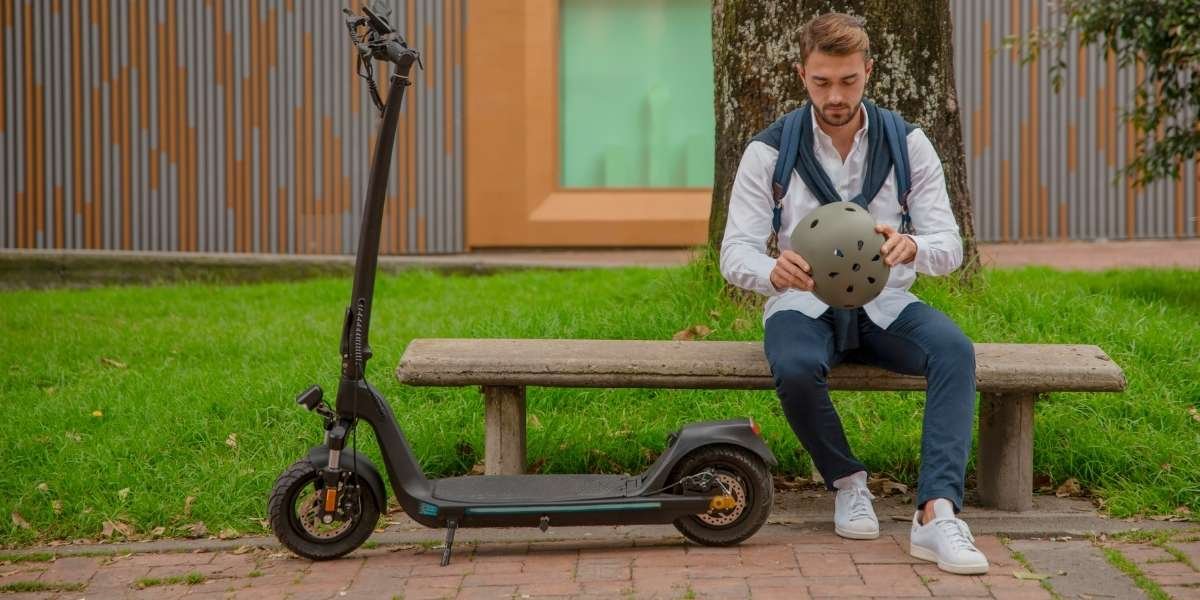
Portland is witnessing a noticeable rise in e-scooter injuries, as more people turn to shared electric scooters for short commutes. According to recent Oregon health data, emergency rooms have seen an increase in cases related to scooter accidents. While scooters remain a convenient and eco-friendly transportation option, the rise in accidents has raised concerns about rider safety, particularly as shared scooter programs continue to expand across Portland’s urban core.
Healthcare professionals in Portland report that a significant number of the injuries are linked to common hazards such as uneven pavement, busy intersections, and crowded streets. As the popularity of e-scooters grows, so too does the frequency of accidents, with many riders involved in incidents while navigating through the city’s dense traffic or dealing with road conditions that pose additional risks.
Data Highlights Rising Risk of E-Scooter Injuries
Recent statewide data compiled by Oregon health officials underscores the growing risk associated with e-scooter usage. While these injuries have been steadily increasing over the past few years, Portland accounts for a substantial portion of the state’s reported cases. The trend reflects the city’s high ridership and the rapid expansion of its scooter network, as more residents and visitors opt for this form of transportation.
Although younger riders are often reported as the most frequent victims of these accidents, data also suggests that people from a variety of age groups, including middle-aged and older adults, are increasingly being treated for e-scooter-related injuries. Helmet use remains a significant factor in the severity of these injuries, with many riders choosing not to wear helmets despite safety recommendations. Health officials point out that inadequate protective gear, combined with traffic risks, often leads to more serious accidents.
Inconsistent Helmet Use and the Role of Rider Behavior
Despite public safety campaigns encouraging helmet use, many e-scooter riders in Portland continue to ride without one. While specific data on helmet use remains limited, health professionals continue to stress the importance of wearing helmets to reduce the risk of head injuries, especially given the rising number of trauma cases linked to scooters.
Though helmets are widely available, their inconsistent use is seen as a contributing factor to the growing severity of e-scooter injuries. As more data becomes available, health experts are hopeful that a combination of increased rider education and public awareness campaigns will encourage more users to prioritize their safety by wearing helmets, which can significantly reduce the risk of life-threatening injuries.
Portland’s Infrastructure Poses Challenges for E-Scooter Riders
Portland’s infrastructure, while designed to support cyclists, presents unique challenges for e-scooter riders. Though bike lanes and shared paths exist, these are not always suitable for e-scooter use. The smaller wheels and lighter frames of e-scooters make them particularly vulnerable to road hazards such as uneven pavement, potholes, and poorly maintained surfaces.
Moreover, the city’s construction zones, which can obstruct bike lanes or create hazardous conditions, contribute to the increased risk of accidents. While Portland’s streets are continuously evolving to accommodate various forms of transportation, infrastructure improvements such as smoother surfaces, dedicated lanes for e-scooters, and better lighting in high-traffic areas may be necessary to reduce accident rates. As e-scooters become an increasingly common sight on the streets, the need for citywide adjustments to accommodate them is becoming more apparent.
Businesses and Scooter Operators Respond to Growing Safety Concerns
As the number of injuries continues to rise, scooter operators in Portland and beyond are faced with the challenge of maintaining safety while providing convenient transportation options. Companies that offer shared e-scooter services must balance the accessibility of their vehicles with the safety of their riders. In response to rising concerns, operators are looking at ways to improve their services by offering safety features such as helmets, clearer rider instructions, and additional safety tips.
However, operational costs could increase as scooter companies adjust their services to meet safety standards. While some providers have already initiated campaigns to educate riders about safe practices, the cost of implementing safety measures, such as better maintenance protocols and rider education programs, may continue to rise. In addition, liability concerns are growing for scooter providers, as they may face legal and financial consequences from accidents that occur while riders are using their services.
Community Efforts to Raise Awareness and Encourage Safe Riding
In response to the increase in e-scooter injuries, local advocacy groups, healthcare professionals, and city officials are working together to raise awareness about safe riding practices. Public campaigns emphasize the importance of wearing helmets, following traffic rules, and avoiding risky behaviors such as riding under the influence or carrying passengers.
Additionally, city leaders are exploring the potential for additional safety regulations to ensure that e-scooters remain a safe mode of transportation. These efforts are not only focused on individual responsibility but also on improving the broader infrastructure to support scooter use in a safe and sustainable manner. Community discussions continue to highlight the importance of collaboration between riders, scooter providers, and city officials to address safety concerns and reduce injury rates.
