When to See a Retina Specialist to Protect Your Vision

Your vision is one of your most valuable senses, yet many people delay seeking care when something suddenly changes. While some eye issues are minor and temporary, others can signal a serious retinal emergency that requires immediate medical attention. Understanding the warning signs — and acting quickly — can make the difference between preserving your sight and experiencing permanent vision loss.
If you are experiencing concerning symptoms, a qualified retina specialist in Las Vegas whom patients trust can provide urgent evaluation and treatment to protect your vision.
Understanding the Retina and Why It’s So Important
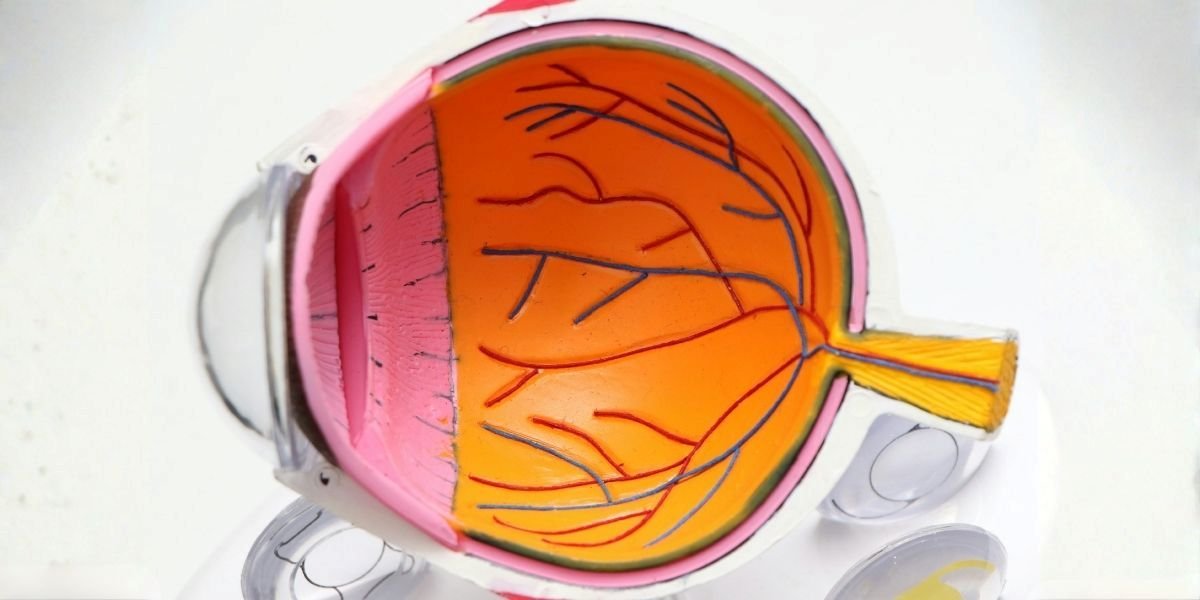
The retina is the thin layer of light-sensitive tissue at the back of your eye. It converts light into electrical signals that travel to the brain, allowing you to see. When the retina becomes damaged, torn, or detached, vision can be significantly affected — sometimes permanently.
Retinal problems often progress quickly. That’s why recognizing the symptoms of a retinal emergency is critical.
Warning Signs You Should Never Ignore
Certain symptoms should always be treated as urgent. If you experience any of the following, you should see a retina specialist immediately:
- Sudden onset of floaters
- Flashes of light
- Distorted or blurry vision
- Loss of peripheral (side) vision
- A dark curtain or shadow across your sight
- Sudden vision loss
- Vision changes after trauma
- New difficulty focusing
Let’s break these down so you understand why they’re serious.
Sudden Floaters
Floaters are small shapes, specks, or cobweb-like strands that drift across your field of vision. While occasional floaters are common and often harmless, a sudden shower of new floaters can indicate a retinal tear or detachment.
This happens when the vitreous gel inside the eye pulls away from the retina, sometimes creating a tear. If untreated, fluid can pass through the tear and lift the retina off the back of the eye — a condition known as retinal detachment.
If you suddenly notice many new floaters, contact a retina specialist immediately.
Flashes of Light
Flashes of light, especially in your peripheral vision, may feel like brief lightning streaks or camera flashes. These flashes can occur when the vitreous gel tugs on the retina.
Persistent or sudden flashes are a major red flag for retinal tears. When combined with floaters, the urgency increases significantly.
Distorted or Blurry Vision
If straight lines begin to look wavy or objects appear distorted, this may signal macular involvement. The macula is the central part of the retina responsible for detailed vision.
Blurred or distorted vision can be associated with conditions such as:
- Macular holes
- Retinal swelling
- Retinal detachment
- Bleeding inside the eye
Any sudden distortion warrants prompt evaluation.
Loss of Peripheral Vision
Peripheral vision allows you to see objects to the side without turning your head. Losing side vision can feel subtle at first — like something is missing from the edge of your sight.
Peripheral vision loss is often associated with retinal detachment. The retina may begin separating from the outer edges inward, which is why side vision is affected first.
This symptom should never be ignored.
A Dark Curtain Across Your Vision
One of the most serious warning signs of retinal detachment is the sensation of a shadow, curtain, or veil moving across your field of vision. This shadow may start small and gradually expand.
If you experience this, seek immediate medical attention. Time is critical. The longer the retina remains detached, the greater the risk of permanent vision loss.
Sudden Vision Loss
Any sudden decrease in vision — whether partial or complete — is an emergency. Sudden vision loss may be caused by:
- Retinal detachment
- Retinal artery or vein blockage
- Severe bleeding
- Advanced macular disease
Even if vision partially returns, you should still be evaluated urgently.
Vision Changes After Trauma
Eye injuries from sports, falls, or accidents can damage the retina. Trauma can lead to:
- Retinal tears
- Internal bleeding
- Swelling
- Retinal detachment
Sometimes symptoms appear hours or days after the injury. If you notice new visual disturbances following trauma, contact a retina specialist immediately.
New Difficulty Focusing
Sudden difficulty focusing or unexplained changes in visual clarity may indicate retinal swelling, fluid buildup, or macular problems.
While some focusing issues are related to refractive changes (like needing new glasses), a sudden onset should always be evaluated by a specialist.
Why Acting Quickly Matters
Retinal conditions are highly time-sensitive. In many cases, early treatment can prevent severe damage.
However, delaying care may lead to permanent visual impairment.
If you’re unsure whether your symptoms are serious, it’s always better to err on the side of caution and consult a retina specialist whom patients in Las Vegas rely on for urgent care.
Who Is at Higher Risk for Retinal Emergencies?
Some individuals have a greater risk of retinal problems, including:
- People with high nearsightedness (myopia)
- Diabetics
- Individuals with a family history of retinal detachment
- Those who’ve had previous eye surgery
- Adults over age 50
- Anyone who has experienced recent eye trauma
If you fall into one of these categories, you should be especially vigilant about new symptoms.
What to Expect During an Emergency Visit
When you visit a retina specialist for urgent symptoms, you can expect:
- A detailed medical and symptom history
- A comprehensive dilated eye exam
- Advanced imaging, such as optical coherence tomography (OCT)
- Retinal photography or ultrasound, if needed
These tests allow the specialist to examine the retina thoroughly and determine the appropriate treatment plan.
Many retinal procedures can be performed in-office, minimizing delays in care.
Protect Your Vision
It’s easy to dismiss subtle visual changes, especially if they seem minor at first. But retinal emergencies can escalate quickly.
If you experience sudden floaters, flashes of light, distorted or blurry vision, loss of peripheral vision, or a dark curtain across your sight, you should see a retina specialist right away. Sudden vision loss, vision changes after trauma, or new difficulty focusing are also signs of a possible retinal emergency.
If you notice any of these symptoms, please call us immediately to schedule a same-day or same-week appointment. Prompt care from a trusted retina specialist in Las Vegas can make all the difference in preserving your sight.
Your vision is too important to risk. When in doubt, seek immediate evaluation — because early action saves vision.
Disclaimer: The information provided in this article is for educational and informational purposes only and is not intended as medical advice. If you are experiencing any of the described symptoms, please consult a qualified healthcare professional or a retina specialist immediately for an accurate diagnosis and appropriate treatment.