

Oregon Declares Measles Outbreak as Vaccination Rates Decline

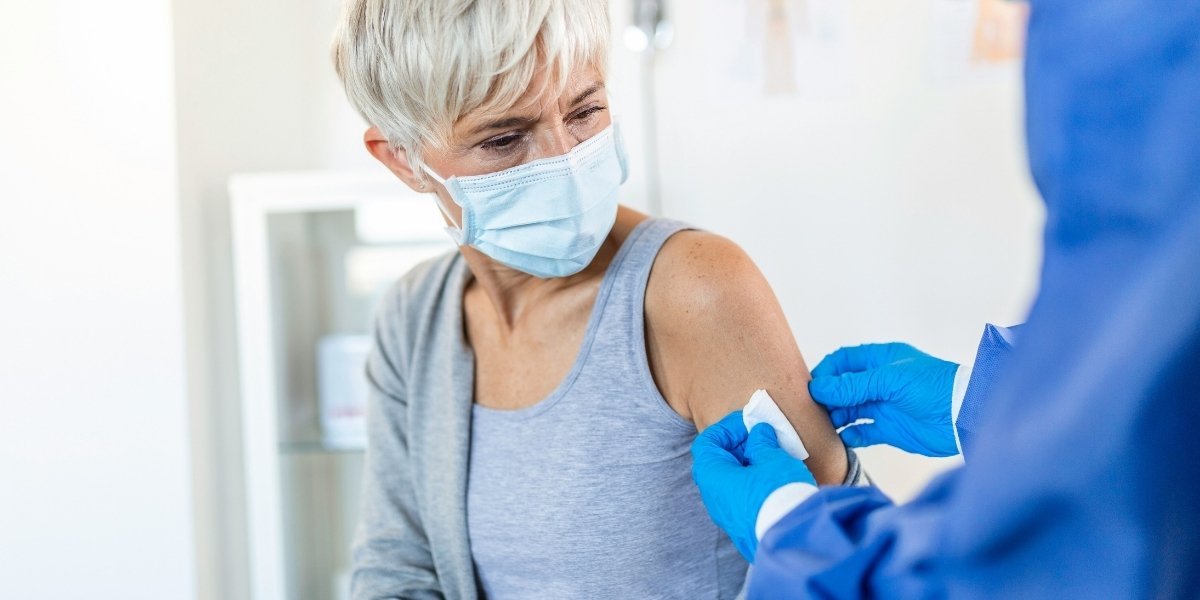
Oregon health officials have formally declared a measles outbreak after confirming five cases across the state in early 2026. According to the Oregon Health Authority (OHA), four of the confirmed cases involved unvaccinated individuals, while the vaccination status of the fifth case remains unknown. No hospitalizations or deaths have been reported so far, but health authorities are closely monitoring the situation, citing the highly contagious nature of measles.
The announcement comes as the state introduces a new wastewater surveillance system, which has detected traces of the measles virus in multiple counties. This early detection method has raised concerns that the virus may be circulating more widely than the official case count suggests.
Wastewater Surveillance Detects Measles in Multiple Counties
Wastewater surveillance has become a critical tool in Oregon’s public health strategy. Health officials have reported measles signals in wastewater samples from six counties, including Multnomah County, home to Portland. The findings suggest the virus is circulating in communities, potentially affecting more individuals than the confirmed cases alone indicate.
Wastewater monitoring has proven valuable as an early-warning system, helping health departments identify emerging outbreaks before they escalate. The OHA’s dashboard updates regularly, providing transparency and up-to-date information on viral activity statewide.
In Multnomah County, the detection of measles signals in wastewater is particularly concerning, as it is the most populous county in Oregon and includes Portland, a major urban center. This area has seen numerous public health challenges, including other infectious disease outbreaks. Local health officials have urged residents to stay vigilant and take preventive measures, such as ensuring vaccinations are up to date.
Wastewater monitoring is a relatively new tool in public health surveillance, but it is increasingly being recognized for its potential to detect viruses in the community before they cause widespread illness. By analyzing wastewater from treatment plants, public health officials can track pathogens like measles, even in the absence of confirmed cases, which can take time to report.
Vaccination Rates in Oregon Under Scrutiny
Oregon’s measles outbreak highlights a concerning decline in vaccination rates. State data shows that measles, mumps, and rubella (MMR) vaccination coverage among kindergarteners has fallen below the 95 percent threshold recommended by the Centers for Disease Control and Prevention (CDC) to maintain herd immunity. Recent reports indicate that vaccination rates are currently around 92 percent, leaving communities more vulnerable to outbreaks.
Health officials have emphasized the importance of vaccination in preventing measles, a preventable disease that can lead to severe complications. With school vaccination deadlines approaching, local clinics and public health officials are urging families to ensure that their children are up to date on immunizations.
The decline in vaccination rates has been a longstanding issue in Oregon, with certain regions experiencing lower vaccination rates than others. This has led to increased concern among public health experts, who fear that without timely intervention, measles outbreaks could become more frequent and harder to control.
Public health leaders are encouraging Oregonians to consult with their healthcare providers to ensure that they and their children receive the necessary vaccinations. The measles vaccine is safe and effective, and health officials continue to advocate for its importance in preventing the spread of the disease.
Schools and Families Respond to the Outbreak
Schools in Multnomah County and other affected regions are preparing to enforce stricter vaccination requirements. Oregon law mandates that students meet immunization standards or provide valid exemptions. As the outbreak continues, school administrators are working closely with local health departments to ensure compliance and reduce the risk of in-school transmission.
Families have expressed concern about the outbreak’s timing, especially as children return from winter breaks and participate in group activities. Local clinics have reported an increase in inquiries about vaccine availability, and community organizations are stepping up efforts to encourage immunization.
Health officials have emphasized that while school vaccination requirements are important, the responsibility also lies with individual families to ensure their children are protected from preventable diseases. The rising concern about measles outbreaks has prompted schools to communicate more frequently with parents about the importance of vaccinations and the potential consequences of falling behind on immunization schedules.
In addition to vaccinations, health officials recommend that parents keep an eye on any symptoms of measles, such as fever, cough, runny nose, and a rash. Early detection and treatment can help prevent the spread of the virus and protect vulnerable individuals who may be at higher risk for complications.
Public Health Messaging Amplifies Amid Rising Concerns
The Oregon Health Authority and Oregon Health & Science University (OHSU) have intensified their public health messaging in response to the measles outbreak. Officials are stressing the importance of vaccination, early detection, and community awareness. Dr. Howard Chiou, OHA’s Director of Communicable Disease and Immunization, emphasized that even a handful of cases can signal broader transmission due to the rapid spread of measles in unvaccinated populations.
Public health campaigns are focusing on clear communication to encourage residents to check their vaccination records and seek medical advice if they experience symptoms such as fever, cough, or a rash. Health officials continue to emphasize the need for vigilance, especially in urban areas where population density increases the risk of transmission.
In addition to standard messaging, the OHA has launched targeted campaigns in schools and local clinics to reach families who may be unaware of the vaccination requirements. These outreach efforts aim to educate the public on the importance of immunization, particularly in the wake of rising concerns about measles and other vaccine-preventable diseases.
While public health leaders work to control the outbreak, they are also preparing for the possibility of more cases emerging in the coming weeks. The combination of increased public awareness, improved vaccination rates, and continued surveillance will be crucial in containing the outbreak and preventing further spread.
Disclaimer:
The information presented in this article is based on publicly available data from official health authorities, including the Oregon Health Authority, and other credible sources. The situation may evolve over time, and individuals are encouraged to consult with healthcare professionals for personalized guidance and updates on vaccination schedules and public health measures.