

Tsunami Shelter Construction in Oregon Faces FEMA Funding Cuts

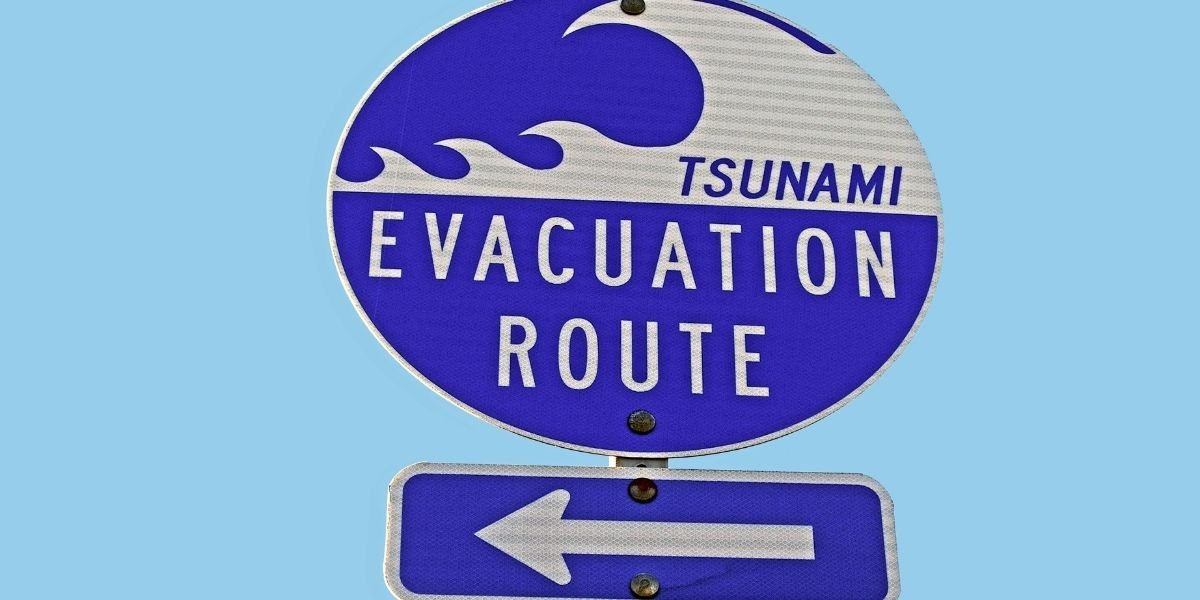
On the Oregon coast, Columbia Memorial Hospital is pushing forward with the construction of a tsunami shelter capable of holding nearly 2,000 people, despite recent challenges with funding. The hospital began the project after securing a $14 million federal grant to address the urgent need for disaster preparedness, particularly in light of the looming threat of a Cascadia subduction zone earthquake and tsunami. These seismic events are expected to devastate coastal communities, making the project not just a building, but a critical lifeline for residents in Astoria and surrounding towns.
The urgency surrounding the shelter’s construction is tied directly to the vulnerability of the hospital’s existing facility, which is housed in an outdated, wood-frame structure. Experts have long warned that this building would likely collapse in the event of an earthquake or tsunami, leaving the community exposed to significant risk. With the recent FEMA funding cuts, the hospital’s leadership made the decision to press forward with the project, citing the critical need to act swiftly in order to protect lives.
This decision reflects a broader tension between local needs for immediate disaster preparedness and the shifting priorities of federal agencies. For the residents of Astoria, the tsunami shelter represents more than just infrastructure, it symbolizes safety, security, and the community’s resilience in the face of nature’s unpredictable forces.
The Design and Purpose of the Tsunami Shelter
The new hospital facility is being designed with disaster resilience as its core function. Elevated on reinforced columns and anchored deep into the ground, the tsunami shelter is engineered to withstand flooding, landslides, and seismic shocks. This strategic design aims to ensure that 2,000 people—patients, hospital staff, and community members—can find refuge during a catastrophic event.
While the primary function of the facility is to serve as a hospital, its dual role as a tsunami shelter highlights how essential infrastructure can serve multiple purposes in times of need. The shelter isn’t just a place for medical care; it’s a safe haven where the community can find protection during a major disaster. This multi-functional approach to building design underscores the growing understanding of how healthcare and emergency preparedness must be integrated into one cohesive system.
The shelter also represents a forward-thinking approach to disaster preparedness in coastal communities. By integrating the concept of disaster relief into everyday infrastructure, the hospital sets an example of how communities can proactively respond to the threat of natural disasters, without waiting for larger, often delayed, government solutions.
FEMA Funding Cuts and the Local Response
The federal funding originally allocated to the tsunami shelter project was withdrawn by FEMA, which cited inefficiencies in the program and redirected resources to other priorities. Despite the setback, Columbia Memorial Hospital’s leadership decided to continue with the project, arguing that halting construction would put the community in unnecessary danger. The hospital’s administrators emphasized that delaying the project could result in catastrophic consequences for residents, especially given the unpredictable timing of seismic events.
This funding dispute underscores the challenges faced by local leaders when federal resources are redirected or cut. For hospital officials, the decision to continue with construction, despite the financial uncertainty, was rooted in the immediate need for a disaster-resilient facility. Their persistence highlights how local communities often have to make difficult decisions to ensure the safety of their populations when waiting for federal action can be too risky.
The funding conflict raises important questions about how disaster preparedness should be prioritized and funded. For residents of Oregon’s coastal communities, the answer seems clear: the need for preparation cannot wait, and leaders must find ways to push forward even when faced with financial or bureaucratic obstacles.
Community Impact and the Symbolism of the Shelter
For the people of Astoria and surrounding towns, the tsunami shelter is more than just a building. It represents hope and reassurance that the community is not forgotten in the face of an impending disaster. In a region where survival during a catastrophic event could depend on being able to reach safe, secure spaces in time, the shelter is seen as a critical investment in community resilience.
The project also carries symbolic weight. After years of warnings about the Cascadia fault line and the potential for a catastrophic earthquake and tsunami, the tsunami shelter offers a tangible solution. It bridges the gap between scientific predictions and actionable preparedness, transforming abstract fears into concrete steps for safety. This process fosters a sense of unity among residents, who view the hospital’s efforts as a sign of leadership and commitment to their well-being.
Beyond its physical structure, the shelter embodies the community’s collective desire for safety and protection. It provides a sense of security for individuals who have long felt vulnerable to natural disasters. The shelter isn’t just a place to wait out a disaster; it’s a promise of support in one of the most crucial moments of their lives.
The Future of Disaster Preparedness in Coastal Communities
The construction of the tsunami shelter at Columbia Memorial Hospital serves as a case study in balancing local needs with the challenges of securing federal funding. While FEMA’s decision to cut the program highlights the difficulties of resource allocation in disaster preparedness, the hospital’s persistence demonstrates how communities can drive their own solutions in the face of adversity. The hospital’s actions could set a precedent for other coastal areas looking to develop similar shelters.
The tsunami shelter could serve as a model for other institutions along the Pacific Northwest coast. Its success may inspire similar projects at hospitals and community centers, encouraging other regions to incorporate disaster resilience into essential infrastructure. This initiative raises critical questions about the future of disaster preparedness and the role of federal funding in supporting local efforts. How will federal agencies adjust their funding strategies as climate change and seismic risks continue to escalate?
The tsunami shelter project also invites broader discussions about the future of community resilience in the face of natural disasters. Will local communities take more ownership of their disaster preparedness, or will federal agencies reconsider their approach to funding such critical projects? The answers to these questions will shape how society addresses the growing risks posed by climate change and seismic activity in vulnerable regions.


