

AI Health Chatbot Dr. ChatGPT Sparks Debate on Accuracy and Safety


Artificial intelligence has rapidly moved from the realm of novelty into daily life, and nowhere is this more evident than in healthcare. In 2025, AI chatbots like Dr. ChatGPT have become increasingly popular resources for millions of Americans seeking quick answers to health questions. Whether dealing with minor concerns like skin rashes or more complex conditions, people are turning to AI for guidance, especially when traditional healthcare feels inaccessible or rushed.
This shift reflects broader frustrations with the healthcare system. Long wait times, limited appointment availability, and rising costs have left many patients searching for alternatives. AI chatbots offer instant responses, empathetic language, and the convenience of being available 24/7. For younger generations especially, the appeal lies in the immediacy of information and the comfort of having a system that listens to their concerns.
However, this growing reliance on AI raises important questions. Can a chatbot truly provide safe and accurate medical advice? And what happens when patients begin to trust digital tools more than licensed professionals? These questions frame the ongoing debate about the role of AI in healthcare and its implications for patient care.
Accuracy Versus Accessibility
One of the most pressing concerns about Dr. ChatGPT and other AI health chatbots is the accuracy of the information provided. Research has shown that while AI chatbots often provide informative responses, they can sometimes lack precision and context. For instance, a chatbot may correctly describe symptoms of a condition but fail to take into account the individual’s medical history or the possibility of overlapping issues. This can create a risk of misinformation, especially if users interpret chatbot responses as definitive diagnoses.
At the same time, accessibility remains one of AI’s biggest advantages. For patients who cannot afford frequent doctor visits or who live in areas with limited healthcare infrastructure, AI chatbots provide a valuable bridge. These systems offer explanations, suggest possible conditions, and even recommend lifestyle changes. In this way, Dr. ChatGPT functions as a supportive tool, helping users feel more informed before consulting a professional.
The tension between accuracy and accessibility continues to spark debate. Should AI be seen as a first step toward medical guidance, or does its growing popularity risk replacing professional care altogether? The answer may lie in how society frames these tools—not as substitutes for doctors, but as companions in the broader healthcare journey.
Disclaimers and Trust
Another issue fueling the conversation around AI health chatbots is the disappearance of disclaimers. Research in 2025 revealed that many leading AI platforms, including ChatGPT, have stopped warning users that they are not doctors. Instead, chatbots now provide detailed answers, ask follow-up questions, and even attempt diagnoses. While this creates a more natural conversation, it also blurs the line between information and medical advice.
For users, the absence of disclaimers can increase trust in AI responses. When a chatbot speaks confidently, people may assume the information is authoritative. This raises the question of how trust is built in digital systems and whether transparency should be prioritized over conversational flow. The debate also extends to healthcare professionals, who worry that patients may rely too heavily on AI without seeking proper medical evaluation.
The question becomes: how can chatbots balance empathy and accessibility with clear boundaries about their limitations? The importance of trust in both human and machine interactions is critical for ensuring that these tools complement, rather than replace, traditional healthcare practices.
The Impact on Patient Behavior
The rise of Dr. ChatGPT reflects broader changes in how people engage with healthcare. Many patients report feeling dismissed or rushed during doctor visits, leading them to seek comfort in AI systems that provide longer, more detailed responses. In this sense, chatbots are not just information tools—they also serve as emotional companions, offering reassurance when human interactions fall short.
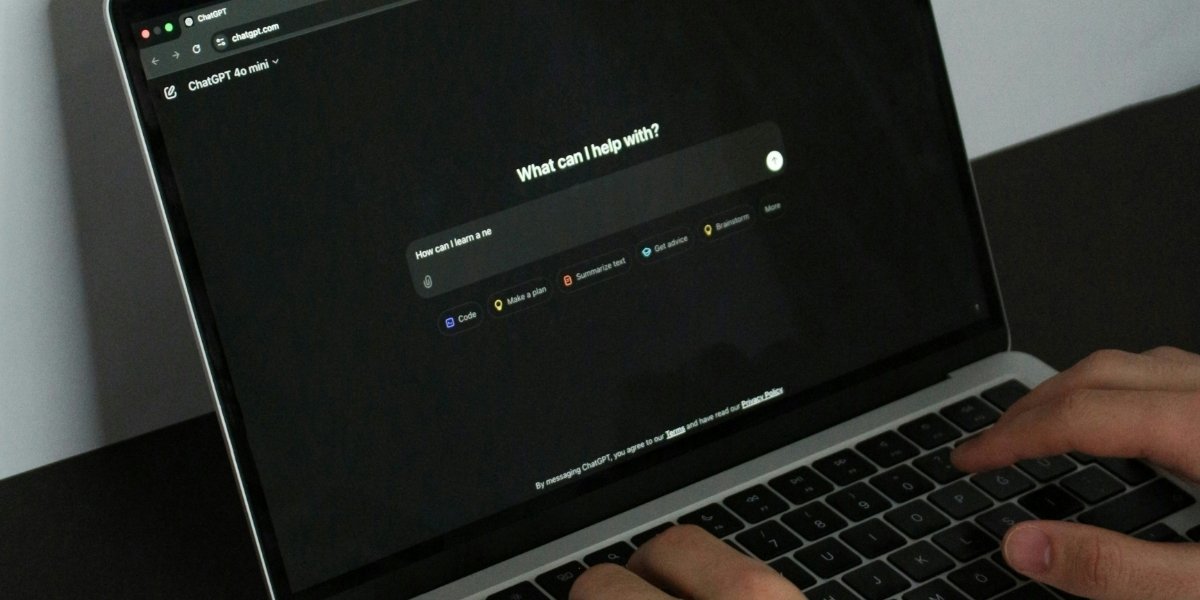
Photo Credit: Unsplash.com
This shift raises important questions about the role of empathy in healthcare. If patients feel more understood by a machine than by a doctor, what does that say about the state of patient-provider relationships? Should the role of empathy in patient care be redefined to include digital companions as well? For many, the appeal of an AI chatbot lies in its ability to listen without judgment and provide immediate feedback. This could change the way we think about patient care, as technology steps in to fill gaps in the emotional support traditionally offered by healthcare professionals.
At the same time, the popularity of Dr. ChatGPT underscores the democratization of information. People no longer rely solely on medical institutions for knowledge—they can access explanations instantly. While this empowerment is valuable, it also requires careful navigation to ensure the information is accurate, safe, and contextualized.
Balancing Accessibility and Professional Care
As AI health chatbots continue to rise in popularity, the future of these technologies remains uncertain. Some experts envision a world where AI chatbots are integrated into healthcare systems as triage tools, helping patients determine when to seek care and guiding them toward appropriate resources. This would allow AI to serve as an initial step in the healthcare process, providing early guidance and enabling professionals to focus their attention on cases requiring more immediate medical intervention.
Others, however, argue that the overreliance on AI could undermine trust in professional medicine. In their view, AI should never replace direct human interaction, particularly in complex medical situations. The danger lies in patients using chatbots as primary sources of medical advice, bypassing the need to consult licensed healthcare professionals.
For patients, the practical takeaway is clear: AI chatbots can be useful for education and reassurance, but they should never replace licensed medical advice. Staying informed, cross-checking information, and consulting with professionals remain essential steps in safeguarding one’s health.
Looking Ahead: Integration or Separation?
The future of AI health chatbots like Dr. ChatGPT remains uncertain. As healthcare systems explore how to integrate AI into the diagnostic process, there are both opportunities and risks. AI chatbots could serve as valuable tools for education and early-stage diagnosis, guiding patients to appropriate care. However, experts caution that overreliance on AI could compromise the trust patients place in medical professionals and the integrity of the healthcare system.
For now, the practical advice for patients is to use AI chatbots as tools for preliminary education rather than substitutes for comprehensive medical assessments. Although AI tools can provide valuable insight into potential conditions and offer lifestyle tips, they cannot replicate the expertise and personal touch that licensed professionals bring to the table.
The broader debate about AI’s role in healthcare touches on the evolving definition of what it means to deliver care. Should healthcare be purely clinical, or should it also encompass empathy, accessibility, and convenience? The challenge lies in finding a balance between technology and human interaction, ensuring that AI tools complement, rather than replace, the expertise of healthcare providers.
In the coming years, it will be important to continue evaluating how AI chatbots like Dr. ChatGPT can be incorporated into healthcare systems while maintaining patient safety and trust. As more people turn to these tools for advice, the healthcare industry will need to adapt and establish clear guidelines for their use, ensuring that patients receive accurate, reliable, and safe medical guidance.
Disclaimer: The information provided by AI chatbots like Dr. ChatGPT is for informational purposes only and is not a substitute for professional medical advice, diagnosis, or treatment. Users are encouraged to seek the advice of a qualified healthcare provider with any questions regarding medical conditions. Professional medical advice should never be disregarded or delayed due to information provided by AI chatbots.