Portland News

Portland Tornado Warning: Essential Safety Precautions


A tornado warning in Portland used to feel like a distant possibility. But in 2025, that’s no longer the case. Recent alerts issued by the National Weather Service have put the metro area on edge, with rotating storm systems triggering warnings across Clackamas, Marion, and Multnomah counties. Residents in Silverton, Molalla, and even parts of Southeast Portland were urged to take immediate shelter as radar indicated potential funnel cloud formation.

While Oregon isn’t traditionally known for tornado activity, the region’s shifting climate patterns are changing expectations. Severe thunderstorms, high winds, and hail are becoming more common, and emergency managers are urging Portlanders to treat every tornado warning as a serious call to action.

What a Tornado Warning Really Means

A tornado warning is issued when a tornado has been spotted or detected by radar. It’s not a watch, it’s a confirmation that conditions are dangerous and action is needed. Portland’s emergency alert system pushes notifications through mobile phones, radio broadcasts, and local TV stations. But during power outages or in areas with poor reception, these alerts may not reach everyone.

That’s why residents are encouraged to keep a battery-powered weather radio on hand and to sign up for local emergency text alerts. Knowing the difference between a watch and a warning, and responding quickly, can save lives.

Safe shelter locations include basements, interior bathrooms, and hallways away from windows. For those caught outside or in vehicles, the safest option is to find a sturdy building or lie flat in a low-lying area, covering the head and neck.

Building a Tornado Safety Kit

Emergency preparedness starts with a well-stocked tornado safety kit. Portlanders are advised to include:

  • Flashlights and extra batteries
  • First aid supplies and medications
  • Non-perishable food and bottled water
  • Whistles or signal devices
  • Copies of IDs and insurance documents
  • Sturdy shoes and weather-appropriate clothing
  • Portable chargers and backup power sources

Families with children or pets should add comfort items, extra food, and leashes or carriers. For those in apartment buildings or mobile homes, coordinating with neighbors and property managers is essential. Knowing evacuation routes and shelter locations can make a critical difference during a tornado warning.

Outdoor Safety and Terrain Awareness

Portland’s love for the outdoors adds complexity to tornado preparedness. Hikers, climbers, and campers often find themselves in remote areas with limited access to alerts. That’s why outdoor enthusiasts are encouraged to check weather conditions before heading out and carry gear that supports emergency response.

Navigation and terrain awareness are becoming essential skills. Local programs focused on mountaineering training and skills are helping residents build confidence in unpredictable environments. These trainings cover map reading, emergency signaling, and shelter improvisation, skills that can be lifesaving when storms strike without warning.

Technology is also playing a role. Search and rescue teams across Oregon are now using drones to locate individuals in hard-to-reach areas. The use of drones in search and rescue is expanding, offering faster, safer ways to assess damage and assist those in need.

Community Response and Local Resources

Portland’s neighborhoods are stepping up. Community centers, schools, and churches are organizing safety workshops and distributing preparedness materials. Mutual aid networks are checking in on vulnerable residents and sharing resources like generators, blankets, and emergency food kits.

Local businesses are adapting as well. Hardware stores are stocking tornado-specific gear, and outdoor retailers are offering discounts on emergency kits. Real estate agents are including tornado safety tips in homebuyer packets, especially for properties in exposed or rural areas.

City officials are working to improve infrastructure, from stormwater systems to emergency shelters. These investments reflect a growing recognition that tornado warnings are no longer rare events, they’re part of Portland’s evolving climate reality.

Staying Informed and Adapting to Change

The unpredictability of severe weather means Portlanders must stay informed. Following trusted sources like the National Weather Service, local news outlets, and city emergency channels ensures timely updates and accurate information.

Apps that offer real-time radar and alert customization are gaining popularity. Residents are setting up group chats and neighborhood networks to share updates and coordinate responses. These grassroots systems are proving effective during fast-moving storms.

Climate experts warn that extreme weather may become more frequent in the Pacific Northwest. Tornado warnings, once considered anomalies, are now part of a broader pattern of atmospheric instability. Portland’s response will depend on how quickly communities adapt and how seriously they take preparedness.

Emergency Contacts and Local Hotlines

Portland Tornado Warning Essential Safety Precautions

Photo Credit: Unsplash.com

In the event of a tornado warning or severe weather emergency, Portlanders should keep these essential contacts accessible:

  • Multnomah County Emergency Management: 503-988-8940
  • Portland Bureau of Emergency Management (PBEM): 503-823-4375
  • Oregon Emergency Management Hotline: 800-452-0311
  • American Red Cross Cascades Region: 503-284-1234
  • Non-Emergency Police Line (Portland): 503-823-3333
  • Emergency (Police, Fire, Medical): 911

Residents are also encouraged to download the FEMA app and sign up for PublicAlerts.org to receive real-time updates and shelter information.

What Portlanders Can Do Today

Preparedness doesn’t have to be overwhelming. Small steps make a big impact:

  • Identify a safe shelter location at home
  • Assemble or update an emergency kit
  • Sign up for local alert systems
  • Practice tornado drills with family or roommates
  • Check weather forecasts before outdoor activities
  • Stay connected with neighbors and community groups

Portland’s resilience depends on proactive planning and shared responsibility. As tornado warnings become part of the city’s weather vocabulary, residents are learning that safety starts with awareness, and action.

Tornado Safety in a Changing Climate

As Portland’s weather becomes more unpredictable, tornado preparedness will need to evolve. Experts are calling for more public education, better infrastructure, and stronger coordination between agencies. Schools may begin incorporating tornado drills into their emergency protocols, and workplaces are reviewing shelter-in-place procedures.

The city’s emergency management office is exploring new technologies, including AI-powered forecasting tools and mobile shelters for vulnerable populations. These innovations could help Portland respond more effectively to future tornado warnings and reduce the risk of injury or loss.

Portland’s culture of community, creativity, and resilience is well-suited to meet this challenge. By combining local knowledge with modern tools, the city can build a safety network that protects all residents, whether they’re downtown, in the suburbs, or out on the trail.
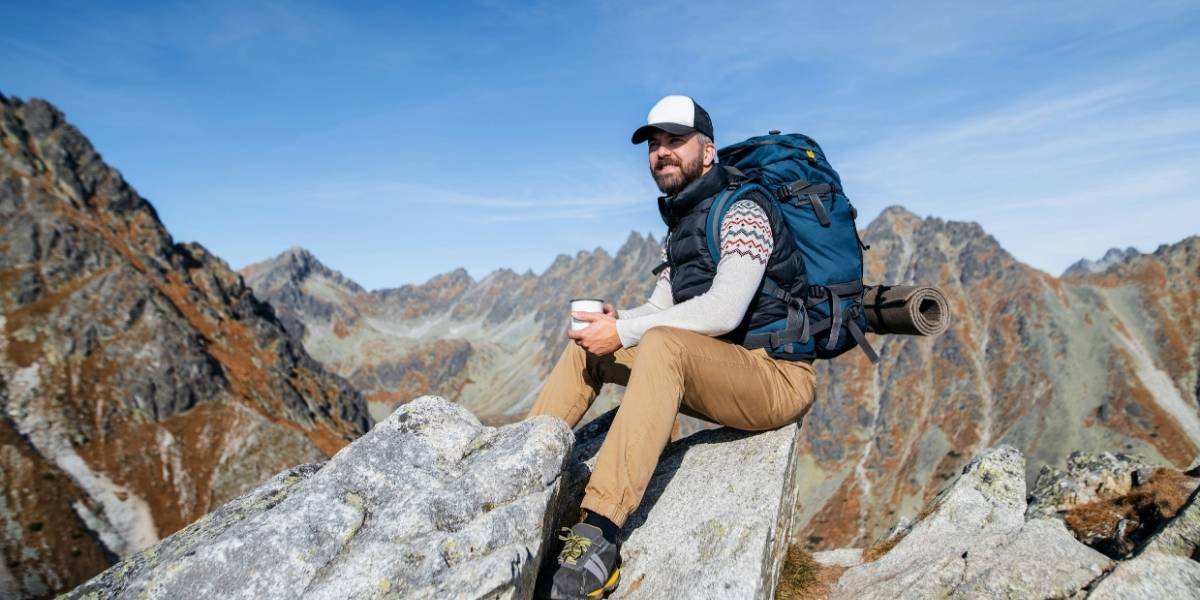
The Digital Detox Trend: Portland’s Guide to Travel Without Phones

Digital detox is gaining momentum across Portland, where wellness culture and outdoor access make unplugged travel not just possible, but popular. As screen fatigue and overstimulation reshape how residents think about rest, more locals are choosing to leave their phones behind and embrace intentional disconnection.

Whether it’s a weekend in the Columbia River Gorge or a silent retreat in the Willamette Valley, Portlanders are seeking out experiences that prioritize presence over pings. These trips aren’t just about escaping technology, they’re about reclaiming attention, reducing anxiety, and reconnecting with what matters.

Why Portlanders Are Choosing to Unplug

The digital detox movement reflects a deeper shift in how Portlanders view wellness. Constant connectivity has led to burnout, sleep disruption, and a sense of mental clutter. Many are realizing that stepping away from screens, even temporarily, can dramatically improve mood, focus, and creativity.

Local wellness advocates point to overstimulation as a key driver. The nonstop barrage of texts, emails, and social media updates creates a feedback loop that’s hard to break. Portland’s growing interest in how digital noise affects workday highlights how this mental overload is impacting productivity and emotional health.

Digital detox travel offers a reset. Instead of scrolling through feeds, travelers are journaling, hiking, and engaging in face-to-face conversation. The shift is subtle but powerful, less distraction, more depth.

Where Portlanders Are Traveling Without Phones

Oregon’s geography makes it easy to unplug. Just outside the city, destinations like Mt. Hood and the Oregon Coast offer natural beauty and limited cell service, perfect conditions for a digital detox. Forest Park’s 80+ miles of trails have become a favorite for locals looking to disconnect without leaving town.

In the Willamette Valley, farm stays are offering screen-free weekends with hands-on activities like gardening, cooking, and animal care. These immersive experiences help guests reset their nervous systems while reconnecting with tactile, analog living.

Cannon Beach has seen a rise in phone-free retreats that blend mindfulness with nature immersion. Visitors participate in guided meditations, beach yoga, and silent walks along the shoreline. The absence of screens creates space for reflection and sensory engagement.

Even Airbnb hosts are getting creative. Listings now include “no WiFi” tags and offer amenities like record players, board games, and handwritten welcome notes. These details signal a shift in traveler priorities, less tech, more texture.

What Happens on a Phone-Free Trip

Digital detox travel isn’t about deprivation, it’s about intention. Most retreats offer structured activities that fill the space left by screens. Morning movement, communal meals, and quiet time for reflection are common. Some programs include art therapy, storytelling circles, or forest bathing to foster connection and creativity.

The Digital Detox Trend Portland's Guide to Travel Without Phones

Photo Credit: Unsplash.com

Participants are encouraged to leave phones in lockboxes or turn them off entirely. In place of scrolling, they read, write, or simply observe their surroundings. The adjustment can feel awkward at first, but most report a sense of clarity and calm by the end of their stay.

The benefits extend beyond the trip. Many Portlanders return home with new boundaries around screen time, better sleep hygiene, and a renewed appreciation for offline living. The experience often sparks longer-term changes in how they use technology day to day.

Mental Health Benefits of Digital Detox

Digital detox travel is more than a wellness trend, it’s a mental health intervention. Therapists across Portland are recommending screen-free getaways as part of treatment plans for anxiety, depression, and burnout. The absence of digital noise allows the nervous system to reset, reducing cortisol levels and improving emotional regulation.

This approach aligns with Portland’s broader interest in holistic healing. Residents are increasingly exploring nature-based therapies, mindfulness practices, and community-driven wellness. The city’s embrace of why you need a digital break reflects a growing understanding that mental clarity starts with intentional disconnection.

Couples report deeper conversations, families reconnect over shared experiences, and solo travelers rediscover self-trust and intuition. In a culture that often equates busyness with success, these trips offer a counter-narrative: that stillness is powerful, and presence is healing.

How Portlanders Are Making It Stick

The digital detox doesn’t end when the trip does. Portlanders are finding creative ways to integrate phone-free habits into everyday life. Some are adopting “tech-free Tuesdays,” others are setting screen curfews or creating device-free zones at home. Community groups are hosting unplugged dinners, analog game nights, and nature walks to keep the momentum going.

Local businesses are responding, too. Cafes like Upper Left Roasters and Tea Bar are experimenting with phone-free seating areas. Wellness studios are launching digital sabbatical programs, and coworking spaces like CENTRL Office are testing tech-free hours to help members focus.

Public libraries are hosting workshops on analog journaling and mindfulness. Bookstores are curating “offline living” sections with titles on slow travel, deep work, and digital minimalism. These shifts reflect a citywide commitment to balance, creativity, and intentional living.

Even Portland’s creative community is getting involved. Artists are organizing unplugged exhibitions, musicians are hosting phone-free concerts, and writers are leading retreats that emphasize presence over productivity. The message is clear: connection doesn’t require a signal.

What’s Next for Digital Detox in Portland

As the digital detox trend grows, Portland is poised to become a national leader in screen-free travel and lifestyle design. The city’s blend of natural beauty, wellness infrastructure, and cultural creativity makes it an ideal incubator for unplugged experiences.

Expect to see more collaborations between mental health professionals, outdoor educators, and hospitality providers. Retreats will likely expand to include intergenerational programming, trauma-informed design, and accessibility-focused offerings. The goal isn’t just to unplug, it’s to heal, connect, and grow.

Digital detox is no longer a luxury, it’s a necessity. In Portland, it’s becoming a way of life.


Social Circles and Their Influence on Health and Wellness

Social circles are quietly transforming how Portlanders approach health and wellness. In a city known for its community gardens, hiking culture, and neighborhood co-ops, relationships are becoming just as important as routines. From Southeast Portland to the Pearl District, residents are discovering that who they spend time with directly impacts how they eat, move, and manage stress.

The city’s wellness culture has always been rooted in connection. Whether it’s a group yoga class in Laurelhurst Park or a kombucha-making workshop in Sellwood, Portlanders thrive in environments that blend social engagement with intentional living. These social circles are more than casual friendships, they’re wellness ecosystems that support accountability, emotional growth, and shared purpose.

Mental Health Gains Strength Through Social Circles

Portland’s mental health movement is deeply intertwined with its social fabric. Emotional wellness depends not only on therapy and self-care, but also on the quality of one’s relationships. Supportive social circles offer validation, reduce isolation, and help individuals manage stress more effectively.

Across the city, peer-led support groups, community healing events, and trauma-informed workshops are creating space for connection. These gatherings are helping residents build emotional resilience and navigate challenges with greater confidence.

Many Portlanders are choosing to step away from draining dynamics and prioritize relationships that support emotional clarity and growth. That shift has sparked deeper conversations around boundaries, including the growing recognition of why moving on is important for mental well-being.

Seasonal affective disorder, burnout, and anxiety are common concerns in the region, especially during the darker months. Social circles offer a buffer, providing companionship and structure when motivation wanes. Whether through weekly check-ins, shared creative projects, or spontaneous outdoor meetups, these connections are helping residents stay grounded.

Mental health professionals across Portland are also encouraging clients to evaluate their social environments. Therapists are seeing increased interest in group therapy formats, community-based healing, and peer accountability models. These approaches reflect a broader understanding that healing doesn’t happen in isolation, it happens in relationship.

Physical Wellness Becomes a Group Effort

Social circles don’t just influence how Portlanders feel, they shape how they move. From group runs along the waterfront to climbing sessions at local gyms, physical activity is increasingly social. People are more likely to stick with fitness routines when they’re doing it with friends.

Neighborhood walking groups, bike-to-work collectives, and weekend trail crews are turning exercise into connection. It’s not about competition, it’s about consistency and joy. When a social circle values movement, it becomes part of one’s identity.

Nutrition is also contagious. Portland’s plant-forward culture is thriving in shared kitchens, CSA swaps, and community dinners. Friends trade recipes, host cooking nights, and explore new food philosophies together. Kombucha brewing parties and fermentation workshops are now common in backyard sheds across the city.

Social Circles and Their Influence on Health and Wellness

Photo Credit: Unsplash.com

Nature-based socializing is especially popular. Hike meetups, forest bathing groups, and outdoor meditation circles combine physical movement with emotional connection. The benefits are twofold: improved fitness and reduced stress. Many Portlanders are turning to the outdoors for healing, and the benefits of hiking for mental health continue to draw attention from both wellness professionals and everyday residents.

Fitness instructors and wellness coaches are also adapting their offerings to reflect this trend. Group classes are emphasizing community-building, and wellness challenges are designed to be completed with friends or family. The message is clear: movement is more meaningful when it’s shared.

Digital Social Circles Extend the Reach of Wellness

Not all social circles are physical. Online communities, especially those focused on wellness, fitness, and mental health, are shaping habits in powerful ways. Portlanders are joining virtual support groups, following local wellness influencers, and participating in digital challenges that promote healthy living.

These platforms offer accessibility and anonymity, which can be especially helpful for those navigating sensitive issues. They also allow for niche interests, whether it’s plant-based nutrition, trauma-informed yoga, or ADHD-friendly productivity tips.

Local creators are leading the charge. TikTok therapists, Instagram nutritionists, and YouTube yogis based in Portland are building loyal followings by sharing authentic, actionable content. Their influence extends beyond the screen, inspiring real-world behavior change and community formation.

However, digital circles come with caveats. Comparison, misinformation, and performative wellness can undermine progress. That’s why many Portlanders are curating their feeds, choosing to follow creators who prioritize transparency and evidence-based advice. The goal isn’t perfection, it’s progress.

Digital wellness communities are also helping residents stay connected during transitions. Whether recovering from illness, navigating a breakup, or adjusting to a new job, these virtual circles offer support when in-person connection isn’t possible. They’re becoming an essential part of Portland’s wellness infrastructure.

Building Stronger Social Circles in Portland

Creating a supportive social circle doesn’t happen by accident, it takes intention. Portland’s community-driven culture makes it easier, with countless opportunities to connect through shared interests and values. From neighborhood meetups to volunteer collectives, the city offers fertile ground for meaningful relationships.

Local organizations are stepping up, too. Nonprofits, wellness studios, and even public libraries are hosting events that foster connection. These spaces are helping residents build circles that reflect their goals, identities, and needs.

For those starting fresh, the advice is simple: follow personal interests. Whether it’s joining a climbing gym, attending a poetry reading, or volunteering at a food bank, showing up is the first step. The right people tend to follow.

And for Portlanders who’ve felt disconnected or overwhelmed, there’s hope. The city’s wellness movement is increasingly inclusive, trauma-informed, and community-first. Whether navigating grief, burnout, or a major life transition, there’s a circle waiting to support the journey.

As Portland continues to grow and evolve, its social circles remain a vital part of the city’s wellness infrastructure. They’re not just shaping habits, they’re shaping lives. In a city where connection is currency, wellness begins with who’s beside you.

Inside Portland’s Thriving Athletic Apparel Scene and Local Economy

Portland’s reputation as a hub for athletic apparel didn’t happen overnight. It was built over decades by industry giants like Nike, Columbia Sportswear, and Adidas North America, all of which established deep roots in the region. These companies laid the foundation for a local economy that understands performance, design, and brand storytelling at a global scale.

But today’s athletic apparel scene is no longer dominated by legacy players alone. A new wave of creators, many of them former employees of these larger firms, are launching their own ventures, bringing fresh energy and values to the industry. These startups are lean, mission-driven, and focused on solving real-world problems through gear that’s functional, inclusive, and environmentally responsible.

Portland’s proximity to natural landscapes also plays a role. With mountains, rivers, and trails just minutes from downtown, the city offers a built-in testing ground for outdoor gear. This connection to nature informs everything from product development to brand ethos, reinforcing Portland’s identity as a place where performance meets purpose.

Sustainability Is Reshaping the Athletic Apparel Scene

One of the most defining features of Portland’s athletic apparel scene is its commitment to sustainability. While eco-conscious design has become a buzzword in fashion, Portland brands are pushing the concept further, rethinking sourcing, manufacturing, and lifecycle management from the ground up.

Local companies are investing in biodegradable fabrics, closed-loop production systems, and carbon-neutral shipping. Some are even pioneering regenerative materials and waterless dyeing techniques. These innovations aren’t just good for the planet, they’re good for business, as consumers increasingly demand transparency and accountability from the brands they support.

The city’s emphasis on sustainable sourcing in sports gear production has become a benchmark for other markets. Portland-based manufacturers are collaborating with textile scientists, environmental nonprofits, and local governments to build supply chains that reflect the region’s values. These efforts are helping Portland lead the national conversation on ethical apparel production.

Sustainability also extends to packaging, retail design, and post-purchase services. Brands are offering repair programs, resale platforms, and recycling incentives to keep gear out of landfills and in circulation. This holistic approach is turning Portland’s athletic apparel scene into a model of circular fashion.

Athletes and Creators Are Driving the Style Evolution

Portland’s athletic apparel scene isn’t just shaped by designers, it’s driven by athletes, artists, and influencers who bring lived experience to the table. From pro runners and climbers to yoga instructors and streetwear stylists, local talent is collaborating with brands to create gear that reflects real-world needs and cultural relevance.

Inside Portland’s Thriving Athletic Apparel Scene and Local Economy

Photo Credit: Unsplash.com

These partnerships go beyond traditional endorsements. Athletes are involved in product testing, campaign development, and even co-designing collections. Their input ensures that apparel performs under pressure while resonating with diverse audiences. This blend of function and fashion is redefining what athletic wear looks like, and who it’s for.

The city’s creative community is also playing a role. Graphic designers, photographers, and stylists are helping brands craft visual identities that stand out in a crowded market. Portland’s aesthetic, clean, bold, and rooted in authenticity, is becoming a signature look for emerging sportswear labels.

This convergence of sport and style is explored in how athletes are elevating fashion beyond the court, which highlights how Portland’s creators are blurring the lines between performance gear and everyday wear, making athletic apparel a staple in both locker rooms and coffee shops.

Local Economy Benefits from Sportswear Expansion

The growth of Portland’s athletic apparel scene is having a measurable impact on the local economy. The sector supports tens of thousands of jobs across design, manufacturing, logistics, marketing, and retail. It also drives demand for creative services, tech development, and sustainable infrastructure.

Local universities and trade schools are responding with specialized programs in apparel design, materials science, and business development. These initiatives are helping build a pipeline of talent that feeds directly into Portland’s sportswear ecosystem. Internships, mentorships, and incubators are giving young professionals a foothold in an industry that’s both competitive and collaborative.

Prosper Portland and other economic development agencies are investing in the sector through grants, networking events, and export support. These efforts aim to ensure that the benefits of the industry’s growth are shared across communities, especially among underrepresented entrepreneurs and small businesses.

Retail is also evolving. Portland’s neighborhoods are home to flagship stores, pop-up shops, and showroom hybrids that offer immersive brand experiences. These spaces serve as both sales channels and community hubs, hosting events, workshops, and athlete meetups that deepen customer engagement.

What’s Next for Portland’s Athletic Apparel Scene

Looking ahead, Portland’s athletic apparel scene is poised for continued expansion. The global sportswear market is projected to reach $375 billion by 2030, and Portland is well-positioned to capture a significant share of that growth. With its blend of legacy expertise, startup energy, and sustainability leadership, the city offers a blueprint for the future of athletic fashion.

Expect to see more cross-industry collaborations, from tech-integrated gear to AI-powered design tools. Brands will deepen their commitment to environmental stewardship, exploring regenerative materials and zero-waste production. Portland’s role as a magnet for talent, creativity, and purpose-driven entrepreneurship will only grow stronger.

The city’s emphasis on equity and inclusion will also shape the next chapter. As more brands prioritize representation in leadership, inclusive sizing, and community engagement, Portland’s athletic apparel scene will reflect the diversity of the athletes and consumers it serves.

In a city where movement is a way of life, athletic apparel is more than a product, it’s a reflection of identity, values, and vision. Portland’s thriving scene proves that when fashion meets function and community meets innovation, the result is an economy built to last.