Portland News

Portland Book Festival: A Celebration of Words and Local Talent

The Portland Book Festival returns November 3–9, 2025, with a week-long celebration of literature, Oregon authors, and community storytelling. Hosted by Literary Arts, the festival spans six downtown venues and ten stages, offering readings, panels, workshops, and a citywide book fair. The main festival day, Saturday, November 8, anchors the week with a full schedule of programming at the Portland Art Museum and neighboring cultural spaces.

General admission includes museum access and a $5 book voucher redeemable at the book fair or participating vendors. Free and discounted entry is available for youth under 17, veterans, and SNAP recipients, reinforcing the festival’s commitment to accessibility and inclusion.

Programming Reflects Portland’s Literary Identity

The Portland Book Festival’s programming reflects the city’s literary character, independent, experimental, and deeply rooted in community. The Cover to Cover series, running throughout the week, brings authors into bookstores, libraries, and public spaces across the city. These events highlight emerging voices alongside nationally recognized writers, with themes ranging from climate storytelling and speculative fiction to memoir and translation.

Panels on publishing, genre fiction, and literary criticism offer insight into the mechanics of writing and book production. Sessions on graphic novels, poetry, and oral history showcase the diversity of formats embraced by Portland’s literary scene. The festival’s programming also includes bilingual readings and translation workshops, reflecting the city’s multilingual communities and global literary connections.

Bookstores and Browsing Culture Stay Central

Independent bookstores remain a cornerstone of the Portland Book Festival. Pop-up shops, curated tables, and author signings create a tactile experience that complements the digital reading landscape. The festival’s partnership with local booksellers reinforces the importance of physical browsing and community engagement, a theme explored in this feature on Portland’s bookstore culture.

Participating vendors include Powell’s Books, Broadway Books, Green Bean Books, and Third Eye Books, among others. Each brings a distinct curatorial voice, offering selections that reflect Portland’s literary tastes, from small press poetry to regional history and speculative fiction. Festival organizers have prioritized vendor diversity, ensuring that BIPOC-owned publishers, zine creators, and independent imprints have space alongside larger distributors.

Digital Platforms and E-Books Join the Conversation

While print remains central, the Portland Book Festival acknowledges the role of digital platforms in expanding access to literature. Panels on e-books, audiobooks, and online publishing explore how technology is reshaping reading habits and author visibility. These discussions build on broader trends in digital literacy and global reach, as outlined in this report on e-book accessibility.

Workshops on metadata, platform algorithms, and self-publishing offer practical tools for writers navigating hybrid careers. For readers, these sessions provide insight into how digital platforms influence discovery, recommendation, and engagement. The festival also includes demonstrations of accessibility tools for screen readers and mobile devices, highlighting how technology can support inclusive reading experiences.

Youth Engagement and Literary Education

Youth programming is a major focus of the 2025 Portland Book Festival. Free admission for students, school partnerships, and teen-led panels create space for younger voices to participate meaningfully. Workshops on poetry, journalism, and storytelling encourage creative expression and critical thinking.

Portland Book Festival A Celebration of Words and Local Talent

Photo Credit: Unsplash.com

The festival’s youth stage features readings by student authors, performances by spoken word collectives, and interactive sessions on comic creation and podcast scripting. Educators and librarians are also part of the conversation, with panels on curriculum design, book banning, and inclusive reading lists. These discussions reflect ongoing debates about representation, access, and the role of literature in civic life.

Accessibility and Public Space Integration

The Portland Book Festival’s integration with public spaces, including parks, transit corridors, and community centers, helps remove barriers to participation. Outdoor readings, mobile libraries, and multilingual signage are part of a broader effort to make literature visible and approachable across the city.

Organizers have expanded sensory-friendly programming and ASL interpretation, ensuring that events are inclusive for attendees with disabilities. These efforts align with Portland’s broader commitment to equity in cultural programming. The festival’s accessibility team has also worked with local disability advocates to improve venue navigation, seating options, and digital access for remote participants.

Spotlight on Oregon Authors and Regional Voices

Oregon authors are prominently featured throughout the Portland Book Festival. Writers from across the state, including Eugene, Bend, Ashland, and the Columbia River Gorge, are participating in panels, readings, and workshops. Their work spans genres and formats, offering perspectives shaped by Oregon’s landscapes, histories, and communities.

The festival’s regional showcase includes sessions on rural storytelling, Indigenous literature, and environmental writing. These events highlight how place and identity intersect in the work of Oregon writers, and how literature can serve as a tool for cultural preservation and civic dialogue.

Literary Arts and Civic Engagement

Literary Arts, the nonprofit behind the Portland Book Festival, has emphasized civic engagement as part of its mission. This year’s programming includes panels on journalism, public discourse, and the role of literature in democracy. Speakers include investigative reporters, essayists, and cultural critics whose work addresses issues such as housing, climate policy, and education.

These sessions are designed to connect literary practice with civic participation, encouraging attendees to think about how storytelling shapes public understanding and community action. The festival’s civic track also includes voter registration tables, policy briefings, and partnerships with local advocacy groups.

A Week That Reflects the City’s Literary Pulse

The Portland Book Festival is more than a single-day event. It’s a reflection of the city’s literary pulse, a mix of tradition, experimentation, and community care. From bookstore tables to digital panels, the festival offers a space where stories are shared, challenged, and celebrated.

Whether through print or pixels, poetry or prose, the Portland Book Festival continues to affirm literature’s role in shaping how Portland reads, thinks, and connects.
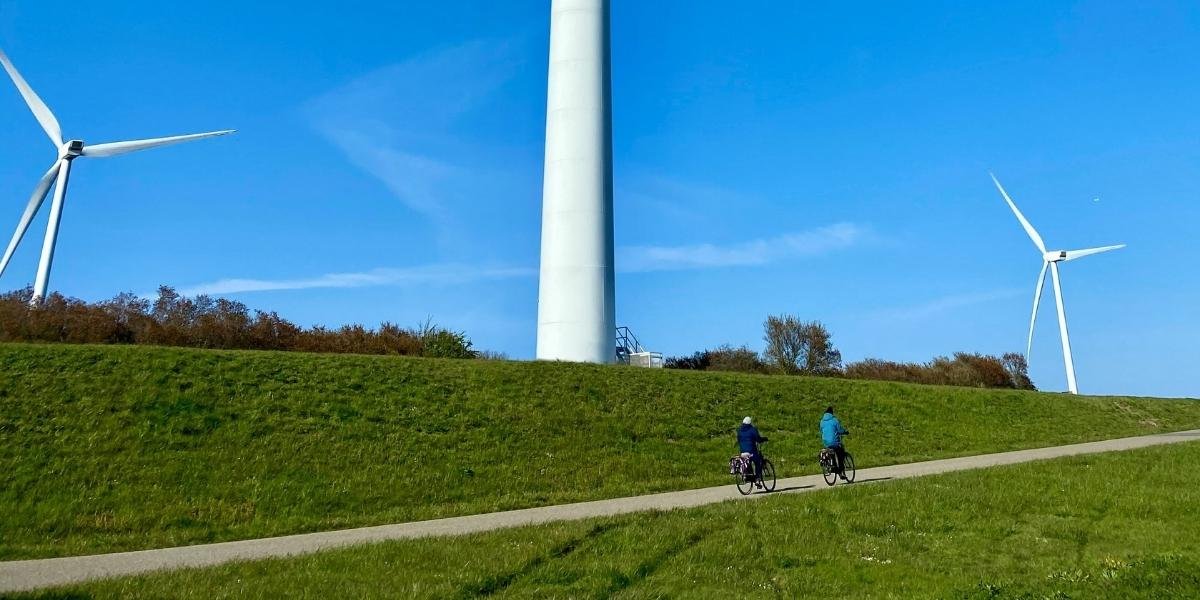

Tech Association of Oregon Amplifies Cleantech Resources for Portland

Cleantech resources are gaining traction across Portland as the Tech Association of Oregon (TAO) expands its support for climate-focused innovation. Through new programming, regional partnerships, and startup engagement, TAO is helping shape how the city’s tech sector responds to environmental challenges with practical, scalable solutions.

This shift reflects a broader movement within Oregon’s technology community to prioritize sustainability as a core component of economic and civic development. TAO’s initiatives are designed to support early-stage companies, workforce training, and community-driven projects that align with climate resilience and clean energy goals.

Cleantech Open Anchors Regional Momentum

One of the most visible efforts is TAO’s collaboration with the Cleantech Open, a national accelerator program that launched its Portland track in 2025. The program supports early-stage companies working across eight sectors, including energy generation, green building, and water systems. Participants receive access to a structured 12-week curriculum, mentorship from industry experts, and opportunities to connect with investors and policymakers.

The Portland cohort includes startups developing modular solar systems, AI-powered grid optimization tools, and low-impact construction materials. These ventures reflect the region’s strengths in engineering, environmental science, and civic engagement. TAO’s role in coordinating local participation ensures that Oregon-based founders are not only represented but supported with region-specific guidance and visibility.

Startup Infrastructure Expands Beyond the Accelerator

TAO’s cleantech strategy extends beyond the Cleantech Open. The organization has introduced new programming focused on regulatory navigation, public-private collaboration, and early-stage capital access. These efforts are designed to reduce friction for founders building climate-focused solutions in a city known for its environmental values but complex permitting and policy frameworks.

This work complements Portland’s broader startup ecosystem, where climate tech is becoming a central focus. The Witness Initiative, a local platform supporting innovation across sectors, has seen increased participation from cleantech founders. TAO’s involvement helps bridge the gap between grassroots experimentation and institutional support, offering a clearer path from prototype to pilot.

TAO has also partnered with local incubators and co-working spaces to ensure that cleantech startups have access to affordable lab space, testing facilities, and collaborative environments. These physical resources are critical for companies working on hardware-intensive solutions, where prototyping and iteration require more than just laptops and cloud access.

Workforce Development Aligns with Sector Needs

Cleantech growth depends not only on innovation but on a skilled workforce. TAO has partnered with local colleges, trade schools, and employers to align training programs with the technical and operational needs of cleantech companies. This includes curriculum development in areas such as energy systems, sustainable materials, and environmental data analytics.

Internship pipelines and apprenticeship models are also being expanded to ensure that students and career-switchers can access hands-on experience. These efforts build on Portland’s broader tech employment trends, which show steady growth in roles that combine engineering, sustainability, and data science. As noted in this report on tech employment, the city’s workforce is adapting to meet the demands of emerging sectors without losing sight of community values.

TAO is also working with employers to identify transferable skills from adjacent industries, such as construction, logistics, and manufacturing, that can support cleantech deployment. This approach helps broaden access to cleantech careers and ensures that workforce development efforts are inclusive and responsive to Portland’s diverse labor market.

Community Engagement Shapes Project Direction

TAO’s cleantech programming includes a strong emphasis on community input and impact. The organization has convened roundtables with neighborhood associations, environmental justice groups, and public agencies to identify shared priorities. These conversations have informed funding criteria, site selection for pilot projects, and the design of public-facing tools.

Projects focused on energy equity, green infrastructure, and climate resilience have emerged from these collaborations. For example, a recent initiative in East Portland is exploring how solar microgrids can support emergency preparedness in underserved neighborhoods. TAO’s role has been to connect technical teams with local stakeholders and ensure that solutions are designed with, not just for, the communities they aim to serve.

TAO has also supported community-led data collection efforts, where residents help monitor air quality, energy usage, and environmental conditions. These projects not only inform cleantech development but build trust between innovators and the neighborhoods they serve.

Policy and Procurement Are Part of the Strategy

TAO has engaged with state and municipal agencies to improve procurement pathways for cleantech startups. Many early-stage companies struggle to navigate public-sector contracting, which can be opaque and risk-averse. By working with policymakers and procurement officers, TAO is helping to identify pilot-friendly frameworks that allow new technologies to be tested in real-world settings.

Tech Association of Oregon Amplifies Cleantech Resources for Portland

Photo Credit: Unsplash.com

This includes efforts to streamline vendor qualification processes, clarify insurance requirements, and create carve-outs for demonstration projects. These changes are intended to lower barriers for startups while maintaining accountability and public trust.

TAO has also hosted workshops on grant writing, compliance, and public-sector funding strategies. These sessions help founders understand how to position their solutions for civic adoption, whether through city infrastructure upgrades or regional sustainability initiatives.

Regional Collaboration Strengthens the Ecosystem

TAO’s cleantech work is part of a broader regional effort to coordinate across cities, counties, and industry clusters. The organization has participated in multi-jurisdictional planning sessions focused on clean energy deployment, transportation electrification, and sustainable manufacturing. These forums have helped align funding strategies, avoid duplication, and identify shared infrastructure needs.

By positioning cleantech as a cross-sector priority, TAO is contributing to a more integrated approach to economic development. This includes supporting industrial decarbonization efforts in the Columbia River corridor, advancing circular economy models in the food and beverage sector, and exploring how data platforms can support regional emissions tracking.

TAO’s regional partners include utilities, port authorities, and tribal governments, each bringing unique perspectives and priorities to the table. These collaborations help ensure that cleantech solutions are not only technically viable but socially and environmentally grounded.

Cleantech Resources as a Long-Term Investment

TAO’s cleantech initiatives reflect a sustained commitment to building capacity across Portland’s innovation ecosystem. Rather than focusing solely on high-growth startups, the organization is supporting a range of actors, from student teams and neighborhood nonprofits to established firms and public agencies.

This approach recognizes that cleantech adoption depends on more than technology. It requires trust, coordination, and a shared understanding of what sustainability means in practice. By expanding access to cleantech resources, TAO is helping Portland build a foundation for climate action that is both ambitious and grounded in local context.