

Dystoria Rises From Portland’s DIY Stages

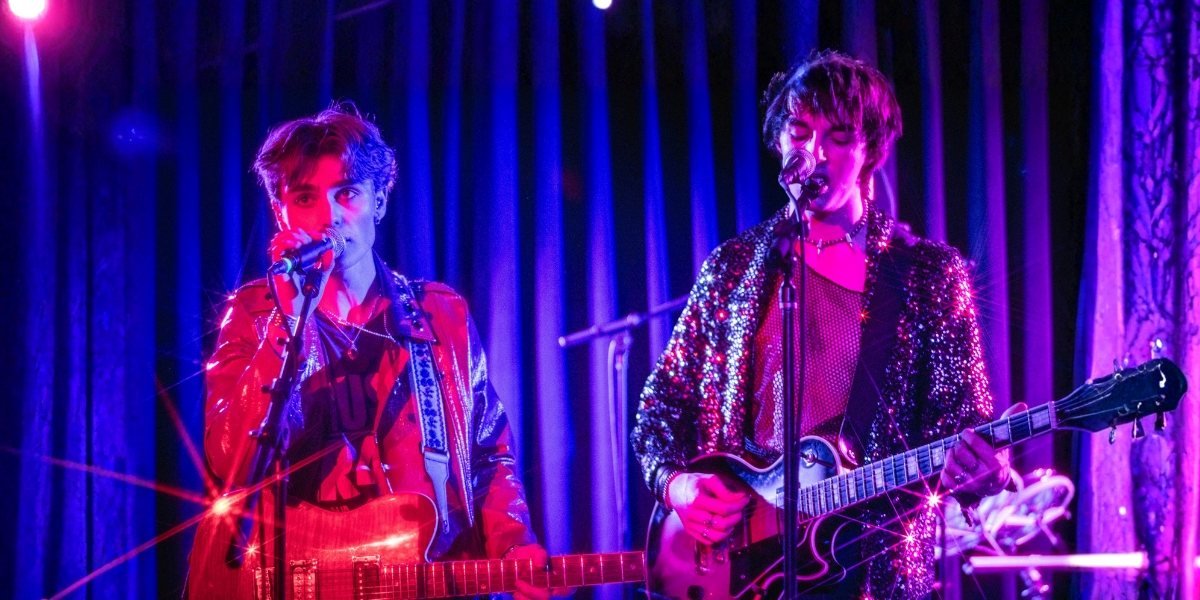
From Garage Demos to a Cinematic Debut
Dystoria is a Portland-based rock group carving a patient, craft-first path from high-school practice rooms to respected stages in the Pacific Northwest. Formed by multi-instrumentalists Miles and Chase at sixteen, Dystoria came together after years of parallel musical upbringings that primed them for collaboration: a house filled with instruments and lessons for Miles, and an early start on violin that evolved into songwriting and multi-instrumental fluency for Chase. Dystoria emerged as their shared outlet for ambitious, emotionally rich songwriting and a working rhythm built on trust, open critique, and long hours of focused rehearsal.
Early Sparks and Shared Influences
As teens, both musicians learned by doing: recording sketches in GarageBand, posting snippets online, and covering artists across decades. Those experiments—Gorillaz, Foo Fighters, Joy Division for Chase; Neil Young and Pink Floyd with his father for Miles—sharpened their instincts for melody and arrangement. When they met, the connection translated quickly into original material influenced by Radiohead, Deftones, and Beach House. The band was less about imitation and more about standards; they aimed to write songs that could stand beside the records they admired. In that creative frame, Dystoria became the vehicle for ideas that were bigger than any one instrument or role.
Building a Partnership that Serves the Song
The band’s early process emphasized flexibility. If a disagreement surfaced, the question was simple: what serves the track? They moved freely between instruments, spending unglamorous hours in a stifling practice space to refine tempos, transitions, and vocal phrasing. That habit—putting arrangement ahead of ego—shaped a recognizable sound: layered, cinematic, and designed to hold a listener’s attention without relying solely on volume. In a scene where speed often outruns editing, Dystoria chose to revise.
A Debut Shaped By Patience: Lace
By the end of their junior year, Miles and Chase had enough material to record a full-length. Working with studio veteran Nathan Abner, they tracked and produced every part themselves, guided by the principles of clarity and space. The resulting album, Lace, is a lush, atmospheric rock statement with narrative vocals and hooks that move with restraint rather than flash. For a young band, the choice to keep production in-house reflects confidence in their ear and a commitment to learning the mechanics behind the sound. With Lace, Dystoria stepped into the catalog they once studied, now as contributors.
On Stage, Instruments Rotate and Momentum Builds
Live shows began close to home—school events, self-booked gigs, and any room that welcomed original music. The early lineup placed Miles on drums and vocals, Chase on guitar, and Miles’s father on bass; mid-set instrument swaps kept arrangements fresh and forced rigorous preparation. Word-of-mouth and tireless outreach (right down to handing out band cards) led to larger rooms, including a pivotal night at Polaris Hall in Portland. As momentum grew, the addition of bassist Nikolaus Hill aligned the sound and image around a peer-age trio. At this stage, Dystoria functioned like entrepreneurs: booking, promoting, and performing while safeguarding quality control.
Mapping the Region and Studying Its Landmarks
The group’s regional push included hallmark rooms that carry cultural weight. At Gilman Street in Berkeley, an all-ages, volunteer-run space credited with nurturing influential punk and DIY communities, they tapped into a legacy built on participation and access. In West Hollywood, a set at the Whisky a Go Go placed them on a storied stage central to multiple eras of rock history. These bookings matter for a young band: the rooms themselves teach lessons about audience energy, pacing, and what it means to hold attention in spaces where many artists have learned those same lessons.
Professional Insights that Guide their Next Chapter
Several practices stand out in how the trio develops:
- Composition before spectacle. Each arrangement is trimmed until every layer earns its place, a discipline that supports listener retention and repeat plays.
- Role agility. Switching instruments in rehearsal exposes weak links in a song and strengthens communication on stage.
- Community over transaction. The band favors authentic conversations on social channels and at shows, building a base that values the music and the people who make it.
Those habits support sustainable growth: they reduce creative bottlenecks, maintain a coherent catalog, and establish a feedback loop with listeners that informs future writing. Dystoria treats every release and performance as an iteration in a longer design process.
A Thoughtful Cover To Widen The Palette
The band’s recent cover of Beach House’s “Space Song” offers a window into their curation. Rather than replicating the dream-pop atmosphere, they translate the mood into their own alternative palette, retaining the track’s melodic gravity while adjusting the dynamics and texture. “Space Song” is among Beach House’s most recognizable recordings, anchored to the album Depression Cherry—a release documented and analyzed by outlets of record within independent music coverage.
What Comes Next
Now in their second year out of high school, the trio continues to expand from Portland into Seattle and California, while writing the next body of work planned for 2026. The near-term focus is practical: keep shows on the calendar, preserve standards developed during Lace, and draft new material that benefits from the miles logged on stage. In this phase, Dystoria understands that consistency compounds. The same instincts that shaped the debut—tight editing, clear melodies, and patience with arrangements—will govern what listeners hear next.
Why The Story Resonates
The appeal here is straightforward. A band began with skill-building at home, met at the right moment, and chose discipline over shortcuts. The result is a catalog that invites close listening and a live show that favors dynamics over volume wars. In a regional landscape where venues double as classrooms, they study, iterate, and return with stronger songs. That is how Dystoria grows audience attention without hype.
Contact
For booking, press, and updates:
Instagram: @dystoria.band
TikTok: @dystoriaband
Streaming: Dystoria on Spotify and Apple Music
Dystoria’s trajectory suggests a long game built on clarity of taste, steady craftsmanship, and genuine connection. This approach keeps rooms engaged now and sets up durable growth as new releases arrive.