Portland News

EcoCare Pest Control Unveils Complete In‑House Rodent Repair and Eco‑Friendly Pest Insurance

A One‑Stop Workflow for Lasting Results

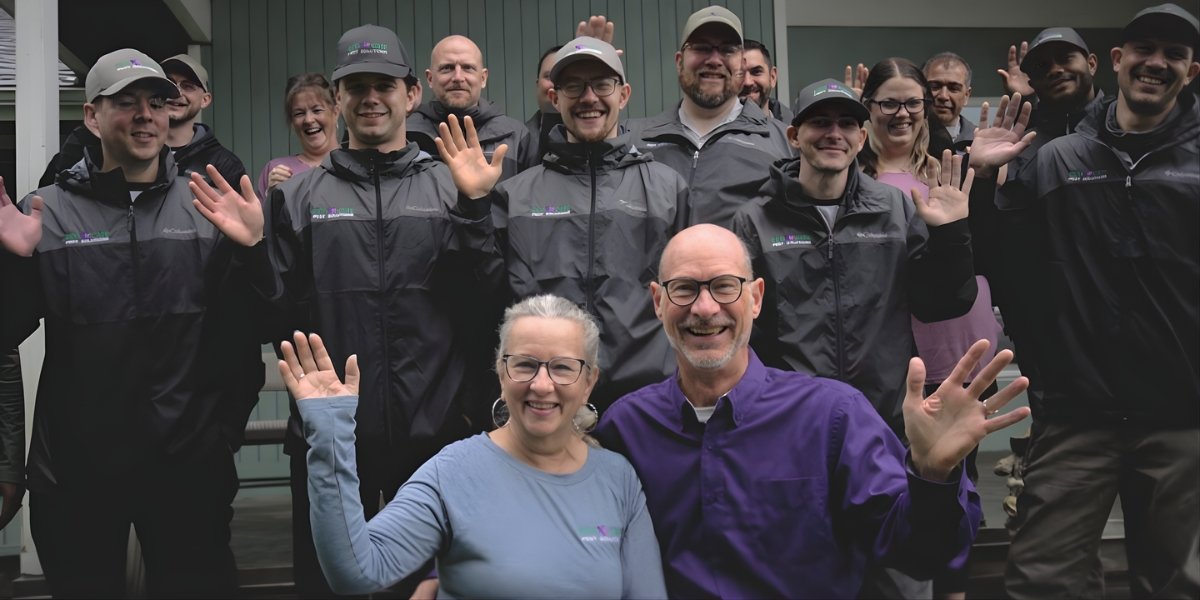
EcoCare Pest Control is raising the standards for residential pest control with a comprehensive, in‑house approach to rodent removal, exclusion, and full crawlspace and attic restoration. Unlike companies that outsource key parts of the job, EcoCare handles every service with its own trained technicians. That single‑team accountability can reduce delays, eliminate hand‑offs, and give homeowners a single point of contact from the first inspection through final cleanup. Homeowners can explore services and request a free in‑home estimate directly from the EcoCare Pest Control website.

Step 1: Inspection and Removal

Every project begins with a thorough inspection of the attic, crawlspace, and exterior. Teams check for entry points, nesting, chewed insulation or wiring, and the odor trails that often betray hidden activity. Once the picture is clear, EcoCare removes rats and mice using methods designed to be safe for families and pets. Customers receive clear explanations and photos that document what was found and what will be done.

Step 2: Rodent Proofing at the Source

Rodents can slip through a hole the size of a quarter, so long‑term success largely depends on closing every access point. EcoCare seals the foundation, rooflines, dormers, and vent wells, and recommends protective add‑ons such as gutter guards, solar panel screening, and targeted bird‑proofing where needed. The goal is not a temporary reduction. The goal is a home that remains sealed.

Step 3: Cleanout and Restoration

Rodent invasions often contaminate the spaces they touch. EcoCare restores those areas by removing soiled insulation and vapor barriers, sanitizing and deodorizing, replacing insulation with energy‑efficient materials, and repairing damaged ductwork, hatches, and vents. Workmanship is carried out by professionals and supported by a satisfaction‑focused service model.

Eco‑Friendly Pest Insurance for Every Season

Beyond one‑time projects, EcoCare’s Pest Insurance program delivers four seasonal treatments that target what is most active when it matters. Ants surge in spring, wasps in summer, spiders and rodents in the fall. Treatments are scheduled in advance, designed to minimize environmental impact, and are safe for people and pets, which means families can stay home while service is underway. The program covers interior and exterior spaces, including crawlspaces and attics, and is backed by a commitment to satisfaction that can reduce callbacks while keeping homes protected year‑round.

Transparent Service Without Pressure

EcoCare operates with a simple approach: educate first, never scare, and never lean on high‑pressure sales tactics. The company does not door-knock. Technicians take the time to explain options, provide photographs, and let homeowners choose the solution that ideally fits their goals and budget. As Nadia Padzensky put it, “Patrick just did a free inspection for us and was so kind and helpful. He identified a couple of small issues we’ve got and told me exactly what I could do to take care of them myself.” That review praised the team’s quick communication from booking to arrival and concluded, “If we ever need pest control in the future, these folks will definitely be my very first call.”

Real Results From Local Technicians

Homeowners often highlight EcoCare’s calm, professional field teams. Alison DeRiemer wrote, “Jimmy did a fantastic job getting two baby squirrels out of our fireplace. It was a bit stressful, but he stayed calm and reassuring, and his expertise was clear,” and she appreciated the humane approach. Nick Barker noted, “Our technician, Austen, was absolutely fantastic. He thoroughly explained each step, pointed out what to watch for, and answered all my questions with patience and expertise.” Feedback like this reflects a culture that trains for thoroughness and communication as much as technical skill.

Soon Rolling Out: 30‑Day Rodent EcoSeal Program

To help shorten time‑to‑resolution, EcoCare is developing its 30‑Day Rodent EcoSeal Program. When customers enroll and follow prevention steps, the company’s aim is to remove active rodents, seal every entry point, sanitize affected areas, and complete repairs and restoration within 30 days. The proposed plan is designed to keep accountability clear. If signs remain after 30 days, EcoCare will retreat the home at no charge and contribute toward rodent‑related damage, along with a customer inconvenience credit. As the program rolls out, details will be finalized and communicated transparently so homeowners can know exactly what to expect.

Homeowners who want to see service walk‑throughs, tips, or educational clips can visit EcoCare’s official YouTube channel, and those who prefer community updates and customer stories can follow the company’s Facebook page.

About EcoCare Pest Control

EcoCare Pest Control is a locally owned and family-operated residential service provider focused on permanent exclusion and eco‑conscious treatments. The company delivers free in‑home estimates, professional service from technicians, warrantied repairs, and a BBB A+ ethos of accountability. With an in‑house approach to rodent removal, exclusion, and full crawlspace and attic restoration, EcoCare gives homeowners a single trusted partner for inspection, repair, and long‑term protection.


Fall Fun in Portland: Must-Visit Pumpkin Patches This Season

Pumpkin patches are back in full swing across Portland, and this season’s lineup is packed with hayrides, cider stands, and photo ops that capture everything locals love about fall in Oregon. Whether residents are chasing the perfect gourd, planning a weekend outing with the kids, or simply looking for an excuse to wear flannel and sip something warm, the region’s top spots deliver the kind of seasonal magic that defines autumn in the Pacific Northwest.

From Sauvie Island’s sprawling farms to cozy corners in Washington County, pumpkin patches around Portland offer more than just pumpkins, they’re immersive fall experiences. With cooler temperatures and peak foliage rolling in, now is the ideal time to plan a visit.

Pumpkin Patches Portlanders Return to Year After Year

Hoffman Farms in Scholls remains a staple for many Portland families. Known for its scenic fields, fresh donuts, and laid-back atmosphere, the farm offers a well-organized, family-friendly pumpkin patch with wheelbarrows for hauling, a farm store stocked with jams and pies, and plenty of space to explore without feeling crowded.

Bella Organic Farm on Sauvie Island brings an eco-conscious flair to the fall season. Its pumpkin patch is paired with a haunted corn maze, organic produce stands, and tractor rides that appeal to both families and couples. Seasonal wine tastings and cider flights offer adults a reason to linger while children roam the fields.

Fall Fun in Portland Must-Visit Pumpkin Patches This Season

Photo Credit: Unsplash.com

Topaz Farm, also located on Sauvie Island, provides a curated fall experience. Visitors can enjoy live music on weekends, food trucks featuring locally sourced menus, and a corn maze that’s just challenging enough to be fun without frustration. The farm’s commitment to sustainability makes it a favorite among Portland’s environmentally minded crowd.

Fall Festivals and Family-Friendly Attractions

Many pumpkin patches around Portland double as fall festivals. Milwaukie Farms hosts a weekend event featuring bounce houses, craft booths, and a pumpkin slingshot that’s become a crowd favorite. Families with younger children can expect face painting, caramel apples, and plenty of photo-ready backdrops.

Liepold Farms in Boring, Oregon, offers a more expansive experience. Its pumpkin patch is part of a larger celebration that includes a five-acre corn maze, beer garden, and live entertainment. Though it’s a bit farther from central Portland, the farm’s decades-long tradition and attention to detail make it worth the drive.

For those seeking a quieter outing, Lippincott Pumpkin Farm in Hillsboro provides a more relaxed atmosphere. With fewer crowds and a welcoming vibe, it’s ideal for visitors looking to enjoy fall colors, snap a few photos, and pick a pumpkin without the hustle of a larger event. Weekday visits are especially peaceful.

Scenic Drives and Seasonal Pairings

One of the highlights of visiting pumpkin patches in Portland is the scenic drive. Many farms are nestled in picturesque pockets of the Willamette Valley or along the Columbia River Gorge. Weekend outings often include stops at local wineries or hikes through Forest Park, making the experience even more memorable.

Sauvie Island, in particular, offers stunning views during the fall. The drive is lined with changing leaves, quiet waterways, and roadside farm stands selling everything from squash to honey. Visitors heading that way may want to review Portland’s essential visitor tips to make the most of their trip.

East of the city, the Columbia River Gorge provides a breathtaking backdrop for any pumpkin patch visit. With fall foliage at its peak, the area’s natural beauty adds a layer of magic to the outing. Timing is key, and those planning a trip should check when to go to catch the colors at their most vibrant.

Local Flavor, Seasonal Treats, and Photo-Worthy Moments

Pumpkin patches in Portland are known for their visual appeal. Rows of pumpkins, rustic barns, and golden hour lighting make for perfect photo opportunities. Portland Children’s Farm adds to the charm with pony rides and a mini pumpkin decorating station, ideal for young children and craft-loving adults.

Food is another major draw. While apple cider donuts, kettle corn, and hot cocoa are standard offerings, some farms take it further. Moulton Farms features a rotating menu of seasonal pies, savory soups, and locally roasted coffee. Their farm store is stocked with Oregon-made goods, turning a quick visit into a full afternoon of local shopping.

Smaller, family-run patches also contribute to the region’s fall flavor. These spots often offer homemade treats, fresh produce, and handcrafted goods that reflect Oregon’s agricultural heritage. Though they may lack the crowds and signage of larger farms, they deliver charm and authenticity in spades.

Navigating Portland’s Pumpkin Patch Scene

With more than 25 pumpkin patches in the Portland metro area, planning ahead is essential. Weekends tend to be busy, so weekday visits offer shorter lines and easier parking. Many farms require advance tickets for special events or nighttime corn mazes, and it’s wise to check websites for pet policies, stroller access, and weather updates, especially with Oregon’s unpredictable rain.

Visitors should dress in layers, bring cash (as some spots are cash-only), and pack a reusable tote for their pumpkin haul. Mapping out a route can help avoid backtracking, especially for those planning to visit multiple patches. And boots are a must, mud is part of the charm, but soggy sneakers are not.

Families may want to prioritize patches with play areas and kid-friendly activities. Groups of friends might prefer spots with food trucks or live music. And for those chasing the perfect pumpkin photo, golden hour lighting and off-peak hours are the best bet.

The Power of Emotional Engineering in Copywriting by Illuminate Digital

By: Michael Beas

For Callum Davies, founder of Illuminate Digitl, copywriting is not simply about arranging words on a page. It is about engineering experiences that bypass logic and trigger emotion. Within his Knee Jerk Method™, this philosophy is most evident in the second stage—Impossible to Stop Reading—where stories grip attention, and in the third stage—Impossible to Not Buy—where offers become irresistible.

Davies’ argument is straightforward: logic may justify decisions, but emotion makes them. Great copy, therefore, is less a matter of information and more a matter of engineering feeling.

The Limits of Logic

In many industries, professionals assume that buyers are rational actors. They focus on features, statistics, and comparisons, convinced that better data will sway the audience. But research consistently shows otherwise. Studies in behavioral economics reveal that people rarely buy the “best” product by objective standards. They buy the product that feels right.

Davies frames it even more bluntly: “Logic convinces people they could buy. Emotion makes them feel they must.”

This distinction is why so much technically accurate copy fails. Facts alone lack the spark that ignites decision.

The Role of Emotional Triggers

Emotion-driven copy doesn’t emerge by chance. Davies describes it as a form of emotional engineering—deliberately shaping words, stories, and offers to activate specific responses.

Key triggers include:

  • Curiosity – The drive to resolve uncertainty.
  • Fear – The instinct to avoid pain, loss, or regret.
  • Aspiration – The desire to grow, improve, or elevate status.
  • Belonging – The need to connect with a tribe or identity.
  • Relief – The longing for a solution to end frustration or struggle.

By weaving these triggers into copy, writers ensure that readers don’t just understand the message—they feel it.

Stories as Emotional Blueprints

The most reliable way to engineer emotion, Davies insists, is through story. Facts may inform, but stories immerse. When readers see themselves in a narrative, they experience the emotions of the protagonist as if firsthand.

This immersion explains why copy written as story can sustain attention for thousands of words. Readers are not analyzing; they are living. And when they live the story, the emotional pull toward the offer becomes almost irresistible.

The Offer as Identity

Emotion reaches its peak at the moment of the offer. Here, Davies highlights the concept of identity. People do not simply buy products—they buy ways of seeing themselves.

An offer that aligns with identity transforms the decision from a transaction into self-expression. It allows buyers to say, I am the kind of person who invests in this. That sense of alignment generates pride, anticipation, and social validation—all powerful emotional rewards.

This is why Davies warns against framing offers purely in functional terms. Features may matter, but the emotional resonance of identity is what drives decisions.

Mistakes in Emotional Engineering

Like any craft, emotional engineering has pitfalls. Davies notes three common errors:

  1. Overreliance on Fear – While fear can trigger urgency, leaning on it too heavily risks manipulation and distrust.
  2. Generic Emotion – Vague appeals to “happiness” or “success” lack the specificity to truly connect.
  3. Ignoring Resolution – Stirring emotion without offering a satisfying path forward leaves readers agitated, not compelled.

The remedy, he explains, is balance. Effective copy stirs emotion but channels it toward resolution—the offer that provides relief, fulfillment, or transformation.

The Ethical Edge

Some may question whether emotional engineering borders on manipulation. Davies responds by drawing a distinction between exploitation and alignment.

Exploitation occurs when emotion is used to pressure people into choices that do not serve them. Alignment occurs when emotion is used to highlight solutions that genuinely improve lives.

For Davies, ethical persuasion is non-negotiable. Emotional engineering should honor the reader, not deceive them. This is why his framework emphasizes transformation as the final stage: copy should leave readers better off, not worse.

The Professional Parallel

The principle of emotional engineering applies far beyond marketing. Leaders inspire not through spreadsheets but through vision. Teachers spark curiosity not by reciting facts but by telling stories. Entrepreneurs win investors not with data alone but with the emotional pull of possibility.

In every case, influence arises not from logic alone, but from the emotions woven into the message.

The Writer’s Discipline

Engineering emotion requires skill and practice. Davies encourages writers to study human behavior, to observe the emotions that drive decisions in daily life. Why do people line up overnight for new technology? Why do they pay premiums for certain brands? Why do they follow some leaders but not others?

The answers are rarely logical. They are emotional. And for the copywriter, each observation becomes a tool to craft words that resonate more deeply.

The Long Game of Emotion

While emotion drives immediate action, its impact also compounds. A reader who feels understood returns. A buyer who feels proud becomes a repeat customer. A community that feels connected becomes loyal.

Davies frames this as the long game: emotion is not only the spark of decision but the glue of retention.

Closing Thought

Copywriting as emotional engineering reframes persuasion from a mechanical process into a human one. Logic may inform decisions, but emotion carries them across the finish line.

For Callum Davies, the challenge to professionals is clear: stop writing for what people think and start writing for what they feel.

Because when copy activates emotion, it doesn’t just inform—it transforms. And that, in the end, is the essence of the Knee Jerk Method™.

The Rise of Tech Employment in Portland

Over the past decade, Portland, Oregon, has emerged as a thriving hub for the technology sector, positioning itself as a vital contributor to the U.S. tech landscape. Known for its vibrant culture and commitment to sustainability, the city has successfully leveraged its unique identity to attract tech companies, entrepreneurs, and professionals. The rapid growth of tech employment in Portland has not only bolstered its economy but also brought about challenges and opportunities that continue to shape its future. This article delves deeply into the factors driving Portland’s rise as a tech city, its economic and social impact, and the road ahead.

Expansion of the Tech Talent Pool

Rapid Growth

Portland’s tech workforce has experienced impressive growth over the past decade. Between 2010 and 2013, the city saw a remarkable 28% increase in its tech talent pool, a rate that outpaced established hubs like Silicon Valley, Austin, and Los Angeles. This surge is indicative of Portland’s growing appeal as an alternative destination for tech professionals seeking opportunities outside the traditional hotspots.

One factor contributing to this growth is Portland’s affordability compared to cities like San Francisco and Seattle. Lower living costs, combined with a high quality of life, have made Portland an attractive option for tech workers looking to balance career opportunities with personal well-being.

National Ranking

By 2014, tech jobs accounted for 4.7% of Portland’s total employment, earning the city the 14th spot among the 50 largest U.S. cities in terms of tech job concentration. This ranking underscores Portland’s rising prominence in the tech ecosystem and its ability to attract both talent and investment. As more companies establish a presence in the city, the concentration of tech jobs is expected to grow further, solidifying Portland’s position as a tech destination.

Economic Impact

Contribution to Employment

The tech industry has become a major driver of job creation in Portland. In the two years leading up to 2014, tech jobs accounted for 12.6% of all new office positions in the city. This rapid expansion has provided a significant boost to the local economy, creating opportunities not only within the tech sector but also in related industries such as real estate, hospitality, and retail.

The ripple effects of tech employment extend beyond direct job creation. For example, the demand for services such as coworking spaces, tech incubators, and professional networking events has increased, fostering an ecosystem that supports entrepreneurship and innovation.

Influence on Real Estate

The influx of tech companies and professionals has had a profound impact on Portland’s real estate market. On the commercial side, the demand for office space has driven up property values, leading to increased development in neighborhoods such as the Pearl District and downtown Portland. On the residential side, the arrival of higher-income tech workers has influenced housing prices, creating both opportunities and challenges for local residents.

While the growth in real estate has benefited developers and property owners, it has also raised concerns about affordability. Addressing these challenges will be critical to ensuring that Portland remains an inclusive and accessible city for all.

Challenges in the Tech Labor Market

The Rise of Tech Employment in Portland

Photo Credit: Unsplash.com

Competitive Hiring Environment

As Portland’s tech sector has grown, so has the competition for skilled talent. Companies are vying for top-tier professionals in areas such as software development, data analysis, and cybersecurity. This intense competition has led to higher salaries and benefits, making it more challenging for smaller firms and startups to attract and retain employees.

In response, many companies are investing in employee development programs, flexible work arrangements, and unique workplace cultures to differentiate themselves in the labor market. However, sustaining this momentum will require continued innovation in recruitment and retention strategies.

Diversity Concerns

One of the most significant challenges facing Portland’s tech industry is the lack of diversity, particularly in terms of gender and ethnicity. Some companies report workforces that are up to 80% male, especially in technical roles such as engineering and software development. This lack of representation limits the industry’s potential for innovation and inclusivity.

Efforts to address this issue include initiatives to support women and underrepresented groups in tech through mentorship programs, scholarships, and partnerships with educational institutions. These initiatives aim to create a more equitable tech ecosystem that reflects the diversity of Portland’s broader community.

Integration of Hardware and Software Sectors

Collaborative Efforts

Portland’s tech industry is unique in its integration of both hardware and software sectors. Companies specializing in hardware, such as semiconductors and electronics, coexist with those focused on software development, creating opportunities for collaboration. However, integrating these sectors has proven challenging due to differences in operational priorities and workflows.

Despite these challenges, successful integration could position Portland as a leader in holistic tech solutions, where hardware and software innovations complement each other. Efforts to bridge this gap include joint ventures, cross-sector partnerships, and initiatives to foster dialogue between the two industries.

Supportive Ecosystem

Public-Private Collaboration

Portland’s rise as a tech hub has been supported by a strong partnership between public entities and the private sector. Initiatives such as tax incentives for tech companies, grants for startups, and investments in infrastructure have created a conducive environment for business growth.

The city’s focus on sustainability has also played a role in attracting environmentally conscious tech firms. Programs that promote green energy, waste reduction, and sustainable development align with Portland’s values, making it an ideal location for companies prioritizing corporate social responsibility.

Future Outlook

Continued Growth

The future of Portland’s tech sector looks promising, with projections indicating continued growth in employment, investment, and innovation. Factors driving this growth include the city’s expanding talent pool, its reputation as a livable city, and its ability to attract companies seeking alternatives to traditional tech hubs.

Portland’s tech sector is also expected to diversify, with emerging fields such as artificial intelligence, blockchain, and clean technology gaining traction. This diversification will not only create new opportunities but also position Portland as a forward-thinking leader in the global tech landscape.

The rise of tech employment in Portland is a testament to the city’s adaptability, innovation, and commitment to fostering a thriving business ecosystem. From the rapid expansion of its talent pool to the economic benefits of job creation, Portland has established itself as a dynamic player in the U.S. tech industry. However, challenges such as competitive hiring, diversity gaps, and affordability concerns must be addressed to ensure sustainable growth.

By continuing to foster collaboration between hardware and software sectors, supporting public-private partnerships, and embracing diversity, Portland can solidify its position as a leading tech hub. As the city navigates its future, the ability to balance growth with inclusivity will be key to unlocking its full potential in the technology sector.