Portland News

Portland’s Guide to Eye Care: The Importance of Regular Exams

In Portland’s wellness-minded community, eye care is gaining recognition as an essential part of everyday health. From long hours at work to outdoor adventures and screen-heavy routines, residents are realizing that regular eye exams can support comfort, clarity, and long-term visual wellness. While often overlooked, eye care plays a quiet but important role in helping people stay focused, productive, and engaged.

Why Eye Care Deserves a Spot in Your Routine

Vision is central to how we navigate the world, yet many Portlanders wait until discomfort arises before scheduling an exam. Eye care professionals often recommend routine checkups to help monitor changes in vision and offer guidance on maintaining eye comfort. These visits can also provide insight into how lifestyle habits, like screen time or reading posture, might be affecting your eyes.

While exams may occasionally reveal signs of broader health concerns, they’re primarily a chance to check in, ask questions, and get personalized advice. In a city that values proactive wellness, eye care fits naturally alongside nutrition, fitness, and mental health.

The Everyday Benefits of Regular Eye Exams

Eye care isn’t just about prescriptions, it’s about prevention and peace of mind. Regular exams can help identify subtle shifts in vision, reduce strain, and improve overall comfort. For Portland residents who spend hours in front of screens or enjoy detailed hobbies like crafting or photography, these check-ins can be especially helpful.

Many optometrists offer tips for reducing eye fatigue, such as adjusting lighting, using blue light filters, or following the 20-20-20 rule: every 20 minutes, look at something 20 feet away for 20 seconds. These small habits can make a noticeable difference in how your eyes feel throughout the day.

Digital Strain and the Portland Workday

With Portland’s growing tech and remote work sectors, screen time is a daily reality. Extended use of digital devices can lead to dryness, tension, and visual fatigue. Eye care providers often help patients explore solutions tailored to their routines, whether that’s adjusting monitor height, using lubricating drops, or exploring lens options.

For those experiencing discomfort during work hours, this overview of dry eye risks offers practical insights into how screen-heavy schedules can affect eye comfort and what steps might help.

Reading Habits and Eye Health

Portland’s love of books is legendary, but even the most devoted readers can experience eye strain after long sessions. While reading itself isn’t harmful, poor lighting, posture, or extended focus can lead to temporary discomfort. Eye care professionals often suggest taking breaks, adjusting lighting, and using supportive lenses when needed.

For more on how reading habits intersect with eye care, this discussion on reading and vision explores common myths and offers gentle guidance for book lovers.

Children’s Eye Care and Learning Support

For Portland families, eye care plays a quiet but meaningful role in supporting children’s learning. Vision challenges can sometimes affect focus, confidence, or classroom engagement. Routine exams help ensure that kids are seeing clearly and comfortably, whether they’re reading, playing sports, or exploring the outdoors.

Pediatric eye care often includes screenings for common issues like nearsightedness or coordination challenges. Early support can make a big difference in how children experience school and social activities.

Aging and Eye Comfort in Portland

As Portland’s population ages, many residents are exploring ways to maintain visual comfort and independence. Age-related changes in vision are common, and regular eye care can help people adapt with confidence. Whether it’s updating prescriptions, exploring new lens options, or adjusting lighting at home, these small shifts can support everyday ease.

Optometrists may also offer suggestions for navigating tasks like driving, reading, or using digital devices more comfortably. In a city that values active aging, eye care helps residents stay engaged and empowered.

Choosing the Right Eye Care Provider

Portland offers a wide range of eye care options, from independent optometrists to larger clinics. Choosing a provider often comes down to personal preferences, location, and the kind of care you’re looking for. Many residents appreciate practices that offer personalized service and a strong connection to the community.

Portland's Guide to Eye Care: The Importance of Regular Exams

Photo Credit: Unsplash.com

When selecting an eye care provider, consider factors like appointment availability, technology used, and patient reviews. Some clinics offer same-day glasses, advanced imaging, or specialty services like contact lens fittings and vision therapy.

Access and Affordability

Eye care in Portland is supported by a variety of insurance plans, including employer-sponsored coverage, Medicare, and Medicaid. Many providers offer flexible payment options or sliding scale fees. Community clinics and nonprofit organizations also help ensure that care is accessible to all.

Understanding your coverage and scheduling regular checkups can help you stay ahead of potential issues and enjoy greater comfort in daily life.

Eye Care as Everyday Wellness

In Portland, where wellness is a way of life, eye care is becoming a natural part of the conversation. Whether you’re managing screen time, supporting your child’s learning, or simply looking to feel more comfortable day to day, regular eye exams offer a simple way to stay proactive.

By making eye care part of your routine, you’re investing in clarity, comfort, and confidence, values that Portlanders hold close. In a city that sees beauty in every detail, protecting your vision is a choice that reflects both self-care and community spirit.

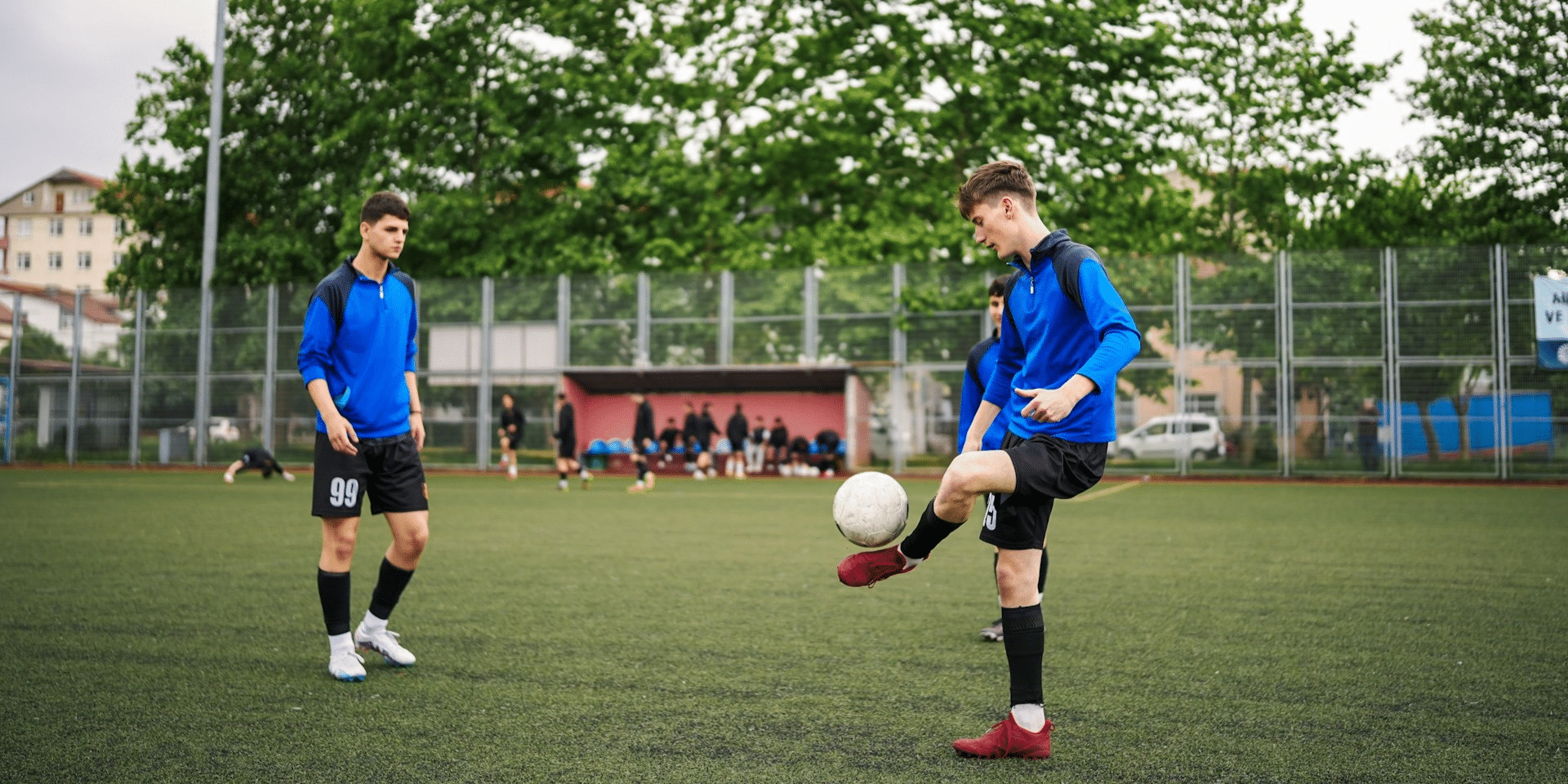
Portland’s Love for Soccer: A Cultural Shift That’s Here to Stay

Soccer has long been considered a global sport, but in Portland, it’s become something more, a cultural movement that continues to shape the city’s identity. From packed stadiums to grassroots youth leagues, Portland’s love for soccer reflects a shift in how residents connect with sport, community, and each other. What was once a niche interest has evolved into a defining feature of local life, and the momentum shows no signs of slowing.

The Rise of Soccer in Portland

Portland’s soccer story is rooted in decades of community engagement. While the sport has been played in the city for over a century, its popularity surged in the late 20th century with the emergence of local clubs and amateur leagues. These early efforts laid the groundwork for a thriving soccer culture that now spans generations.

The arrival of professional teams like the Portland Timbers and Portland Thorns elevated the sport’s visibility. With passionate fan bases and sold-out matches, these clubs helped transform soccer from a weekend pastime into a citywide obsession. The Timbers Army, known for its chants, flags, and unwavering loyalty, exemplifies how deeply soccer resonates with Portlanders.

Soccer as a Community Connector

Soccer in Portland is more than a game, it’s a connector. Neighborhoods rally around local teams, families spend weekends at youth matches, and fans gather in pubs to watch international tournaments. The sport has become a shared language across age groups, backgrounds, and neighborhoods.

This sense of connection is especially evident in how teams prepare for high-stakes moments. Whether it’s a high school playoff or a professional championship, preparation is both strategic and emotional. A closer look at how Portland teams gear up for crucial matches can be found in this overview of team readiness, which highlights the dedication behind the scenes.

Youth Soccer and the Next Generation

One of the most powerful drivers of Portland’s soccer culture is youth participation. Schools, clubs, and community centers offer programs that introduce children to the sport early, fostering both skill development and social growth. As more families prioritize active lifestyles and team-based activities, soccer has emerged as a top choice.

The growing interest in Portland’s high school soccer scene reflects this shift. Competitive programs are expanding, and student-athletes are gaining recognition for their talent and leadership. This trend is explored further in this look at youth soccer engagement, which underscores the sport’s role in shaping future leaders.

Youth soccer also promotes inclusivity. With relatively low equipment costs and flexible formats, the sport is accessible to a wide range of participants. This accessibility helps ensure that Portland’s soccer culture remains diverse and community-driven.

Soccer’s Influence on Local Identity

Soccer has become a symbol of Portland’s values, collaboration, resilience, and creativity. The sport’s emphasis on teamwork and strategy mirrors the city’s approach to problem-solving. Whether on the pitch or in the boardroom, Portlanders value cooperation and shared success.

Local businesses have embraced soccer as part of their branding and outreach. Breweries host match-day events, apparel companies design team-inspired gear, and restaurants offer themed menus during major tournaments. These efforts reflect how deeply soccer is woven into the city’s cultural fabric.

Even urban planning has been influenced. Parks and recreational spaces now prioritize soccer fields and futsal courts, responding to demand from residents. These investments signal that soccer is not just a trend, it’s a permanent part of Portland’s landscape.

Fan Culture and Civic Pride

Portland’s soccer fans are among the most passionate in the country. Their energy transforms stadiums into arenas of celebration, protest, and unity. Chants echo through the city, flags wave from balconies, and murals honor beloved players. This fan culture fosters civic pride and strengthens community bonds.

Supporters also engage in activism, using soccer as a platform for social change. From fundraising for local causes to advocating for equity in sports, Portland’s soccer community is both vocal and values-driven. Their efforts demonstrate that fandom can be a force for good.

The city’s embrace of women’s soccer is particularly notable. The Portland Thorns have set attendance records and inspired a new generation of female athletes. Their success reflects Portland’s commitment to gender equity and inclusive representation in sport.

Technology and the Modern Soccer Experience

Technology has enhanced how Portlanders engage with soccer. Streaming platforms, mobile apps, and social media allow fans to follow matches, analyze plays, and connect with fellow supporters. These tools have expanded access and deepened engagement, especially among younger audiences.

Portland’s Love for Soccer: A Cultural Shift That’s Here to Stay

Photo Credit: Unsplash.com

Local developers have even created soccer-specific apps that track player stats, schedule matches, and facilitate team communication. These innovations reflect Portland’s tech-savvy spirit and its ability to blend tradition with modernity.

As digital tools evolve, they will continue to shape how soccer is experienced, from virtual coaching to AI-powered performance analysis. Portland’s openness to innovation ensures that its soccer culture remains dynamic and future-ready.

Challenges and Opportunities Ahead

Despite its growth, Portland’s soccer culture faces challenges. Rising costs, limited field availability, and competition from other sports can strain resources. However, the city’s commitment to collaboration and community offers a path forward.

Public-private partnerships, expanded youth programs, and investment in infrastructure will be key to sustaining momentum. By addressing barriers and fostering inclusivity, Portland can ensure that soccer remains a source of joy and connection for all.

Soccer as a Lasting Cultural Shift

Portland’s love for soccer is not a passing phase, it’s a cultural shift that reflects the city’s heart. From grassroots leagues to professional triumphs, the sport has become a lens through which Portlanders see themselves and their community.

As the city continues to grow and evolve, soccer will remain a constant, uniting neighbors, inspiring youth, and celebrating the values that make Portland unique. Whether cheering from the stands or kicking a ball in the park, residents are part of a movement that’s here to stay.

Exploring Portland’s Craft Beer Culture: The Heart of Local Identity

Portland’s craft beer culture is more than a trend, it’s a defining feature of the city’s identity. From neighborhood taprooms to nationally recognized breweries, the region’s commitment to small-batch brewing, experimentation, and community connection has made it a model for cities across the U.S. The craft beer movement in Portland reflects the city’s independent spirit, environmental values, and love of local flavor.

The Roots of Portland’s Craft Beer Culture

Craft beer culture in Portland began as a grassroots movement. In the 1980s and 1990s, a handful of independent brewers challenged the dominance of mass-produced beer by focusing on quality ingredients, unique recipes, and local sourcing. What started as a niche quickly grew into a citywide phenomenon.

Today, Portland is home to more than 70 breweries, each with its own personality and approach. From the hop-forward IPAs of Breakside Brewery to the farmhouse ales at Upright Brewing, the diversity of styles reflects the creativity and passion of the city’s brewers. Many of these establishments are family-owned or employee-run, reinforcing the community-driven ethos of Portland’s craft beer culture.

Craft Beer as a Community Connector

One of the most powerful aspects of Portland’s craft beer culture is its ability to bring people together. Taprooms serve as informal gathering spaces where locals meet, share stories, and celebrate milestones. Events like brewery tours, release parties, and beer festivals foster a sense of belonging and pride.

Craft beer also plays a role in supporting local causes. Many Portland breweries partner with nonprofits, host fundraisers, or donate a portion of proceeds to community initiatives. This blend of business and activism reflects the city’s values and strengthens the bond between brewers and residents.

The city’s festival season often highlights this connection. As Portland prepares for its annual lineup of outdoor events, breweries become central to the experience, offering seasonal releases, pop-up tastings, and collaborative brews. A deeper look at how local businesses contribute to these celebrations can be found in this overview of Portland’s festival scene, which showcases the city’s vibrant cultural calendar.

Innovation and Experimentation in Brewing

Portland’s craft beer culture thrives on experimentation. Brewers regularly push boundaries with new ingredients, aging techniques, and hybrid styles. Sour beers, barrel-aged stouts, and hop blends are just the beginning. Some breweries even incorporate local fruits, herbs, and spices to create distinctly regional flavors.

This spirit of innovation extends beyond the beer itself. Many Portland breweries embrace sustainable practices, such as water conservation, composting, and energy-efficient brewing systems. Others experiment with digital tools to streamline operations or enhance customer engagement. The city’s broader tech scene, including its growing app development community, often intersects with the brewing industry in unexpected ways. For instance, some breweries collaborate with local developers to create loyalty apps or interactive tasting menus, a trend explored in this look at Portland’s tech ecosystem.

Craft Beer and Local Identity

Craft beer culture in Portland is deeply tied to the city’s identity. It reflects a commitment to authenticity, creativity, and independence. For many residents, choosing a local brew is an expression of pride and a way to support the community. The names of beers, the design of labels, and the stories behind each recipe often reference Portland landmarks, history, or cultural quirks.

This connection is especially strong in neighborhoods where breweries serve as anchors. In areas like Alberta, Sellwood, and St. Johns, taprooms are woven into the fabric of daily life. They host trivia nights, art shows, and food truck gatherings, creating spaces where culture and commerce coexist.

Craft beer also plays a role in tourism. Visitors often seek out brewery experiences as part of their Portland itinerary, drawn by the city’s reputation for quality and originality. Brewery maps, tasting passports, and guided tours help showcase the depth and diversity of Portland’s craft beer culture.

Education and Career Pathways in Brewing

The growth of Portland’s craft beer culture has created new opportunities for education and employment. Institutions like Portland State University and Oregon State University offer brewing science programs, while local workshops and apprenticeships provide hands-on training. These pathways support a new generation of brewers, many of whom bring fresh perspectives and global influences to the scene.

Career opportunities extend beyond brewing. Marketing, distribution, event planning, and hospitality are all part of the ecosystem. As the industry matures, Portland continues to attract talent from across the country, reinforcing its status as a hub for craft beer innovation.

Challenges and Resilience in the Industry

Like any industry, Portland’s craft beer culture faces challenges. Rising costs, supply chain disruptions, and increased competition have tested the resilience of local breweries. Yet the community’s support and adaptability have helped many businesses weather these storms.

Exploring Portland’s Craft Beer Culture: The Heart of Local Identity

Photo Credit: Unsplash.com

During the pandemic, for example, breweries pivoted to curbside pickup, outdoor seating, and digital ordering. These changes not only kept businesses afloat but also introduced new ways to connect with customers. The experience highlighted the importance of flexibility and reinforced the value of social capital within the industry.

The Future of Craft Beer Culture in Portland

Portland’s craft beer culture shows no signs of slowing down. As consumer tastes evolve and new technologies emerge, the industry is poised for continued growth and transformation. Collaborations between breweries, artists, and tech innovators will likely shape the next chapter of Portland’s brewing story.

Sustainability, inclusivity, and storytelling will remain central themes. Breweries that embrace these values will continue to thrive, serving not just great beer but meaningful experiences. Whether sipping a seasonal ale at a neighborhood taproom or exploring a new release at a citywide festival, Portlanders will keep raising their glasses to the culture that defines them.

Craft beer in Portland is more than a beverage, it’s a reflection of the city’s heart, history, and hope for the future.

Portland’s Downtown Struggles: Can Revitalization Bring Real Change?

Portland’s downtown has long been a symbol of the city’s creativity, independence, and civic pride. But in recent years, the area has faced mounting challenges, from economic disruption and public safety concerns to shifting work habits and retail vacancies. As city leaders, business owners, and residents rally around revitalization efforts, the question remains: can Portland’s downtown truly bounce back, and what will it take to make that change sustainable?

The Current Landscape of Portland’s Downtown

Portland’s downtown is still recovering from the ripple effects of the pandemic. Office buildings remain partially empty as remote work continues, and many storefronts have yet to reopen. While some areas have seen a return of foot traffic, others still struggle with visibility and engagement.

Recent data shows that pedestrian activity is slowly climbing back toward pre-pandemic levels. According to local reports, foot traffic in certain corridors has improved thanks to targeted events and seasonal programming. A closer look at foot traffic trends reveals that while momentum is building, consistency remains a challenge.

Economic Pressures and Business Closures

Small businesses are the backbone of Portland’s downtown, but many have faced closures or downsizing due to rising costs and reduced customer flow. Restaurants, boutiques, and service providers have had to adapt quickly, some shifting to online models, others relocating to neighborhoods with more stable foot traffic.

In the Pearl District, several long-standing establishments have shuttered, citing high rent and unpredictable demand. Meanwhile, newer ventures are experimenting with pop-up formats and shared retail spaces to reduce overhead. These adaptations reflect both resilience and the urgent need for structural support.

Public Safety and Perception Challenges

Concerns around public safety have also impacted Portland’s downtown. Issues related to homelessness, vandalism, and drug use have shaped public perception and deterred some visitors. While these challenges are not unique to Portland, their visibility in the downtown core has prompted calls for more coordinated responses.

City officials have increased patrols and launched outreach programs aimed at connecting vulnerable populations with services. Community organizations are working to improve lighting, cleanliness, and accessibility. These efforts are part of a broader push to restore confidence in Portland’s downtown as a safe and welcoming space.

The Role of Remote Work and Office Vacancies

The shift to remote and hybrid work has left a noticeable void in Portland’s downtown. Office towers that once buzzed with activity now operate at reduced capacity, affecting nearby businesses that relied on daytime traffic. This trend has forced property owners to rethink how commercial spaces are used.

Some buildings are being repurposed for mixed-use development, combining residential units with coworking hubs and retail. Others are exploring flexible leasing models to attract startups and nonprofits. These changes reflect a broader reimagining of Portland’s downtown as a multi-functional urban center.

Revitalization Strategies in Motion

Revitalization efforts are underway, with city planners, developers, and community leaders collaborating on new strategies. Initiatives include public art installations, pedestrian-friendly redesigns, and incentives for small business growth. Seasonal markets, cultural festivals, and outdoor dining zones are helping to reanimate public spaces.

A recent push to expand green infrastructure and improve transit access has also gained traction. These improvements aim to make Portland’s downtown more livable and environmentally resilient. Insights into growth strategies for downtown Portland highlight the importance of long-term planning and inclusive development.

Community Engagement and Local Leadership

Revitalization is not just about infrastructure, it’s about people. Community engagement plays a critical role in shaping the future of Portland’s downtown. Local leaders are hosting town halls, conducting surveys, and partnering with neighborhood associations to ensure that redevelopment reflects diverse needs.

Portland’s Downtown Struggles Can Revitalization Bring Real Change

Photo Credit: Unsplash.com

Artists, entrepreneurs, and activists are contributing to the conversation, advocating for equity, affordability, and cultural preservation. Their voices are helping to steer revitalization away from top-down planning and toward collaborative transformation.

Housing and Affordability in the Urban Core

Housing remains a central issue in Portland’s downtown recovery. As demand for urban living grows, affordability becomes a concern. New developments must balance market-rate units with affordable housing options to ensure inclusivity.

Some projects are incorporating micro-units, modular construction, and adaptive reuse to reduce costs. Others are partnering with housing nonprofits to secure funding and long-term affordability. These efforts aim to make Portland’s downtown accessible to a broader range of residents, not just high-income earners.

Cultural Anchors and Civic Identity

Portland’s downtown is home to cultural institutions that shape the city’s identity, from Powell’s Books and the Portland Art Museum to Pioneer Courthouse Square and the Saturday Market. These anchors play a vital role in drawing visitors and fostering civic pride.

Supporting these institutions through funding, programming, and promotion is essential to revitalization. When cultural spaces thrive, they create ripple effects across hospitality, retail, and tourism. They also reinforce Portland’s downtown as a place of connection and creativity.

Transportation and Accessibility Improvements

Improving transportation is another key component of revitalization. Portland’s downtown must be easy to access by foot, bike, transit, and car. Investments in TriMet service, bike lanes, and pedestrian infrastructure are helping to reduce congestion and encourage sustainable mobility.

Efforts to expand light rail access and improve ADA compliance are also underway. These upgrades support both economic activity and social inclusion, making Portland’s downtown more navigable for all residents and visitors.

Can Revitalization Deliver Real Change?

Revitalizing Portland’s downtown is a complex challenge, but it’s also an opportunity. The area’s struggles have sparked innovation, collaboration, and a renewed focus on what makes urban spaces thrive. Real change will require sustained investment, community input, and a willingness to adapt.

If Portland can balance economic growth with equity, safety with compassion, and innovation with preservation, its downtown has the potential to become stronger than ever. The path forward won’t be linear, but the momentum is building, and the city’s commitment to revitalization is clear.