Portland News

Dr. Connor Robertson on How Transit-Oriented Development Helps Shape the Future of Cities


By: Aurora Hadley

Cities are constantly evolving, and transportation plays a central role in how they grow. In recent years, Transit-Oriented Development (TOD) has emerged as a significant strategy to help create more connected, efficient, and livable urban areas. Dr. Connor Robertson, a real estate strategist who focuses on sustainable and community-focused planning, sees TOD as a way to align housing, jobs, and public transit in a manner that could benefit both people and the environment.

What Is Transit-Oriented Development?

Transit-Oriented Development is an urban planning approach that clusters housing, retail, office space, and public amenities within walking distance of a major public transit hub, such as a train station or rapid bus stop.

The goal is to reduce dependence on personal vehicles, increase public transit ridership, and create vibrant communities where residents can live, work, and play without long commutes.

The Core Principles of TOD

Dr. Robertson explains that successful TOD projects often share these characteristics:

  • High-density, mixed-use development – Buildings combine residential, commercial, and recreational spaces to make the area active throughout the day. 
  • Pedestrian-friendly design – Safe sidewalks, bike lanes, and minimal car traffic make it easier to move around on foot or by bike. 
  • Proximity to transit – The development is typically within a half-mile of a major public transit station. 
  • Public spaces – Parks, plazas, and greenways provide areas for community interaction.

Why TOD Matters for the Future of Cities

  • Reduces Traffic Congestion – Concentrating development near transit hubs could encourage people to leave their cars at home, potentially easing traffic and lowering emissions. 
  • Promotes Sustainability – With fewer cars on the road, cities may be able to reduce air pollution and greenhouse gas emissions. 
  • Supports Economic Growth – Businesses near transit stations could benefit from steady foot traffic, while residents may gain easier access to jobs and services. 
  • Improves Quality of Life – Shorter commutes could lead to more time for family, recreation, and personal pursuits.

TOD as a Housing Solution

As urban populations grow, cities face increasing pressure to provide housing without expanding into surrounding rural areas. TOD offers a way to increase housing supply without contributing to urban sprawl.

By building upward rather than outward, TOD allows more people to live close to jobs and amenities, which may be at a lower cost than owning a car and commuting from distant suburbs.

Economic Benefits of TOD

TOD has been shown to:

  • Increase property values near transit hubs. 
  • Boost local business revenue through higher customer traffic. 
  • Attract private investment to the surrounding areas.

Dr. Robertson notes that these benefits may help fund additional transit infrastructure, creating a positive feedback loop for economic growth.

Challenges in Implementing TOD

While the benefits are clear, TOD projects face challenges such as:

  • Zoning restrictions that limit building height or density. 
  • Community concerns about increased population density. 
  • Financing hurdles, as TOD projects often require significant upfront investment.

Dr. Robertson emphasizes the importance of community engagement and policy alignment to address these obstacles. When residents understand how TOD can improve the quality of life and property values, support often grows.

Case Studies of TOD in Action

Cities like Portland, Denver, and Washington, D.C. have implemented TOD with notable results. Neighborhoods built around transit hubs have experienced reduced traffic, stronger local economies, and increased housing supply.

Denver, for example, has used TOD to transform underutilized land around light rail stations into thriving mixed-use districts, a model Dr. Robertson believes other cities could replicate.

The Role of Public-Private Partnerships

Developing around transit hubs often requires collaboration between government agencies, transit authorities, and private developers. Public-private partnerships can align infrastructure funding with real estate development to maximize benefits.

Dr. Robertson sees these partnerships as crucial to scaling TOD and making it a standard part of urban planning.

Looking Ahead

As cities look to build greener, more efficient futures, TOD offers a potential path forward. By integrating housing, business, and public spaces around transit, communities could reduce environmental impact while improving accessibility and economic vitality.

“Transit-Oriented Development is about more than convenience,” says Dr. Robertson. “It’s about creating cities that could work better for everyone.”

Summary

Transit-Oriented Development represents a shift in how we think about urban growth. By centering communities around transit, cities have the potential to become more sustainable, economically vibrant, and enjoyable to live in.

For more on Dr. Robertson’s work and perspective, visit www.drconnorrobertson.com.
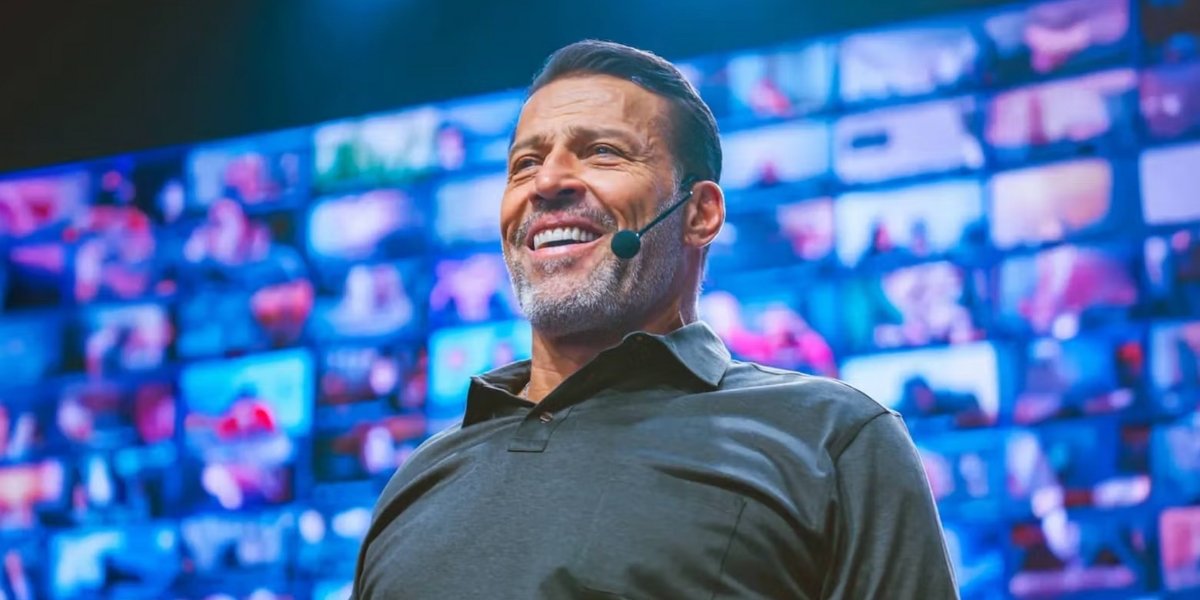
How Tony Robbins’ Business Coaching Turns Clock Punchers into Peak Performers

Terms like “quiet quitting” and “bare minimum Mondays” are trending, but it doesn’t have to be that way. When employees show up late, scroll social media during office meetings, and bolt for the exit at 5 p.m., you’re seeing symptoms of a deeper problem.

Tony Robbins has a solution. It’s not tighter supervision or another policy memo. It’s creating a workplace culture built on ownership, appreciation, and real human connection.

Through his business coaching programs, Robbins is empowering business owners and managers to transform checked-out teams into more engaged performers. He gives them the tools and systems to create what he calls a “Raving Fan Culture”—a company environment where employees are emotionally engaged and motivated to deliver their best work every day.

Build Ownership

In Robbins’ view, one of the biggest barriers to employee engagement is the leader who tries to do it all. “Your business will never outrun the emotional commitment of the people who power it,” he says. Yet many entrepreneurs operate as if they’re the only ones who can move the business forward. Every decision, every approval, every crisis funnels through them, and the team watches from the sidelines.

Robbins’ corporate coaching approach challenges that mindset. Instead of clinging to every task, leaders are taught to identify their zone of genius—the few things only they can do—and leverage their people to do the rest. But this isn’t about dumping responsibilities; it’s about giving team members ownership. That means granting them the authority to solve problems, make decisions, and drive outcomes.

Imagine a customer service manager who doesn’t need to wait for approval to fix a client issue—they’re trusted with a discretionary budget and the freedom to act. That level of ownership doesn’t just improve service; it sends a clear message: we trust and value you.

Radical Recognition

Empowering your team without recognizing their wins is like building a fire without fuel. Robbins believes recognition isn’t a once-a-year event, like the classic holiday party. It’s a daily opportunity to surprise your team with personalized recognitions or “jackpots.” These unexpected accolades build loyalty, engagement, and momentum.

Jackpots can be small and spontaneous: a surprise team lunch, a handwritten note, a $30 gift card for hitting a goal, or tuition for a training course someone casually mentioned during a meeting. Robbins encourages leaders to make celebration part of the company rhythm through public shoutouts, peer-to-peer praise, and micro-recognition moments that catch great work in real time.

When people feel seen, they lean in. They bring more initiative, more care, and more creativity to their work.

Know What Drives Your People

Let’s say you overwork a supervisor but give her ongoing bonuses. But what this supervisor wants most is more time with her family. That’s her “why,” and you’re missing the mark.

Robbins teaches that influence begins with insight. You can’t empower people effectively until you understand what motivates them personally. That’s why Robbins trains leaders to go beyond performance reviews and into deeper, more intentional connections with their teams.

He teaches a framework that starts with focused, one-on-one chats where the leader listens more than they speak. These chats reveal what employees truly value, what frustrates them, and what goals excite them. Leaders are also encouraged to use tools like personality assessments and casual “lunch and learn” sessions to get a clearer picture of each person’s unique drivers.

Robbins’ executive coaching reminds leaders, “To influence anyone, you must first discover what already influences them.” He teaches business leaders how to understand and respond to those influences for higher engagement, deeper loyalty, and longer retention.

Coaching That Fuels Culture

Robbins rose from poverty to become one of the world’s successful entrepreneurs. As a key player in more than 100 businesses with combined sales $9 billion annually, Robbins understands what it takes to empower workforces.

He pays his expertise forward through individual and team business coaching and popular business growth events like Business Mastery. Participants in these events have reported growth between 30 and 130% within a year—and much of this is attributed to empowering employees to be raving fans. Teams headed by Robbins-trained leaders describe feeling more aligned, committed, and fulfilled. They aren’t just clocking in—they’re contributing to something bigger than themselves.

Robbins offers a wake-up call: what looks like laziness is often just unfulfilled human need. People want ownership. They want to feel valued. They want to do meaningful work with people who believe in them.

Tony Robbins’ business coaching and events help entrepreneurs and managers meet those needs head-on. Even against cultural headwinds, leaders are turning the tides as employees stop working for the company and start working as the company. That’s when raving fan cultures—and breakthrough business results—are born.