Ann Russo Talks Religious Trauma & Finding Safe Therapy on Queer Theology

By: Greg Stone
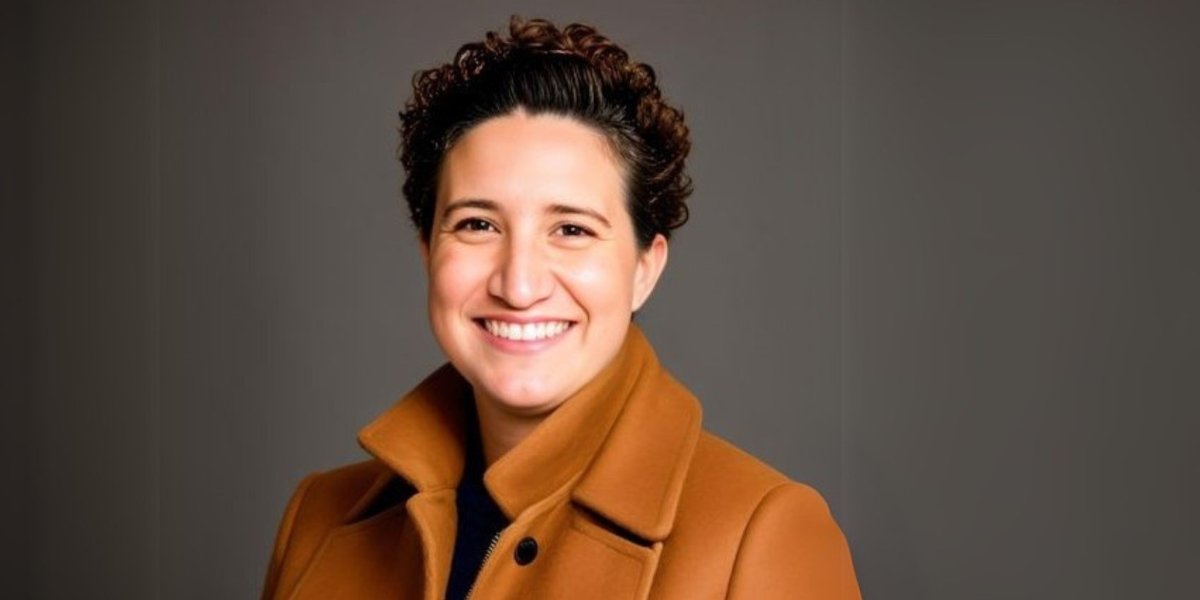
Author and mental health advocate Ann Russo recently sat down with Fr. Shannon Kearns, the host of the Queer Theology podcast, to discuss religious trauma, growth through discomfort, and the importance of finding safe, affirming therapists.
With a career dedicated to supporting LGBTQ+ individuals in their journey of healing from stigma and reclaiming their identities, Ann’s insights offer a thoughtful perspective for those grappling with faith, queerness, and self-acceptance.
Healing from Religious Trauma
Early in the conversation, Ann shares her personal experience of growing up in a queer household and struggling with internalized homophobia. Despite being raised in a loving and accepting environment, societal pressure and religious messaging led her to fear her own identity.
She describes how conservative Christian messaging shaped her early years, leading her to attempt to understand the anti-LGBTQ+ rhetoric from a firsthand perspective.
As a young adult, Ann immersed herself in evangelical spaces, attending conferences aimed at “converting” queer people—not because she believed in the message, but because she wanted to understand it.
“I knew that I wanted to help people not feel trapped here,” Ann explains. “[To] not feel harmed by the church.”
This passion led her to pursue religious studies, theology, and, eventually, therapy. She also emphasizes that, for many LGBTQ+ individuals, religious trauma can run deep.
The messages drilled into them from an early age—whether through explicit conversion therapy or more subtle forms of shaming—can create long-lasting effects. For some, even stepping into a progressive church might trigger feelings of anxiety or fear.
“There can be a literal fear reaction just in the idea of Christianity or Christ or people being Christians,” she says, noting that religious trauma is often likened to PTSD.
Discomfort as a Path to Growth
One of the most impactful moments in the conversation is when Ann discusses the role of discomfort in the healing process. She suggests that discomfort, while challenging, can be an important part of growth.
“Discomfort is often growth,” Ann says. “It doesn’t necessarily mean danger.”
She compares healing to the physical growing pains that children experience. “When you were literally growing, like your body was growing, did your legs ever hurt? You’re not unsafe,” she assures listeners. “It just feels uncomfortable. But the outcome may often lead to something beneficial.”
For LGBTQ+ individuals working through religious trauma or exploring non-traditional relationships, Ann stresses that discomfort is almost inevitable. Facing ingrained beliefs, questioning long-held fears, and challenging internalized shame may feel uncomfortable—but this discomfort can sometimes be a necessary part of the healing process.
Finding a Safe and Affirming Therapist
For those seeking therapy, Ann emphasizes that not all therapists are equipped to handle LGBTQ+ and religious trauma issues effectively.
“We have the sneaky therapist versus the uninformed harmful therapist,” she says. Some therapists may claim to be LGBTQ+-friendly but lack real experience or training, while others might subtly reinforce harmful religious messages. Because of this, she advises listeners to approach the search for a therapist with caution, much like a job interview.
“Ask questions. You are the therapist’s employer. They need to be prepared to answer.”
She encourages potential clients to inquire about the therapist’s education, training, and experience with LGBTQ+ issues and religious trauma.
Ann also stresses that truly affirming therapists go beyond simply stating that they’re safe. “What are they saying on their website that lets people know they’re okay there? What’s the language on their consent forms? What types of training have they done?”
These details matter, especially for individuals with previous negative experiences in therapy.
Building Support Systems and Finding Joy
Ann also highlights the importance of community and chosen family. Many LGBTQ+ people have complicated relationships with their biological families, but finding supportive, intergenerational queer friendships can be life-changing. “It can mean a lot to have a corrective experience with a parent figure if you’re having a difficult time with your biological parent,” she points out, recommending organizations like PFLAG as potentially valuable resources.
Ultimately, Ann’s work centers on helping people move beyond mere survival and into thriving.
“The goal is to just be better, to work on healing,” she says. Whether through therapy, education, or community support, she believes that every LGBTQ+ person has the right to live authentically, free from fear and shame.
You can listen to Ann’s full episode on the podcast here. Feel free to reach out to her via the links on her website or click here to subscribe to her newsletter.
Disclaimer: The information shared in this article is not intended to provide professional advice or serve as a substitute for counseling or therapy. The topics discussed, including religious trauma and therapy, are complex and personal. If you or someone you know is experiencing religious trauma or seeking support, it is important to consult with a qualified mental health professional who can offer guidance tailored to your individual needs.
Published by Drake M.