Portland News

How to Use Water Transfer Printing to Craft Home Decor

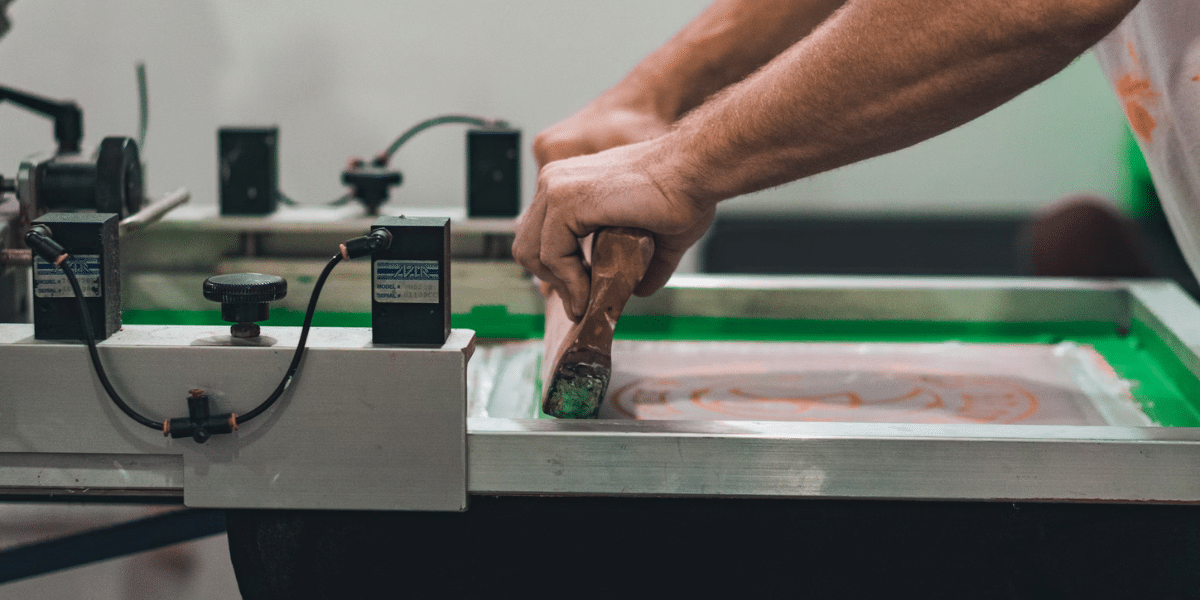
Water transfer printing is a creative technique that can transform ordinary home decorations into stunning, customized pieces of art. Whether you’re a DIY enthusiast or a professional crafter, mastering this technique can open up a world of design and decor possibilities. Read on to find out how to use the technique in your own home.

What is Water Transfer Printing?

Also known as hydrographic printing, the technique is a method of applying printed designs to three-dimensional objects. The process begins by placing a film with a printed pattern onto the surface of the water, then immersing that object in order to transfer the design. The technique can be used on a variety of objects, including plastic, metal, wood, and glass.

Materials Needed:

  • Water Transfer Printing Film
  • Activator solution
  • Base coat paint
  • Clear coat finish
  • Water container (must be large enough to submerge your item)
  • Latex gloves
  • Masking tape
  • Sandpaper
  • Primer (if using a porous item)

Step-by-Step Guide:

1. Prepare Your Item

After selecting your item, ensure it is free and clear of any dirt, grease, or dust by thoroughly washing it. If needed, you can lightly sand the surface to give the paint and film a better surface to adhere to. If the item is porous, now is the time to prime it and allow it to fully dry.

2. Base Coat

Apply a base coat of paint to the item and let fully dry. It is important to remember that the color of the base coat of paint will affect the final appearance of the design. As such, you may want to choose a color that will complement the pattern on your film.

3. Cut and Prepare the Film

Measure and cut the film so that it fits the surface of your item, ensuring the film is slightly larger than the item so that it covers all surfaces. Use masking tape to secure the edges of the film. This will ensure the film does not curl up when submerged in the water.

4. Activate the Film

Fill your water container with room-temperature water. Place the object on the surface of the water, printed side up, for 60 seconds. Spray the activator solution evenly over the film so that the film dissolves, turning into an inky layer.

5. Dip Your Item

Wearing latex gloves, slowly submerge the item at an angle, allowing the design to wrap around as you go. While submerged, move the item around to avoid air bubbles. Carefully lift the item out of the water. Rinse any excess film with new water.

6. Dry and Clear Coat

Allow the item to sit in an open area and completely dry. After the item has completely dried, apply a clear coat finish. This will protect the item and give it a finished look.

Water transfer printing is a fantastic way to customize home decor items, making them truly one-of-a-kind. Not only is water transfer printing affordable, but it allows you to choose films that will fit your design style. You can use neutral patterns, holiday-themed patterns, or whatever pattern speaks to you. Happy crafting!

Published by: Gracia M.
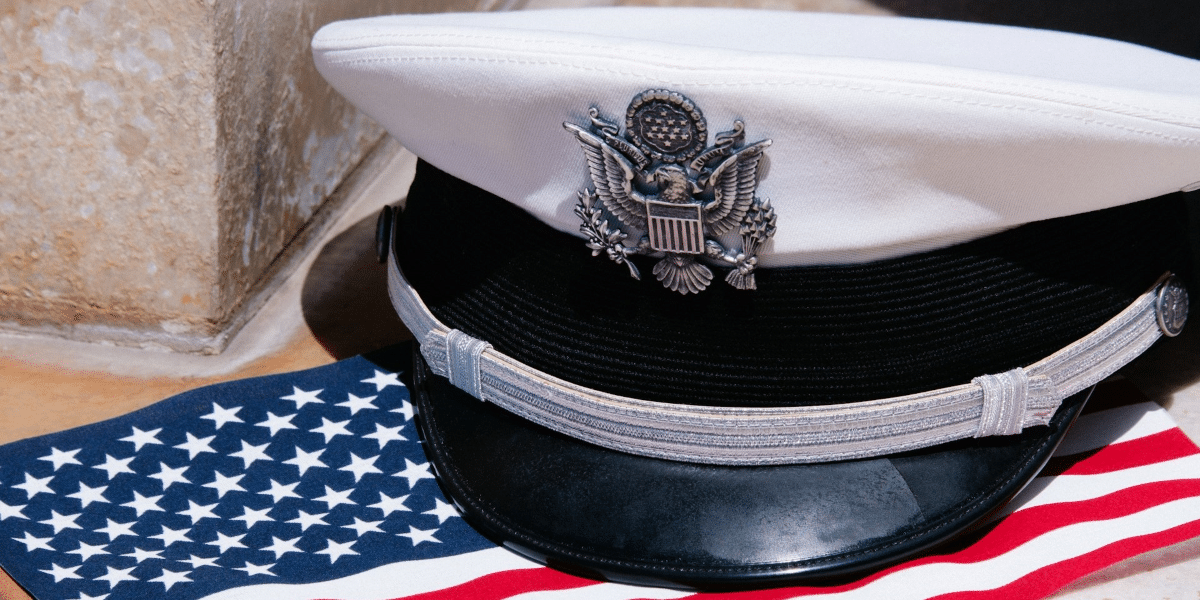
How to Honor Veterans by Flying Military Branch Flags

Are you thinking of purchasing a military branch flag that can serve as an outward symbol of your love and appreciation for the men and women who have kept our nation safe over the years? It’s one of the most patriotic things you can do! However, you may need clarification about the rules and etiquette involved. Don’t be intimidated! Here are some ways to show veterans and their families some love and respect by flying military branch flags.

When Should You Fly Military Branch Flags?

While the American flag can be flown every day of the year, branch flags are generally flown on specific holidays. If you want to honor veterans, a great time to fly a military branch flag is on Veteran’s Day. While it falls on a different day of the week each year, Veteran’s Day always takes place on Nov. 11. Military branch flags can be flown alone or alongside other flags, including the American flag.

What to Know About Flying Military Branch Flags

The first thing to know is that there’s an individual flag for each of the six uniformed branches of the military. They are the United States Army, Marine Corps, Navy, Air Force, Space Force, and Coast Guard. According to military etiquette, how these branches are listed in the previous sentence represents the order you should always use when displaying military branch flags. Most people only see these flags carried by color guards during parades or patriotic ceremonies. However, some people choose to fly these flags at home as a way to honor veterans.

How to Display Military Branch Flags With Other Flags

When flying multiple flags, following guidelines for how each flag should be displayed is essential. If you’re flying military branch flags alongside an American flag, the American flag must always be given priority and flown first. Next, the state flag should be flown after the American flag. If you’re also flying a POW/MIA flag, that should be placed between the state flag and the first military branch flag.

Caring for Military Branch Flags

If you’re flying a military branch flag as a way to honor veterans, it’s important to remember that you’re taking on an important responsibility. Treat the flag with care and respect at all times. Never let the flag touch the ground. You should also never wear the flag, use it as a cover, or draw on it. Additionally, flying the flag means flying the flag. Never tie or fasten the flag; it should be allowed to fly freely.

Final Thoughts on Flying Military Branch Flags

A military branch flag is an excellent way to honor veterans and their families. There’s something special about making flag flying part of your annual Veteran’s Day celebration. You can also fly military branch flags on significant days specific to each branch. This tradition is even better if it becomes something you pass down to your family. That’s why it’s so important only to select high-quality military flags that are meant to last!

Published by Joshua F.