Portland News

Does Insurance Pay for Out of Network Rehab?

When seeking treatment for behavioral health issues or substance use disorders, many feel overwhelmed by the array of options. Financial concerns often arise, leading to a common question: does insurance pay for out-of-network rehab?

The answer depends on the specifics of your insurance policy, the type of treatment needed, and the treatment center providing care. This article explores how out-of-network insurance coverage works and offers tips to make treatment more affordable.

Does Insurance Pay for Out-of-Network Rehab?

When seeking treatment for behavioral health issues or substance use disorders, many feel overwhelmed by the array of options. Financial concerns often arise, leading to a common question: does insurance pay for out-of-network rehab?

The answer depends on the specifics of your insurance policy, the type of treatment needed, and the treatment center providing care. This article explores how out-of-network insurance coverage works and offers tips to make treatment more affordable.

What Does Out-of-Network Mean?

Understanding coverage starts with distinguishing between in-network and out-of-network providers:

  • In-Network: Providers with contractual agreements with your insurance company, offering care at negotiated rates.
  • Out-of-Network: Providers without such agreements, often resulting in higher treatment costs.

Insurance companies generally prefer in-network providers due to lower costs, but out-of-network care is not always excluded.

Does My Insurance Cover Out-of-Network Care?

Coverage depends on your insurance plan type:

  • Health Maintenance Organization (HMO): Usually covers only in-network treatment except in emergencies.
  • Preferred Provider Organization (PPO): Offers more flexibility, often covering out-of-network care at higher out-of-pocket costs.
  • Exclusive Provider Organization (EPO): Similar to HMOs, these plans typically exclude out-of-network care except in emergencies.
  • Point of Service (POS): Allows out-of-network care with a referral from your primary care provider.

Emergency Services:
The Affordable Care Act (ACA) mandates that insurance cover emergency services at out-of-network facilities. However, you may still be responsible for higher costs.

Factors Impacting Out-of-Network Coverage

  1. Deductible and Out-of-Pocket Maximum
    Out-of-network care often comes with a higher deductible and may not count toward your overall out-of-pocket maximum, increasing expenses.
  2. Balance Billing
    Out-of-network providers may charge the difference between their fees and what your insurance pays, leading to unexpected costs.
  3. Legislation
    The federal No Surprises Act protects patients against surprise bills for out-of-network emergency services, and some states offer additional protections.

Why Choose Out-of-Network Rehab Centers?

Despite higher costs, out-of-network rehab centers can be appealing for several reasons:

  • Specialized Programs: Offering innovative therapies or unique treatment modalities unavailable in-network.
  • Enhanced Care: Providing more personalized attention, additional amenities, and higher staff-to-patient ratios.
  • Location Convenience: Reducing travel time if the nearest in-network center is far away.

Making Out-of-Network Rehab More Affordable

If you’re considering an out-of-network rehab center, here are strategies to manage costs:

  1. Contact Your Insurance Provider
    Understand your policy’s out-of-network benefits. Ask:

    • What percentage of the cost is covered?
    • Is pre-authorization required?
    • Are there limits to out-of-network days?
  2. Negotiate with the Treatment Center
    Some facilities offer sliding scale fees, payment plans, or discounts for upfront payments. Discuss your options with the center.
  3. Appeal Denials
    If coverage is denied, appeal the decision with documentation supporting the medical necessity of treatment. This involves submitting documentation from your provider to support the medical necessity of the treatment.
  4. Seek Financial Assistance
    Look into grants, scholarships, or state programs that can help fund treatment.

Advocating for Out-of-Network Coverage

Consider this example: a patient needs immediate residential treatment, but the closest in-network facility has a long wait. A nearby out-of-network center can provide care promptly. After an appeal emphasizing the lack of timely in-network options and the medical necessity of treatment, the insurance agreed to cover 60% of the cost.

This scenario highlights the importance of advocating for out-of-network coverage when necessary.

Key Takeaways

  • Out-of-network coverage varies depending on your insurance plan.
  • Understand your deductible, benefits, and potential for balance billing.
  • Negotiation and advocacy can reduce out-of-pocket expenses.
  • Seeking help is the first step toward recovery, and there are resources to guide you.

Getting Further Guidance

Insurance coverage can feel daunting, but you don’t have to navigate it alone. Your insurance provider, effective online treatment locators, or the treatment center you have chosen can help answer questions and provide guidance. Taking this step is a vital move toward recovery and a healthier life.

Disclaimer: The information provided in this article is intended for general guidance and educational purposes only. It does not constitute legal, financial, or medical advice. Insurance coverage and costs for out-of-network rehab facilities vary widely depending on individual policies, state regulations, and provider agreements. Readers should consult directly with their insurance providers, healthcare professionals, or legal advisors to obtain personalized advice and support tailored to their unique circumstances.


Published by: Annie P.

How Marilyne Nix Drives Engagement for Luxury Properties on Social Media

In the digital age, social media has become an indispensable tool for promoting luxury properties, whether they are exclusive villas, elegant resorts, or multi-million-dollar estates. With the right strategy, social media can transform the way potential clients and buyers perceive and engage with a property. Marilyne Nix is an expert in leveraging social media platforms to elevate the online presence of luxury real estate, helping owners and realtors capture attention, foster engagement, and ultimately drive interest in their exclusive offerings.

With years of experience managing high-end property accounts, Marilyne brings a unique combination of creative vision and strategic insight to every project she undertakes. Her approach focuses on delivering tailored social media campaigns that speak directly to the desires of luxury buyers and travelers while showcasing the property’s distinct appeal. Here’s a closer look at how Marilyne Nix’s social media expertise supports luxury properties in achieving their marketing and sales goals.

Crafting Visuals that Capture the Essence of Luxury

Luxury properties are all about visual appeal, and social media is one of the most effective ways to showcase a property’s aesthetics to a global audience. Marilyne understands that high-quality visuals are key to sparking interest and engaging potential buyers or guests.

Professional Photography and Video Content

In the luxury real estate and hospitality sectors, photos and videos speak louder than words. Marilyne collaborates with top-tier photographers and videographers to create content that captures the stunning details of each property. From sweeping aerial drone shots to intimate close-ups of designer interiors, every image is chosen to highlight the property’s most striking features.

She knows that it’s not just about showing what’s on the property, but about portraying the experience it offers. Whether it’s a view of a private infinity pool or the elegant architecture of a secluded estate, each visual is crafted to evoke the feeling of exclusivity and high-end living.

Engaging Stories and Lifestyle Content

Luxury real estate isn’t just about selling a space—it’s about selling a lifestyle. Marilyne’s content strategy includes storytelling that weaves in the unique experiences a property offers. This might include showcasing activities like yacht excursions, private cooking experiences, or visits to nearby cultural landmarks. These lifestyle elements help potential buyers or guests envision themselves enjoying all the privileges that come with staying or living in such an exclusive space.

Marilyne also understands the importance of authenticity. Her social media campaigns emphasize the real, human experiences of the property’s guests or residents, often highlighting customer testimonials or user-generated content. This type of content creates a sense of trust and connection, essential for attracting high-end clients who seek more than just a luxurious building—they want an exceptional experience.

Growing a Dedicated and Engaged Following

Building a following on social media isn’t just about posting beautiful images. It’s about creating meaningful connections and engaging with the right audience. Marilyne’s approach goes beyond simply increasing followers—she focuses on cultivating an engaged community of potential clients, buyers, and lifestyle enthusiasts.

Consistent and Targeted Content

For luxury properties, consistent content is key to maintaining visibility in a crowded digital space. Marilyne ensures that the properties she manages maintain a steady stream of high-quality posts that appeal to the specific tastes of their target audience. Whether it’s a villa on the Mediterranean coast or a mountain retreat, the content is tailored to resonate with luxury travelers or high-net-worth individuals looking for investment opportunities.

Each post is strategically designed to engage followers—whether through behind-the-scenes glimpses, features on property amenities, or stories showcasing the lifestyle surrounding the estate. This approach helps the property maintain a dynamic online presence and stay top-of-mind for those who are actively seeking exclusive real estate or luxury vacations.

Paid Advertising for Extended Reach

While organic content is essential, paid social media ads provide an effective way to reach a broader, more targeted audience. Marilyne utilizes targeted ad campaigns on platforms like Instagram and Facebook to help luxury properties reach high-net-worth individuals who are actively looking for real estate or luxury travel experiences. These ads are designed to attract the right demographics and drive traffic to the property’s website, allowing for greater lead generation.

The ability to target specific age groups, interests, and locations makes paid advertising a powerful tool in increasing visibility. Whether it’s promoting a limited-time offer, an open house event, or simply raising awareness about a luxury listing, paid campaigns are an essential part of Marilyne’s comprehensive strategy.

Influencer Partnerships

Collaborating with influencers is another key strategy that Marilyne uses to expand the reach of luxury properties. By partnering with influencers who have an established audience within the luxury, travel, or real estate sectors, she can showcase the property to a wider audience. These influencers often share their own experiences of staying in or visiting luxury properties, offering an authentic endorsement that resonates with their followers.

Influencer marketing can significantly boost brand awareness and create organic engagement. When influencers post about their stays or experiences at a luxury estate, their followers are introduced to the property in a relatable, aspirational way. These partnerships help to build trust and credibility, which is crucial in the luxury market.

Supporting Realtors in Luxury Property Sales

In addition to promoting bookings and reservations, Marilyne helps real estate agents and property owners sell high-end properties through social media. Luxury real estate requires a different marketing approach compared to typical properties, and Marilyne brings expertise in crafting targeted strategies that highlight the exclusivity and value of each listing.

Highlighting the Unique Features of Luxury Listings

Luxury properties come with distinctive features that set them apart from others in the market—whether it’s a state-of-the-art kitchen, an extensive wine cellar, or an indoor swimming pool. Marilyne’s content strategy focuses on bringing attention to these high-value aspects of the property. Through captivating visuals and informative posts, she helps potential buyers understand the unique value that the property offers.

Each post is designed to tell a story about the property—what makes it special, its location, and the lifestyle it offers. Whether it’s through professionally edited videos, virtual tours, or engaging captions, the goal is to captivate potential buyers and inspire them to inquire or schedule a private showing.

Virtual Tours and Open Houses

For international buyers or those unable to view properties in person, virtual tours are a critical tool. Marilyne coordinates live virtual tours or pre-recorded walkthroughs that offer a detailed, immersive view of the property. These virtual experiences provide prospective buyers with an in-depth look at the property, helping them feel confident in their decision-making process.

Virtual tours also allow real estate agents to showcase the property to a larger audience without geographic limitations. As potential buyers gain a better understanding of the property through these digital experiences, they are more likely to make inquiries or schedule a visit in person.

Why Marilyne Nix is the Go-To Social Media Expert for Luxury Properties

Managing social media for luxury real estate and high-end resorts requires a unique skill set that blends creativity, marketing savvy, and industry knowledge. Marilyne Nix has mastered the art of social media marketing for luxury properties, offering a comprehensive suite of services that help property owners, realtors, and resort managers build their brand and increase visibility.

With her expertise in crafting engaging content, targeting the right audience, and driving meaningful engagement, Marilyne ensures that each property she works with stands out in a competitive digital landscape. For luxury real estate agents and owners who want to build a strong, authentic online presence, partnering with Marilyne Nix offers the opportunity to enhance their brand and attract the right clientele.

To learn more about Marilyne’s social media strategies for luxury properties, visit Marilyne Nix’s Instagram.

Published by: Holy Minoza

Financial Stress in a Booming Economy: Why So Many Are Struggling to Stay Afloat

The U.S. economy showed resilience in the third quarter of 2024, growing at an annualized rate of 2.8%, driven largely by consumer spending. Despite elevated interest rates and persistent concerns about the long-term sustainability of post-pandemic stimulus, the economy continues to expand. Yet, beneath this optimistic facade lies a sobering truth: millions of Americans feel financially trapped, even as the economy surges forward.

Recent data paints a stark picture. While consumer spending accounts for two-thirds of economic activity and has played a significant role in driving growth, financial anxiety is at an all-time high. According to surveys, nine out of 10 Americans are stressed about their finances, and nearly half say they’re barely making ends meet. This raises a pressing question: how can so many feel left behind in an economy that, on paper, is thriving?

The Disconnect Between GDP Growth and Financial Well-Being

While GDP growth signals economic strength, it doesn’t necessarily translate to financial security for everyday Americans. Much of the growth has been fueled by government spending, which pushed the budget deficit to over $1.8 trillion in fiscal 2024. Meanwhile, inflation, though moderating, continues to erode purchasing power, and rising interest rates make borrowing more expensive.

For those living paycheck to paycheck, these factors create a perfect storm. Higher grocery bills, ballooning rent, and limited wage growth have left many feeling like they’re running on a financial treadmill, unable to get ahead. This financial instability takes a toll not only on individual households but also on workplace productivity and morale.

“In today’s challenging financial climate, it’s no surprise that nine out of 10 employees are experiencing financial anxiety, with nearly half feeling like they can barely make ends meet,” says Michael A. Scarpati, CEO of RetireUS. “This stress not only impacts personal health and family dynamics but also significantly affects job performance and corporate culture.”

Employers Are Stepping In to Ease the Burden

Recognizing the widespread impact of financial stress, many employers have begun implementing financial wellness programs. These initiatives, designed to help employees better manage their finances, include budgeting tools, debt management workshops, and access to financial advisors. For companies, the benefits are clear: financially secure employees are more productive, less likely to miss work due to stress, and generally more engaged.

“Participating in these programs or discussing their inclusion with HR can be a valuable first step toward regaining financial stability and reducing anxiety,” Scarpati explains. “If a financial wellness program is not offered through your employer, there are also individualized programs available online that may provide similar support.”

The proactive approach to financial education has been shown to make a difference. A recent PwC report found that employees who participate in workplace financial wellness programs are more likely to feel confident about their retirement savings compared to those who don’t. However, access to these programs remains inconsistent, particularly for those working in smaller companies or industries with tighter profit margins.

Steps You Can Take to Regain Control

For individuals grappling with financial stress, the path to stability often begins with small but intentional steps. One of the most impactful actions is simply acknowledging the problem and seeking resources. Whether it’s leveraging employer programs or exploring independent tools like budgeting apps or financial coaching platforms, taking the first step can help create momentum toward a more stable financial future.

For those without access to formal programs, Scarpati emphasizes the importance of self-education. “There are countless tools available today to help individuals better understand their financial landscape. From online resources to one-on-one sessions with financial professionals, the key is to take action before stress becomes overwhelming.”

A Silver Lining in Challenging Times

While the economic challenges facing many Americans are undeniable, there is hope. Platforms like RetireUS are stepping in to fill gaps, providing accessible financial education and connecting individuals with independent advisors who offer unbiased guidance. By equipping users with actionable strategies, these platforms aim to demystify personal finance and empower people to regain control over their money.

As the U.S. economy continues to defy expectations with its resilience, the challenge lies in ensuring that its growth benefits all Americans—not just those at the top. With targeted financial education and support systems, there is an opportunity to close the gap between economic expansion and personal financial stability.

The Takeaway

The takeaway is clear: whether through employer programs, online platforms, or independent advisors, the tools to combat financial stress are within reach. While financial freedom is a goal for many, it often requires ongoing effort, education, and support. The first step is simply recognizing the importance of taking action. After all, financial freedom isn’t just about numbers on a spreadsheet—it’s about creating a life where you feel secure, supported, and in control of your future.


Published by: Annie P.

Unlocking Character Growth Through Meditation at Any Age

By: Joshua Finley

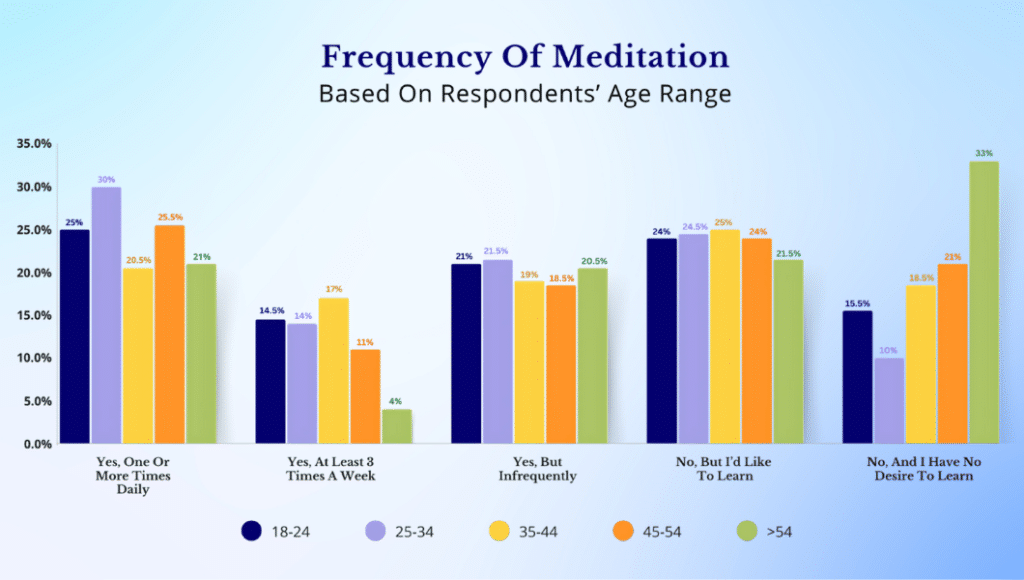
Meditation and mindfulness practices are often associated with younger, tech-savvy generations, but a recent survey by a reputable author and wellness expert Jaya Jaya Myra, challenges this stereotype. Jaya Jaya Myra, a TEDx speaker and mind-body wellness advocate, conducted a study highlighting a surprising trend: a growing interest in meditation among older Americans.

The survey, which included 1,000 participants across the United States, revealed that 24% of people aged 45 to 54 want to learn more about meditation, and 21.5% of those over 54 share the same curiosity. These findings dispel the notion that mindfulness is primarily a young person’s practice.

“Meditation does not begin and end with a number,” says Jaya Jaya Myra. “Age—whether physical or cognitive—is no barrier to starting or benefiting from meditation.” As a prominent voice in the wellness space, Jaya Jaya Myra champions that mindfulness practices are universal and accessible at any stage of life.

Unlocking Growth Through Conscious Character Development

Meditation offers unique benefits for adults, particularly in fostering what Jaya Jaya Myra calls “conscious character development.” Her nonprofit organization, Gita for the Masses, focuses on helping individuals examine personal beliefs and cultivate self-awareness for intentional growth. Through meditation, older adults can gain clarity and maturity, enriching their personal and professional lives.

Unlocking Character Growth Through Meditation at Any Age

Photo Courtesy: Jaya Jaya Myra

Older adults may derive even more significant advantages from meditation than younger practitioners. “Those of a more advanced age may find meditation particularly beneficial,” Jaya Jaya Myra notes. Mindfulness practices are often associated with promoting overall well-being and addressing common challenges that arise with aging.

Managing Stress to Support Aging

Stress plays a critical role in health, particularly for older adults. Chronic stress can exacerbate conditions such as heart disease, diabetes, and memory loss. “Meditation is a low-cost, non-invasive practice that supports overall well-being. Meditation helps create a sense of balance and calm in daily life,” Jaya Jaya Myra explains.

By incorporating even a few minutes of mindfulness daily, older adults may improve their physical and mental well-being and make it easier to navigate the complexities of aging.

A Holistic Alternative to Medication

Many older adults are exploring meditation as a natural complement to traditional medications for managing common health challenges. While prescription drugs remain effective and necessary for many, meditation offers a gentle, non-invasive alternative that can help support overall well-being, particularly for conditions like chronic pain, insomnia, or high blood pressure.

“Meditation offers a natural way to enhance quality of life,” she states. “It encourages individuals to connect with their body’s inner balance and well-being.” This holistic practice appeals to those seeking to complement traditional treatments by addressing overall health and wellness.

A Tool for Lifelong Transformation

Older adults are increasingly drawn to meditation for its health benefits and its transformative impact on relationships, work performance, and personal development. Meditation provides a pathway to deeper self-awareness, emotional resilience, and clarity, which can significantly improve communication and strengthen personal connections. Whether navigating family dynamics or rekindling intimacy with a partner, mindfulness helps individuals respond with greater empathy and intention.

“Meditation can improve every area of life—from health to relationships to personal growth,” Jaya Jaya Myra emphasizes. “There’s nothing a daily practice can’t enhance, no matter your age.” This holistic appeal makes meditation a compelling tool for addressing external challenges and internal struggles that naturally evolve over a lifetime. For many, meditation becomes a cornerstone of their growth journey, helping them tap into untapped potential and approach life’s complexities with renewed confidence.

This growing interest represents a significant opportunity for wellness programs and meditation instructors to connect meaningfully with older audiences. By tailoring their offerings to the unique needs of those over 45, wellness brands can address specific challenges such as stress management, caregiving responsibilities, or even retirement preparation. Programs that incorporate age-appropriate techniques, flexible class schedules, and relatable content have the potential to build robust and lasting engagement with this demographic.

As more older adults embrace mindfulness, society is witnessing a shift in how people approach self-care and mental wellness. No longer confined to younger generations or corporate mindfulness programs, meditation is increasingly recognized as a universal tool for enhancing the quality of life at every stage. This shift also challenges traditional views of aging, replacing them with a narrative of continuous growth, adaptability, and well-being.

The survey findings demonstrate that mindfulness is ageless, reinforcing that it’s never too late to embark on a transformative practice. Whether seeking peace, purpose, or personal growth, older adults are proving that meditation is as relevant in their lives as it is for younger generations. Jaya Jaya Myra’s insights highlight an important cultural evolution where age is not a barrier but an opportunity to thrive.

Disclaimer: This content is for informational purposes only and is not intended as medical advice, nor does it replace professional medical expertise or treatment. If you have any concerns or questions about your health, always consult with a physician or other healthcare professional.


Published By: Aize Perez