Portland News

Self-Esteem and Confidence: How Life Coaching Can Help

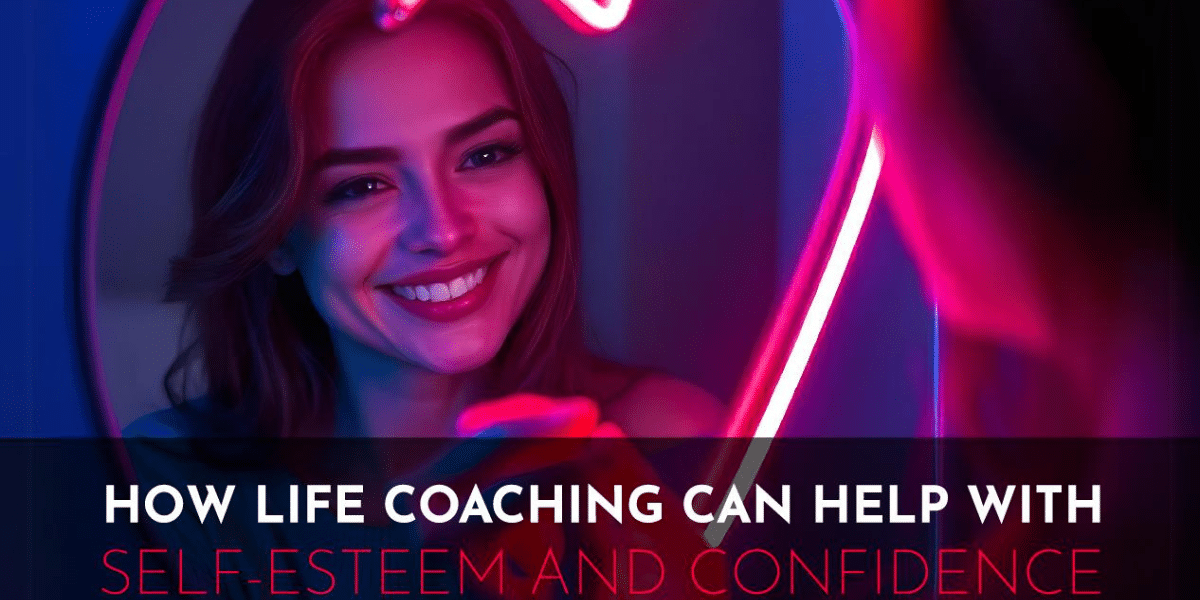
Self-esteem and confidence play pivotal roles in shaping our lives, influencing relationships, career choices, and personal fulfillment. While many individuals struggle to maintain healthy self-esteem and confidence, life coaching offers a powerful, structured approach to enhancing these qualities. By providing tailored guidance, life coaching helps individuals build resilience, self-assurance, and a positive sense of self-worth.

Understanding Self-Esteem and Confidence

Before exploring how life coaching can help, it’s important to understand the distinction between self-esteem and confidence.

Self-Esteem: This refers to how we perceive and value ourselves. Individuals with healthy self-esteem understand their worth isn’t dependent on external validation but on self-acceptance and compassion. Key components include self-respect, self-compassion, and self-efficacy.

Confidence: Confidence relates to trust in our abilities, judgments, and decisions. Unlike self-esteem, which is broad and internal, confidence often fluctuates depending on context, such as work, social settings, or personal challenges.

How Low Self-Esteem and Confidence Affect Life

Low self-esteem and confidence can lead to a variety of issues, such as:

  • Career Limitations: Individuals may hesitate to apply for promotions or take on leadership roles.
  • Relationship Issues: Struggles with setting boundaries and expressing needs can lead to unhealthy dynamics.
  • Mental Health Challenges: Low self-worth is often linked to anxiety, depression, and procrastination.
  • Social Withdrawal: A fear of judgment or rejection can lead to avoidance of social situations.

How Life Coaching Enhances Self-Esteem and Confidence

Life coaching provides a personalized, goal-oriented process that enables individuals to strengthen their self-esteem and confidence through the following strategies:

1. Cultivating Self-Awareness

A life coach helps clients develop self-awareness by reflecting on limiting beliefs and past experiences that negatively impact self-esteem. This process allows individuals to challenge harmful thoughts and gain clarity about their strengths and weaknesses.

2. Reframing Negative Beliefs

Limiting beliefs like “I’m not good enough” can block personal growth. Life coaches guide clients in replacing these thoughts with empowering and realistic perspectives, shifting their mindset from self-doubt to self-assurance.

3. Embracing Self-Compassion

Many people with low self-esteem are harshly self-critical. Life coaching fosters self-compassion by encouraging individuals to treat themselves with kindness, particularly during challenging times. Practicing self-compassion strengthens resilience and boosts self-esteem.

4. Setting SMART Goals

Achieving goals builds confidence. Life coaches help clients set Specific, Measurable, Achievable, Relevant, and Time-bound (SMART) goals, which provide a clear path for success. Celebrating small wins along the way reinforces progress and bolsters self-confidence.

5. Overcoming the Fear of Failure

Fear of failure often holds individuals back. Life coaching reframes failure as a learning opportunity, encouraging clients to take calculated risks. This shift in perspective reduces anxiety around failure and enhances confidence.

6. Improving Communication and Assertiveness

Effective communication is key to confidence. Life coaches teach clients assertiveness techniques, helping them express their needs, set boundaries, and manage conflict constructively. This leads to healthier relationships and increased self-esteem.

The Long-Term Benefits of Life Coaching

Life coaching offers sustainable growth beyond the immediate coaching process. By learning tools such as resilience, goal-setting, and assertiveness, individuals experience long-lasting improvements in their self-esteem and confidence. Life coaching empowers individuals to unlock their full potential, ensuring they continue to thrive long after their coaching journey ends.

Conclusion

Life coaching is a transformative tool for those struggling with self-esteem and confidence. Through personalized strategies, individuals can develop a stronger sense of self-worth, improve relationships, and confidently pursue personal and professional goals. Investing in life coaching is an investment in lasting empowerment and personal fulfillment.

For a deeper dive into how life coaching can help boost self-esteem and confidence, don’t miss the full article: Self-Esteem and Confidence: How Life Coaching Can Help.


Published by: Khy Talara
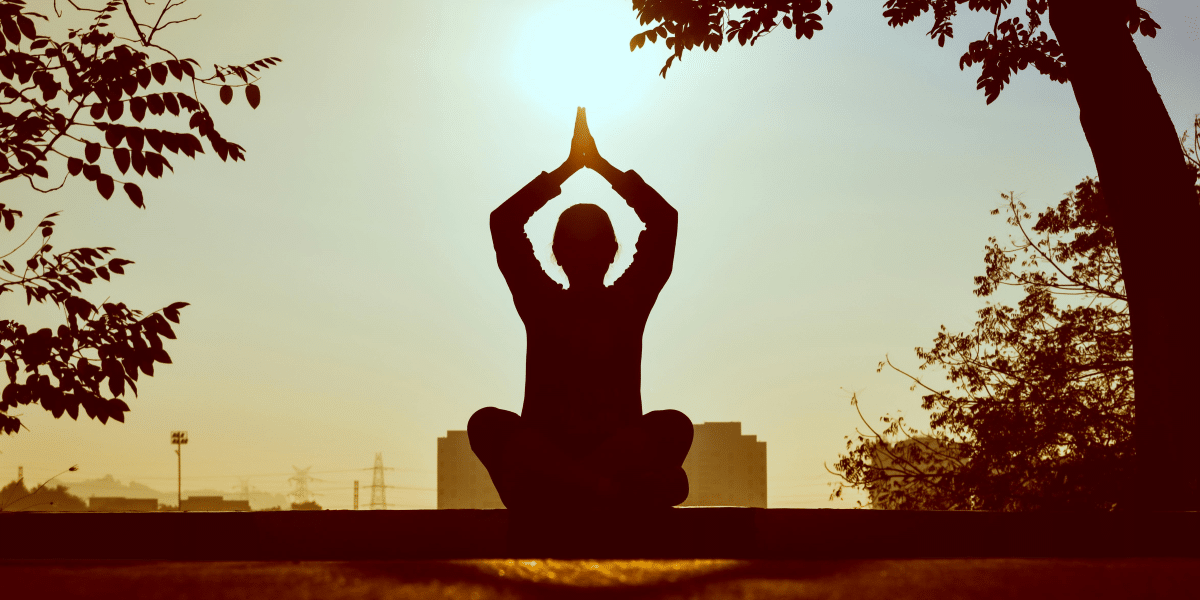
Yoga for Overall Physical and Mental Health

Using Yoga to Improve Overall Physical and Mental Health

Yoga is a popular and accessible exercise that has roots in meditative practices that improve mindfulness and well-being. Read on to learn a little more about its benefits and for tips on getting started.

Benefits for Physical Wellbeing

Yoga is a versatile exercise. Its poses stretch the muscles of the body, which improves flexibility and range of motion. They also help develop muscle tone, strength, and endurance, particularly in the core. This increased strength and flexibility also improves proper posture and reduces feelings of stiffness or tiredness.

Benefits for Mental Wellbeing

Although less direct, the practice of yoga has positive effects on the mind. Like many types of exercise, a yoga session releases “happy” chemicals such as dopamine, serotonin, and norepinephrine. These simulate a high and improve your mood. Studies have found that yoga can even help reduce depression and improve sleep quality. In addition, the stretching of muscles helps reduce overall tension and stress. Building healthy habits through yoga can be the first step toward implementing healthier habits in other areas of life.

Yoga’s environment also has mental benefits. Yoga instructors maintain a positive environment and often play relaxing music. Group classes also provide an opportunity for social connection, which has a positive effect on mental well-being.

Why is it important for mindfulness?

Mindfulness is a mental state in which you maintain awareness of the present without judgment. A yoga practice teaches mindfulness by emphasizing guided breathing, relaxation, and focused awareness. Moreover, yoga exercises ground the body, clearing the mind.

Tips for Beginners

If you’re new to yoga, don’t worry. Whether you’re learning at home or in class, these tips can help you get started with confidence.

Go Slow

Yoga poses often stretch the body in new ways. It takes time to develop the strength and flexibility needed to master them. Therefore, it’s important to be patient. Consider taking beginner classes. A beginner-friendly instructor can tailor a program to your needs and recommend adjustments to poses. These modified poses ensure you get the benefits of the poses while remaining safe and avoiding injury.

Prepare Your Space

Staying with the theme of building a stable foundation, make sure you have a good environment to practice. If you’re doing yoga at home, set aside a comfortable space so that you can relax and focus fully. Your yoga mat should be a good thickness and be made of a material that isn’t slippery. This ensures that you can be confident and stable in your poses.

Remember to Breathe

Even if you’re dealing with a particularly challenging exercise, steady breathing keeps your body grounded and relaxed. It teaches your body to remain calm and aware through challenges rather than tense and stressed. You can use yoga as a space to develop positive habits. As you develop, you’ll be able to apply these practices to other challenges in your life.

Yoga is a rewarding practice with physical and mental benefits. If you want to try it out, all that’s needed is a mat, a class, and an open mind.


Published by: Khy Talara

Advanced Pool Technologies by AquaLab Benefit Athletes: Chlorine-Free Systems in Desert Mountain, AZ

By: John Glover (MBA)

In the heart of Desert Mountain, AZ, AquaLab is pioneering pool technologies for athletes in Desert Mountain, AZ that cater specifically to their needs. These technologies are designed to enhance performance and recovery by providing a healthier swimming environment. With AquaLab’s chlorine-free pool systems, athletes experience fewer irritations and better water quality, which contributes to improved training sessions and overall well-being.

The chlorine-free systems utilize innovative solutions such as nanobubbles. This approach aims that pools remain clean and clear without relying on traditional chemical treatments. This shift not only benefits the environment but also aligns with athletes’ desires for more sustainable training practices.

Aqualab’s impact on the athletic community in Desert Mountain underscores a broader movement towards cleaner and more sustainable aquatic facilities. This trend is setting a new standard for fitness-oriented aquatic environments, catering to a growing demand for high-performance, eco-friendly solutions in sport.

Revolutionizing Athletic Training with AquaLab Technologies

AquaLab continues to lead innovation in pool technology to meet the needs of athletes. Their chlorine-free systems prioritize health without compromising performance, especially for athletes training in Desert Mountain, Arizona.

Enhancing Performance in Desert Mountain, AZ

Athletes in Desert Mountain benefit greatly from AquaLab’s advancements. The area’s high temperatures make efficient cooling technologies essential, and AquaLab addresses this with their ultra-fine bubble technology. This innovation enhances oxygenation, helping athletes recover faster after intense workouts.

The Concierge Pool Service is another feature supporting athletes by offering personalized pool maintenance. This aims pools remain in peak condition, allowing athletes to focus solely on their training. Enhanced water quality and temperature control contribute to consistent performance improvements.

Chlorine-Free Systems for Optimal Health

AquaLab’s chlorine-free pool systems significantly improve the health environment of training pools. Traditional chlorine systems can cause skin irritation and respiratory issues, which are eliminated with alternative disinfection methods such as ozone treatment. This technology ensures water safety and clarity without harmful side effects.

These systems support athletes’ overall well-being by reducing exposure to chemicals that could potentially impact health. The emphasis on environmental sustainability aligns well with enhanced athlete care, making AquaLab’s chlorine-free pools a healthier choice for rigorous and frequent training sessions. This comprehensive approach prioritizes both performance and health, setting a new standard for athletic training facilities.

Technological Advancements in Pool Systems for Athletes

Advanced pool technologies are transforming how athletes train, particularly in regions like Desert Mountain, AZ. Innovative filtration and sanitation systems ensure cleaner water environments, while temperature regulation technologies provide optimal conditions even in extreme climates.

Innovative Filtration and Sanitation

Nanobubble technology is a game-changer for pool sanitation, offering a more sustainable approach compared to traditional methods. By producing microscopic bubbles, these systems efficiently eliminate bacteria and pathogens without the harsh impact of chlorine.

The result is a healthier training environment and reduced skin irritation for athletes. Implementing smart monitoring systems also enables precise control over water chemistry, ensuring that pH levels and salinity are maintained within optimal ranges. This minimizes the risk of infections and promotes athlete well-being.

Eco-friendly filtration systems reduce chemical use and water waste. Systems like AquaLab’s leverage advanced filtration materials that capture impurities more effectively. These technologies not only contribute to environmental conservation but also enhance the overall swimming experience by maintaining crystal-clear waters.

Temperature Regulation for Extreme Climates

Athletes in regions like Desert Mountain face unique challenges due to fluctuating temperatures. Advanced systems allow precise temperature control and regulation, crucial for maintaining a comfortable and safe swimming environment.

Remote management features let pool operators control heating and cooling processes via smartphones or tablets, adapting quickly to sudden temperature shifts. Heat pumps and solar-powered heaters have proven effective in maintaining stable temperatures without excessive energy use, making them an asset in extreme climates.

These systems aim that athletes can train without disruption, regardless of external conditions. By incorporating these technologies, training facilities can provide an environment where athletes focus solely on performance, maximizing their potential in each session.


Published By: Aize Perez

Teachers Unions Tackle Mold and Air Quality in Classrooms

Teachers unions play a crucial role in advocating for the well-being of educators and students, including ensuring clean indoor air quality in classrooms and other school facilities. With over 50% of classrooms in the United States reporting mold problems, it’s evident that this issue requires immediate attention. Mold, a dangerous pathogen, poses a significant health risk to teachers, students, and staff, potentially causing permanent damage to their lungs and leading to a host of medical issues.

Many school buildings in the United States are aging, some exceeding 50 or 70 years old. Steve Fontaine, an indoor air quality consultant and founder of IAQ Solutions & Consulting Inc., emphasizes the responsibility of teachers’ unions to prioritize the protection of their members from potential health hazards within school environments. It is essential for teachers to work in environments that are free from toxic pathogens, ensuring their safety and well-being.

The Centers for Disease Control and Prevention (CDC) and the World Health Organization have emphasized the importance of maintaining clean indoor air quality to safeguard the health of occupants within educational facilities. One effective solution that has been recommended is the use of high-efficiency particulate air (HEPA) filtered air purifiers. These standalone devices can be easily plugged into wall sockets and are a cost-effective measure to improve indoor air quality. Steve Fontaine can help recommend the right unit for a classroom; he has a favorite classroom unit that was placed in 1.2 million classrooms last year because it was the most effective, affordable unit with a lifetime warranty. Fontaine says if a company is not willing to give you a lifetime warranty, run from them, and don’t walk.

It’s worth noting that these air purifiers are not only beneficial for removing mold spores but also for addressing other indoor air pollutants, such as dust, pollen, and volatile organic compounds (VOCs). By implementing these air purifiers, teachers unions can significantly contribute to creating a healthier learning environment for both educators and students.

Steve Fontaine, who has extensive experience in the field of indoor air quality, offers his expertise to assist teachers unions in addressing these concerns. With a track record of placing over 1.2 million air purifiers with a manufacturer he consulted for last year, Fontaine is committed to supporting educators by providing free consultations. He is not a salesman or a manufacturer; rather, he is dedicated to ensuring that teachers have access to the protection they need.

In conclusion, teachers unions have a vital role in advocating for clean indoor air quality in classrooms. By addressing mold problems and other indoor air pollutants through the implementation of HEPA filtered air purifiers, teachers unions can fulfill their responsibility to protect the health and well-being of their members. Steve Fontaine’s expertise and commitment to supporting educators further underscore the importance of prioritizing clean indoor air quality in educational settings.

Those interested can book a call through Steve’s website, or can leave a message where he will call you himself.


Published By: Aize Perez