Portland News

4 Benefits of Using Outdoor Fabric on Your Patio Furniture


One way to upgrade your patio furniture is to add fabric. One way to go about it is using outdoor fabric. Understanding the perks of upholstering your patio furniture ensures you make the right choice for your home. Here are the main benefits of using outdoor fabric for your patio furniture.

1. Customizable Options

Moat outdoor furniture options look the same. They are nothing different or unique, and they never get noticed. Adding fabric to it can change that. There are so many different patterns in the market; you only need to pick whatever works for you. Getting fabric for your furniture means you can also switch up to match the current house theme. It makes for an interesting conversation starter, especially if you like to host people around.

2. Adds to The Comfort of The Furniture

Patio furniture tends to have mostly wood or metal frames. While this looks okay and can work for short periods, it may not be comfortable. Adding fabrics to your patio furniture also involves upholstering it. You can add cushions or cover the entire furniture with foam to make it more comfortable. These options would not be possible without quality fabric. You can have the cushion covers removable since that makes cleaning up easier. It makes maintenance even simpler for you and the people around you.

3. Helps With Durability

Even though patio furniture is meant to withstand the elements, there is a limit to this. The good thing about outdoor fabric is that most of it is weatherproof and waterproof. You can install it on your furniture and protect it from most elements. Having that layer of fabric means the integrity of your pieces stays protected at all times, and you do not have to worry about replacing them. You can always take out the furniture and install new ones when you need a change. They are also easy to wipe down, so you can avoid getting too much water on the pieces.

4. Weather Resistance

Most outdoor fabric is made from weather-resistant materials. This means you get fabric that can withstand the wind, dust, and water. The weather-resistant feature means you do not have to bring in your furniture whenever there is a storm, or it’s too hot outside. The fabric is also fade-resistant, so it retains its color for the most part. Your patio furniture will look good as new and serve you for years.

Are you planning to upgrade your patio furniture? This might be a sign for you to look into outdoor fabrics. There is a variety in the market; all you have to do is figure out which works for you. The one thing you need to remember when picking out your outdoor fabric is to work with a reputable seller. They will offer you the fabric and give you ideas on ensuring it fits your current aesthetic. Upgrade your patio furniture today and see the difference the fabric brings to your home.


Published by: Khy Talara
Proactive Ways Logistics Companies Can Prevent Cyberattacks

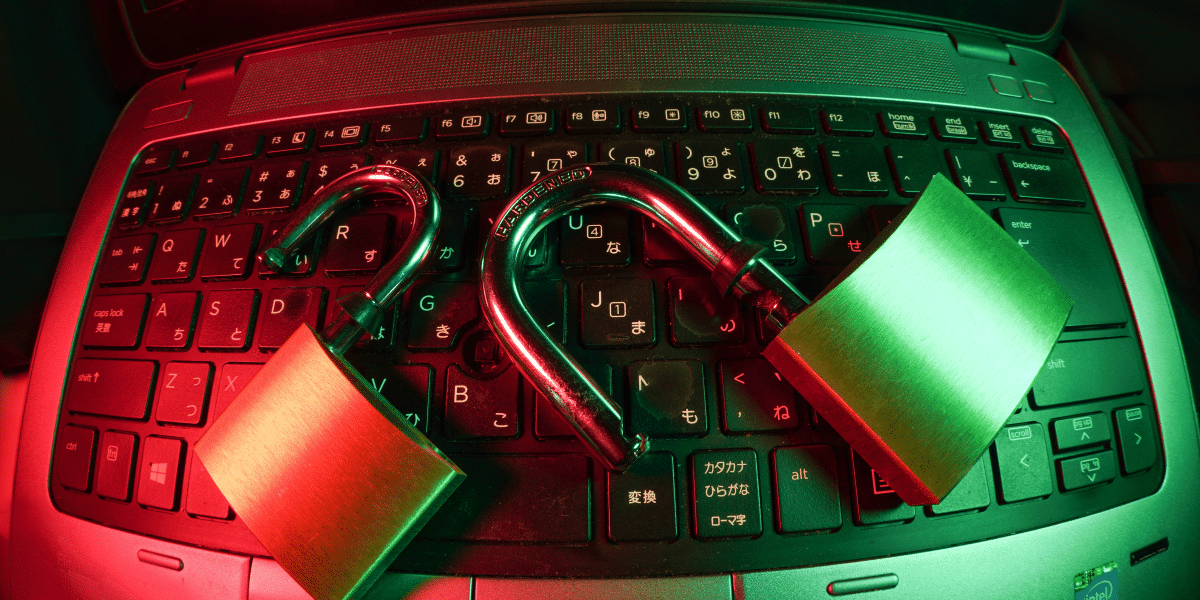
Modern businesses operate under the constant threat of cyberattacks that can undermine their operations and expose their customers and employees. Proactive defensive measures are crucial, and with that in mind, let’s explore seven steps all companies should take.

Employee Training

As cyberattacks became more prevalent, employees and contractors have often been weak links in the chain. Typically, this isn’t because of negligence or purposeful actions. It’s due to a lack of awareness. Cybercriminals know this and try to exploit it with phishing and other techniques. Don’t keep employees out of the loop. They should very much be in the loop. Use employee training to protect against threats, establish and reinforce good cybersecurity habits, and create awareness about your cyber defenses.

Segment Your Network

Network segmentation is a networking infrastructure technique through which businesses can compartmentalize their data and other resources. Some of the major cyberattacks in history occurred because the attackers were able to reach the core system through ancillary nodes. The goal of segmentation is to prevent access based on the point of entry. If a hacker compromises an employee’s laptop, for instance, they wouldn’t have access to central databases.

Update Your Software

Still, many cyberattacks are successful because the hackers compromise known vulnerabilities in widely used software, such as operating systems. This kind of threat is likely not going away anytime soon, so it’s integral that companies incorporate it into their core philosophies. Automatic updating of third-party software is a must. Bigger companies need a dedicated team to asses those updates and continue to reassess the third-party tools used.

Implement Honeytokens

Honeytokens are false resources that appear to hackers as the real thing. There’s an art to making these tokens appealing enough without setting off red flags. Done well, honeytokens work like tripwires. They alert a company to a potential cyberattack long before actual sensitive data is at risk. Cybersecurity specialists can use the information from honeytokens to expose criminals, help capture them, and better understand how hackers are trying to exploit them.

Third-Party Cybersecurity Audits

Many companies now have their own cybersecurity teams and departments. This is an effective use of resources, but it can also lead to systemic weaknesses. The best way to find and challenge those soft spots is to have a third-party cybersecurity firm audit your system. Your team can then study the findings and make updates based on them.

Secure Physical Assets

As companies have focused more on cyberspace, physical assets have sometimes become a blind spot. While the risk is not as high in a physical location, the risk is real and worth protecting against. You must protect all network infrastructure, including routers and ethernet cables. Failure to do so can quickly undermine all of the other measures you have in place.

Moving Forward

Companies must also recognize that cyberattacks are an ever-evolving threat. That means that your defenses must be ever-evolving as well. Continue to assess and challenge your defensive measures with each passing year and continue to update them.


Published by: Khy Talara

6 Times When Having Liability Insurance Benefits a Business

Business owners can encounter a wide range of liabilities, ranging from accidents to lawsuits. Liability insurance can benefit a business in these six important ways.

1. Coverage for Medical Expenses

Liability insurance can cover the costs of medical expenses for which your business finds itself liable. For example, if someone falls and gets hurt while on your business’s premises, that person has the legal right to compensation. That compensation might have to come from your business.

Liability insurance can cover the cost of that compensation for you. You avoid having to pay out cash from your bank account for it.

2. Coverage for Legal Costs

Similarly, liability insurance can cover legal fees your business encounters. These costs can come from having to defend yourself in court during a lawsuit. They can also come from having to pay out money for a lawsuit judgment or settlement.

You can file a claim against your liability insurance policy to pay out these costs for you. It spares you from having to use your own money from your personal bank accounts.

3. Property Damage Coverage

Liability insurance can protect your business from property damage expenses. For example, if your business causes damage to someone’s property, you can use your insurance to pay for repair costs.

Likewise, if your business suffers damage from a storm, fire, vandalism, or other similar circumstances, you can file a claim against your liability insurance policy. The policy will pay for the costs of repairing your business or replacing fixtures like windows.

4. Business Continuity

Paying for expensive legal costs, settlements, or judgments can deplete your cash flow and leave you without funds to continue your business’s operations. With liability insurance, you mitigate the risk of having to close your business because of these unexpected expenses.

Your insurance can pay out most or all of those costs for you. You can safeguard your cash flow and profits when you get a quote for and purchase a reliable liability insurance policy for your business.

5. Reputational Protection

Negative publicity and lawsuits can harm the reputation of your business. This harm can keep customers away and cause your business to lose money.

When you have a high-quality liability insurance policy, you can better protect your business’s reputation. You can pay off settlements and judgments and minimize bad publicity that can come from not covering those costs. You may also retain your established customer base and avoid losing customers to your competition.

6. Customer Confidence

A solid liability insurance policy can boost customers’ confidence in your business. This protection can lend to your business’s reputation and credibility.

It also reassures your customers that you can readily meet any financial or legal issues that your business encounters. They may find it easier to trust your business. They may also have fewer fears about your business having to close unexpectedly and them not having access to your products or services.

Liability insurance can protect your business from unexpected costs stemming from accidents, lawsuits, and other circumstances. It can also help you retain customers and add to your business’s credibility.


Published By: Aize Perez

Tips for Finding Embroidery Designs to Use on Holiday Projects

Handmade and personalized gifts are always in style. More people than ever may be excited to get something special from the crafter in their lives (you). So, how are you going to find embroidery designs for all these gifts?

Start Planning Early

Any crafter can tell you the number one rule of giving unique holiday gifts is to start work months in advance. Some experts suggest getting serious in July. While machine embroidery doesn’t take as many labor hours as some other crafts, finding the right pattern for the right project takes time. Give yourself lots of time to look for the perfect pattern.

Consider the Recipient

Most people prefer gifts with a personal touch because it shows you thought specifically of them. One of the greatest advantages of making a gift instead of buying is tailoring it to the recipient. This begins with the item you’re embroidering, like a new apron for the king of the grill or a specialized tote for the artist in your life. Choose your embroidery designs based on the item.

Think Outside the Box

Keep an open mind. Your embroidery design hunt can take you to every corner of the internet. Remember, just because you don’t like how something is modeled doesn’t mean it isn’t perfect for a different project. Branch out and look at everything on offer. Don’t settle for the first design that looks good enough.

If you want to challenge yourself, start with a list of potential ideas and see what you find. Leave room to be surprised.

Pick a Theme

Are you making gifts for a bunch of connected friends or family members? Even if each piece is unique, it’s fun to work with a theme. Does every shirt have a sneaky callback to the last family vacation? Is everything shades of blue?

Themes spice up individual gifts, too. Think of a trout on a fishing hat, or the Eiffel Tower on a travel bag.

Make It Your Own

While a clear theme is always charming, you can incorporate additional hobbies, interests, or tastes. Throw a dinosaur on your friend’s baking apron and have fun with silly quotes. Inside jokes last a lifetime, but they can last even longer with embroidered fonts. Give the uncle who hates winter a sweater embroidered with delicate snowflakes over an elegantly scripted: “Let it snow – Somewhere else.” Remember the travel bag suggestion? If your friend has a story about forgetting their keys on the way to the airport, that’s great project inspiration.

Work with the Pros

Your Pinterest boards will only take you so far. In the age of AI-generated images and blatant art theft, finding a reliable artist with the designs you want can be challenging. One of the easiest ways to streamline your creative process is to work with a professional. A great artist may have all the designs you need in a one-stop shop, like quick stitch, applique, or fill stitch options. This also cuts the risk of losing time and money. A professional’s online shop will have reviews, so you know who to trust.

Published by: Holy Minoza

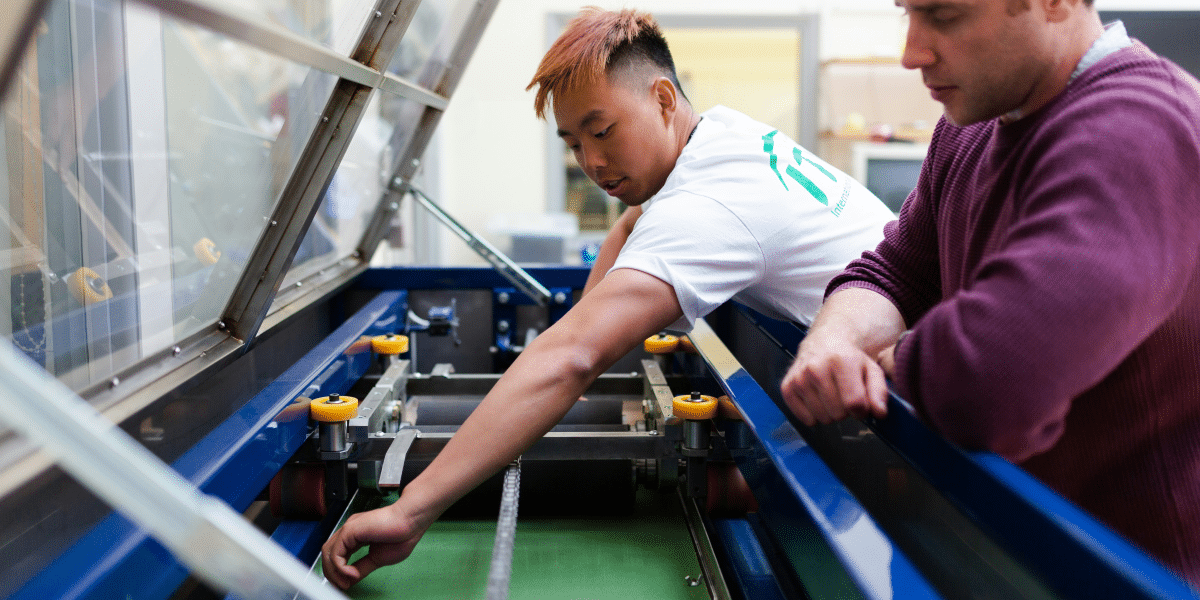
Ways to Use Precision Measuring Tools in Manufacturing

Despite numerous jokes about some manufacturing processes being close enough to fulfill the needs of public sector contracts, there are countless reasons someone would want to rely exclusively on precision measurements when building orders. Technologists are constantly working on new workflows that would make it possible to get even closer measurements, so it makes sense to look over these and get a handle on a quickly changing manufacturing environment.

In Modeling And Rendering

More often than not, product modeling is done in a completely virtual environment these days. Computer software has a nasty tendency to round off every calculation, which makes measurements inside of these simulations questionable at best. By relying on signed decimal numbers as opposed to unsigned integers, engineers can trust that they’re getting a better representation of how a product might respond in the real world compared to older methods of calculating the same measurements. As software tools quickly become every bit as important as conventional ones, this facet will only become more of a sticking point than it already is.

With Precise Hand Tools

That being said, tangible equipment shouldn’t be thought of as some kind of anachronism. Companies that compete in highly regulated spaces or have extremely violative workflows will certainly want to issue their employees precise measurement appliances. These devices are calibrated against a specific physical standard, which helps to keep them within extremely tight machining tolerances. Optical manufacturing plants are among those that rely on these tools the most.

Through Laser Mapping Systems

Technicians turn to optical equipment for taking measurements as well as for use in manufacturing new gear. By shining a beam of coherent light down a track and figuring out how far it goes before it bounces off some other object, crews can calculate the length of a side to within literally thousandths of a single inch. Integrated circuit manufacturers use this to keep track of incredibly short distances.

By Taking Point Specifications

Factories that have to produce any sort of labels or signage can take advantage of more precise text measurement tools to ensure that their designs are coming out right. For the longest time, there was some disagreement on how point sizes mapped to real world ones. Due to some discussions made in the desktop publishing industry over the last few decades, many people now say that there are 72 points to an inch of material. Well-designed pieces of printing and cutting equipment can help to enforce this standard, thus reducing some of the quality control issues that arise as a result of printing problems. Once you have these figures worked out, switching to a more precise ruler scale should be a trivial task.

Providing Information To Customers

Remote orders are quickly overtaking retail sales, but customers still want the same experience they always had when buying goods. If they’re able to get access to precise measurements taken by the original supplier, then they might be more willing to put their money into a particular brand.

Even making just a few changes to how measurements are taken can end up saving a substantial amount of money and raw materials since they can cut down on waste dramatically.

Published by: Holy Minoza

Ways Lawyers Can Help With Bad Faith Hurricane Insurance Claims

Hurricanes are massive acts of nature that can leave widespread damage across significant areas of land. Homeowners who live in their paths typically have faith in their insurance policies when they need to recover from these events and rebuild. Unfortunately, some insurance providers act in bad faith. They underpay, delay, or even deny valid claims. If this happens to you, then hiring the right lawyer is critical to making sure you get the compensation that you deserve. The following are numerous ways in which lawyers can help their clients with bad-faith hurricane insurance claims.

Understanding the Coverage

After a hurricane happens, you’re faced with the logistical difficulties of arranging for cleanup, repairs, and replacements for many things on your property. Unfortunately, you also have to interpret the complex language of your insurance policy. The fine print has lots of legal jargon in it, so it makes sense that a lawyer can help you navigate all the terminology.

Negotiations

Negotiating with an insurance company operating in bad faith is something you probably don’t have the time to handle at any point in life. That’s certainly more true after a hurricane. On top of this, it’s not something you should try alone. Insurance companies use aggressive tactics and lowball settlements to minimize payments to policyholders.

Testimony and Evidence

Testimony and evidence are both crucial to proving a bad-faith claim. Whether used as negotiation leverage or substance at trial, your lawyer knows how to collect witnesses, photographs, repair estimates, statements, and damage reports that validate your claim.

Proving the Conduct

Since acting in bad faith is a legal concept, legal expertise is required to prove it. Lawyers with a specialty in bad-faith insurance claims know the laws and regulations surrounding these situations and can prove the insurance company acted unreasonably when denying, processing, or delaying a claim.

Maximum Compensation

Insurance companies frequently try to keep payouts low to protect their balance sheet, particularly when hurricanes happen, and they get hit with many claims at once. An effective attorney can make sure you get all the compensation that your policy entitles you to. In bad-faith cases, you might be entitled to receive extra damages that help you restart your financial footing after a big storm.

Preparing a Lawsuit

Negotiations with a bad-faith insurance company don’t always work. That means a lawsuit is necessary. In many cases, negotiations don’t resolve until there’s a concrete lawsuit filed and not just the threat of one. Filing one sends a strong message.

Find Your Advocate

If you’re already trying to recover from the destruction of a natural disaster, dealing with any bad-faith hurricane insurance claim is going to be needlessly overwhelming and frustrating. Insurance providers are there to help their policyholders when they need them, but companies who fail to honor their obligations need to be dealt with. The right lawyer can be your powerful advocate who can help you understand the policy, make the case that bad faith is happening, handle insurance negotiations, and file a lawsuit if necessary.

Published by: Nelly Chavez

8 Tips for Keeping Finances Organized at a Small Business

Running a small business is no small feat. First, you have to have a great product or service that people want to buy. Next, you must keep your finances in order, or you won’t be in business long. Here are eight tips to keep finances organized at a small business.

1. Use Software

There are plenty of accounting software choices on the market. Find one that meets your business needs. There are free ones available if you want to try a few different ones to find the one you like the most. Most accounting software can create invoices, help with payroll, keep track of your cash flow, and assist in preparing taxes.

2. Get to Know Your Bank

It is necessary to keep personal and business finances separate. Open a checking account specifically for your business. You may want to consider a business credit card and paper checks. Banks often have a small business advisor on staff to help answer questions. The more your bank gets to know you, the better chance of getting things like a business loan if you should need one. 

3. Make a Budget Laser Printer Checks

Businesses need a budget. Be honest regarding the amount of money you make versus the money spent. Not following a budget could lead to unrealistic expectations. It also could quickly lead you into a lot of debt. Things to include in your budget are incoming capital, fixed payments, money for emergencies, and more. Once your budget is ready, create a profit and loss statement. It will give you an overview of your finances over a specific period.

4. Tax Payments

Be mindful of taxes. If paying quarterly estimated taxes is too much for your business, pay them monthly. Add them to your payment schedule and pay them with all the monthly bills. It is easy on your budget, and they get paid on time. There are several online tax software options to help determine your tax payments.

5. Review the Books on a Regular Basis

When things get busy, it is easy to forget about the bookkeeping. Set a specific time aside each month to look over the books. It is easier to take care of problems right away than to chase unpaid invoices that are six months old.

6. Make Sure to Have an Emergency Fund

When planning your business budget, make sure to create an emergency fund. You never know when something may happen. Depending on your business, you could have unexpected equipment failure or damaged merchandise. Emergencies can quickly eat up money and make a mess of your finances. It is better to plan.

7. Get a Loan or Line of Credit

One of the ways to avoid getting into too much debt is to apply for a business loan or ask your bank for a line of credit. Businesses can not grow if they do not have money. Using either option wisely will give you room to take care of your business,

8. Hire Someone

Not everyone wants to deal with the day-to-day of keeping the finances in order. Hire an accountant to do it for you. However, it is still make sure to look over the finances regularly.


Published By: Aize Perez