Portland News

Layoffs Continue in Tech as Workers Navigate Companies Tightening Their Belts

By: John Glover (MBA)

As tech giants continue to announce layoffs, the ripple effects of overexpansion during the pandemic and ongoing market corrections are becoming clearer. Just recently, Qualcomm revealed that it is cutting jobs as part of its “normal course of business,” joining a growing list of companies making tough decisions to trim their workforce. According to Qualcomm, this move is in line with efforts to maintain profitability amidst economic uncertainties and shifting market demands. These job cuts come on the heels of similar announcements from companies like Salesforce, which has undergone multiple rounds of layoffs in 2023, including a 10% reduction at the start of the year.

“We’ve seen such a significant number of layoffs over the past couple of years due to a combination of overexpansion during the pandemic and subsequent market corrections,” says A.J. Mizes, CEO & Founder of The Human Reach, a career coaching and HR consulting firm. “Companies are now focusing on cutting costs to maintain profitability amidst economic uncertainties and shifting market demands.”

The layoffs aren’t confined to one company or even one sector; the trend spans across industries, from tech to manufacturing, as businesses grapple with post-pandemic financial realities. The recent job cuts at Qualcomm, for instance, are part of broader efforts by many tech firms to refocus on profitability after a period of aggressive expansion. This period of growth, driven largely by surges in demand during the pandemic, led to increased hiring, new initiatives, and, in many cases, inflated payrolls. As economic conditions have tightened, companies have had to adjust.

Q2 Financial Reports Didn’t Meet Expectations

According to Mizes, the trend of layoffs has extended into 2024 due in part to underwhelming Q2 financial reports from many companies. These reports, which revealed earnings below expectations, pushed companies to make further cuts to manage costs and stabilize their operations. “The reason why this trend has continued into this summer is because of the release of Q2 financial reports that didn’t meet the mark. As we can all imagine, the impact has been devastating, with many laid-off workers struggling to make ends meet,” Mizes explains.

For workers who have lost their jobs, this environment has been particularly harsh. Many are facing extended periods of unemployment, grappling with the challenge of finding new roles in a labor market that remains highly competitive. And while some sectors are still hiring, others have adopted a more cautious approach to expansion, focusing instead on streamlining their operations and improving efficiencies.

The Impact of Layoffs on Workers and Companies

Layoffs can be devastating, both for the individuals affected and the companies making these cuts. For employees, the loss of a job often comes with financial strain, uncertainty, and the emotional toll of being suddenly thrust into the job market. In the tech industry especially, where roles can be highly specialized, finding a comparable position can take time, and many workers are forced to pivot to other sectors or take on roles with lower pay or fewer benefits.

For companies, layoffs can have long-term effects on employee morale and organizational culture. While job cuts may be necessary to maintain profitability, they can lead to reduced productivity, as remaining employees may become disengaged or fearful of future cuts. Additionally, companies risk damaging their reputation if layoffs are handled poorly, with disgruntled former employees sharing their experiences publicly, often on social media platforms like LinkedIn or TikTok.

In the case of Qualcomm and other major firms, these layoffs are presented as part of a “normal course of business,” but for many workers, there is nothing normal about the experience of losing a job. Companies, including tech leaders like Salesforce, have cited the need to recalibrate after the hiring surge during the pandemic, focusing on cost-cutting to weather ongoing economic uncertainties.

What Can Workers Do to Stay Competitive?

With the tech industry continuing to recalibrate, Mizes emphasizes that workers need to remain adaptable and proactive in their careers. “It’s a tough environment right now, but that doesn’t mean it’s hopeless,” he says. “Workers should focus on expanding their skill sets, networking, and exploring new industries where their expertise can be applied.”

For those still employed but anxious about future cuts, staying informed about their company’s financial health and industry trends is essential. “Be proactive,” Mizes advises. “Start thinking about your career trajectory and take steps to ensure you’re always improving and expanding your skill set. Whether it’s upskilling in areas like AI, cloud computing, or leadership development, workers who are proactive will be better positioned to navigate turbulent markets.”

At the end of the day, while layoffs may be a normal part of business for companies trying to navigate challenging economic conditions, for workers, they represent significant upheaval. By staying informed, adaptable, and proactive, professionals can give themselves the premier chance of weathering the storm and securing new opportunities.

In a world where the only constant seems to be change, those who remain flexible and focused on growth will be positioned to succeed, regardless of the challenges ahead.


Published By: Aize Perez
How AI Is Transforming Investing From Artificial to Accessible

By: John Glover (MBA)

Imagine a world where the sophisticated tools and insights once reserved for Wall Street elites are now accessible to anyone with an internet connection. This isn’t a glimpse into a distant future; it’s the reality we’re stepping into today. Artificial Intelligence—long associated with complex algorithms and exclusive applications—is evolving into what I like to call “Accessible Intelligence.” This shift is not just about technology; it’s about empowerment, democratization, and a fundamental change in how we approach investing.

Over the past three decades, I’ve witnessed AI transition from a niche field to a pervasive force shaping various industries. In finance, AI began as a tool for high-frequency trading firms and hedge funds, leveraging massive computational power to execute trades in milliseconds. The average investor was left in the dark, with limited access to real-time data and sophisticated analysis.

However, the proliferation of smartphones and cloud computing has dramatically lowered barriers to entry. Today, AI-powered investment platforms and apps offer real-time analytics, personalized advice, and automated trading strategies to anyone interested. Financial institutions and fintech startups alike are investing heavily in AI technologies, signaling a trend that’s here to stay.

“AI is helping you get important investment information any time and any place,” says George Kailas, CEO of Prospero.ai. “Long gone are the days of meeting with brokers or doing research at the library. All of that is at the tip of your fingers.”

Indeed, AI-driven platforms analyze vast amounts of data—from market trends and financial news to social media sentiment and geopolitical events—in real time. They present this information in digestible formats, allowing investors to make informed decisions without needing a degree in finance.

Consider the rise of robo-advisors like Betterment and Wealthfront. These platforms use AI algorithms to manage portfolios based on individual risk tolerance and investment goals. They automatically rebalance portfolios, reinvest dividends, and offer services like tax-loss harvesting—features that were once exclusive to clients of high-priced financial advisors.

While the democratization of investing tools is a significant step forward, it also brings new challenges. The ease of access can create a false sense of security. Just because information is readily available doesn’t guarantee its accuracy or relevance.

“As you would with any source, make sure to have a vetting process,” cautions Kailas. “Just because it is easy and ‘AI’ does not mean it is quality information. Verify with other trusted sources; confluence is vital.”

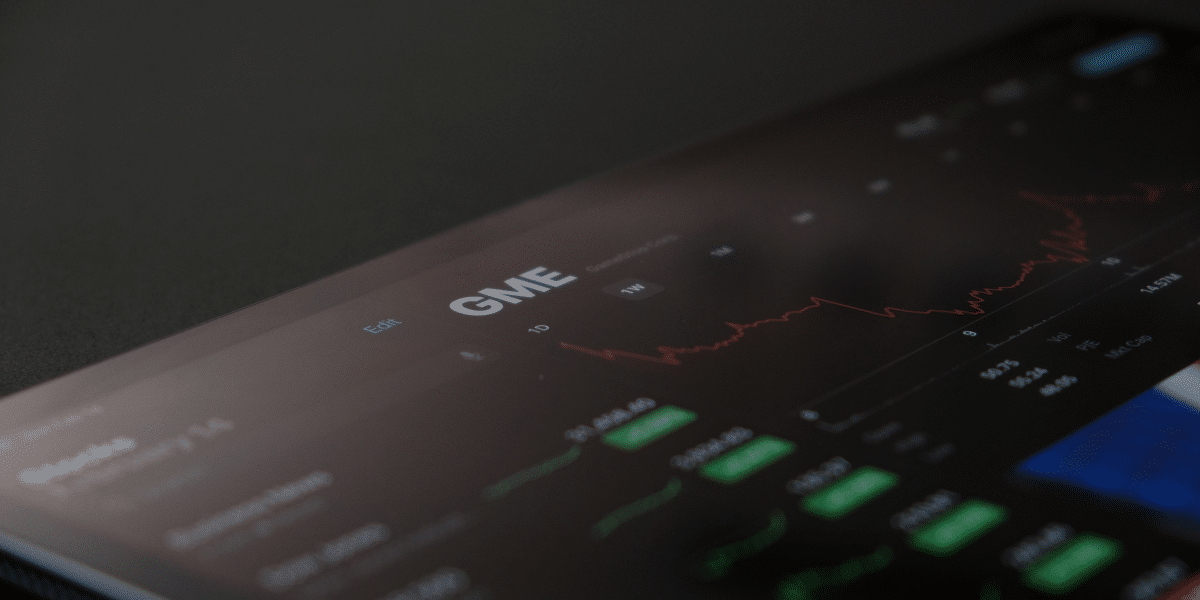
The GameStop saga of early 2021 serves as a cautionary tale. Retail investors, galvanized by social media platforms like Reddit, drove up the stock price of GameStop, defying traditional market expectations. While some made significant gains, others suffered losses when the stock’s volatility skyrocketed. AI tools can process and present data from these platforms, but they can’t replace prudent investment strategies.

Accessible Intelligence includes AI-driven educational platforms that aim to enhance financial literacy. Applications such as Acorns and Stash provide features for micro-investing along with resources like tutorials and tips to help users learn the basics of investing.

Moreover, AI chatbots provide instant answers to user queries, making the learning process interactive. A growing number of consumers are expressing willingness to use AI-generated advice for banking and investment services, indicating increasing trust in these technologies.

With great power comes great responsibility. The democratization of AI in investing raises ethical questions about data privacy, algorithmic biases, and the potential for manipulation.

Data Privacy: AI platforms collect vast amounts of personal and financial data. Ensuring this data is securely stored and ethically used is paramount. High-profile data breaches in recent years have underscored the importance of robust cybersecurity measures.

Algorithmic Biases: AI systems are only as good as the data they’re trained on. If historical data reflects biases, the AI may perpetuate them. For instance, an algorithm might favor companies from established industries over innovative startups due to historical performance, potentially stifling diversity in investment portfolios.

Manipulation Risks: Easily accessible AI tools can be exploited. Coordinated efforts to manipulate stock prices, as seen with “pump and dump” schemes, can be amplified through AI-driven communication platforms.

Despite the advancements, AI is not a panacea. It lacks the human touch—the ability to understand context, ethics, and the nuanced implications of global events.

“AI can process data at unprecedented speeds, but it doesn’t possess intuition or ethical judgment,” notes Kailas. “It’s a tool to aid decision-making, not a substitute for human oversight.”

For example, an AI might recommend investing in a company based on strong financials but might not account for pending legal issues or ethical controversies unless specifically programmed to consider those factors.

The future of investing may involve a blend of AI and human judgment. Accessible Intelligence involves using AI for its strengths—such as speed, data processing, and pattern recognition—combined with human critical thinking and ethical considerations.

As investors, it’s imperative to stay informed and skeptical. Diversify your sources of information, question algorithms, and understand the limitations of the tools at your disposal.

Having spent years observing the interplay between technology and ethics, I find this shift both exhilarating and cautionary. The potential for positive change is immense. Accessible Intelligence can democratize wealth creation, empower underserved communities, and foster a more inclusive financial landscape.

Yet, I can’t help but recall the lessons from previous technological revolutions. The internet brought information to the masses but also misinformation. Social media connected us but also polarized us. With AI in investing, we stand at a crossroads where the direction we take will shape the financial well-being of generations to come.

The transformation of AI from Artificial to Accessible Intelligence is reshaping the financial landscape in profound ways. It offers unprecedented opportunities for individual investors to engage with markets, build wealth, and achieve financial independence.

As we navigate this new era, it is important to responsibly harness the power of AI in managing our financial futures. The valuable intelligence provided is not only accessible but also mindful and informed, enabling smarter investment decisions with insights that were once restricted to professionals.

“Embrace the technology, but don’t abandon your diligence,” advises Kailas. “AI is a powerful ally on your investment journey, but you’re the one steering the ship.”

The question isn’t just whether AI is changing investing—it’s whether we’re ready to change with it, thoughtfully and responsibly. The tools are in our hands; it’s up to us to use them wisely.

Disclaimer: “This content is for informational purposes only and is not intended as financial advice, nor does it replace professional financial advice, investment advice, or any other type of advice. You should seek the advice of a qualified financial advisor or other professional before making any financial decisions.”


Published by: Khy Talara

The Role of Social Media in Shaping News Consumption

By: SEO Mavens

In today’s fast-paced digital world, social media has become the go-to source for consuming news. Platforms like Twitter, Facebook, Instagram, and TikTok have completely transformed how we receive and engage with information, shifting from traditional news outlets to a more interactive, user-driven experience. This transition has brought immense benefits but also introduced unique challenges in the way we understand, trust, and interact with news.

How exactly has social media changed the landscape of news consumption? Let’s dive deep into its role, the pros and cons, and the impact on how we perceive the world.

A Revolution in News Access: Instant and Everywhere

One of the most significant changes social media has introduced is instant access to news. Gone are the days when people waited for the evening news on TV or the morning newspaper to stay informed. Now, news is available at our fingertips, 24/7.

Real-Time Updates

On social media platforms, breaking news spreads like wildfire. Whether it’s a major political event, a celebrity controversy, or a natural disaster, information travels instantly. Twitter, for instance, has become a hub for real-time updates, where users follow live threads and updates directly from journalists, eyewitnesses, or even officials.

  • Example: During global events like elections or protests, platforms like Twitter often provide live minute-by-minute updates, giving users real-time access to events as they unfold.

Global Reach, Local Stories

Social media platforms provide a window to the world, allowing users to consume news from every corner of the globe. However, it’s not just global headlines that dominate. Local news and stories, once overlooked by mainstream media, now gain attention and visibility through regional or niche accounts.

  • Example: During natural disasters or local elections, stories can go viral, bringing attention to issues that may have otherwise been underreported.

Personalized News Feeds: Convenience with a Catch

The Role of Social Media in Shaping News Consumption_2

Photo: Unsplash.com

One of the most innovative (and controversial) aspects of social media is its ability to personalize news feeds. Algorithms curate content based on your preferences, interests, and past interactions. This ensures that you’re primarily shown news that aligns with your likes and reading habits. But while this is convenient, it’s also where things start to get tricky.

The Convenience of Tailored News

Social media platforms learn what you engage with most and offer more of it. If you frequently read political news, you’ll be shown more of it. If you prefer technology updates or entertainment news, that’s what will dominate your feed. This customization can help users stay more engaged by presenting content that resonates with their personal preferences.

  • Example: On Facebook, users might see more updates from news sources they’ve interacted with in the past or articles shared by friends with similar interests.

The Downside: Filter Bubbles and Echo Chambers

While personalized news is convenient, it can also limit the diversity of information we’re exposed to. This is known as the filter bubble effect, where users are often shown content that reinforces their existing beliefs and opinions while opposing viewpoints are pushed aside.

  • Echo Chambers form when like-minded individuals amplify similar ideas within closed networks, reducing the exposure to differing perspectives.
  • Example: On Twitter, users following accounts that align with specific political ideologies may rarely see opposing viewpoints, reinforcing their existing beliefs rather than challenging them with new information.

Social Media as a News Source: A Double-Edged Sword

The Role of Social Media in Shaping News Consumption_3

Photo: Unsplash.com

While social media platforms offer a broad spectrum of news, they also raise concerns about credibility and misinformation. Unlike traditional media outlets that adhere to journalistic standards, anyone can post or share news on social media, blurring the line between reliable sources and unverified information.

The Rise of Citizen Journalism

Social media has empowered individuals to become citizen journalists, allowing ordinary people to report news, especially in regions where mainstream media presence is limited. These firsthand reports can offer raw, unfiltered insights into events.

  • Example: During protests or natural disasters, people on the ground can share videos, photos, and live updates, providing real-time information that traditional media might miss.

The Spread of Misinformation

However, this democratization of news also gives rise to misinformation and fake news. False stories can spread just as quickly as legitimate news, often misleading the public or causing unnecessary panic.

  • Example: The COVID-19 pandemic saw a flood of misinformation on social media, with conspiracy theories and unverified health advice circulating widely.

Fact-Checking and Responsibility

To combat the rise of misinformation, many social media platforms have introduced fact-checking mechanisms. Facebook, Twitter, and Instagram now partner with independent fact-checking organizations to label or remove false content. However, the responsibility of verifying news still largely falls on the shoulders of individual users, making critical thinking an essential skill in today’s digital age.

The Power of Virality: When News Goes Viral

One of social media’s defining features is its ability to make stories go viral. A single tweet, video, or post can spread across millions of users within hours, sometimes shaping public opinion or even influencing policy.

Amplifying Important Issues

Social media has the unique power to amplify causes and issues that may have otherwise been overlooked by mainstream media. Movements like #MeToo, #BlackLivesMatter, and climate action campaigns gained momentum and international attention largely thanks to their virality on platforms like Twitter and Instagram.

  • Example: The #MeToo movement, which began as a social media hashtag, evolved into a global movement that sparked discussions on sexual harassment and abuse worldwide.

The Danger of Mob Mentality

However, the viral nature of social media can also lead to the spread of outrage, where users jump on trends or controversies without fully understanding the context. This can lead to online harassment, “cancel culture,” or the spread of misinformation at an alarming rate.

  • Example: A single misinterpreted tweet or video can ignite a firestorm of online outrage, sometimes leading to individuals or organizations being “canceled” without due process or understanding.

The Role of Influencers and Social Media Personalities in News

Alongside traditional journalists, influencers and social media personalities are increasingly becoming key figures in news dissemination. Many users now turn to their favorite YouTubers, TikTokers, or Instagram influencers to get updates on current events, social issues, or trends.

A Shift in Trust

While traditional media outlets like CNN or The BBC have built credibility over decades, influencers build trust through personal connections with their followers. Many young people prefer news from influencers they feel align with their values, seeing them as more relatable than traditional journalists.

  • Example: Influencers with large followings often speak about political issues, social justice, or public health, offering their opinions or encouraging activism among their followers.

The Risks of Unverified Information

However, since influencers are not bound by journalistic standards, they can sometimes spread unverified or biased information. This adds another layer of complexity to news consumption, as it becomes harder to distinguish between well-researched news and mere opinion.

Navigating the Future of News in the Age of Social Media

There’s no denying that social media has reshaped how we consume, share, and engage with news. From real-time updates and viral movements to the spread of misinformation, the power of these platforms is both a blessing and a challenge.

As social media continues to evolve, it’s crucial for consumers to remain aware of its limitations while taking advantage of the convenience and connectivity it offers. Critical thinking, verifying sources, and seeking out diverse perspectives are more important than ever in navigating the vast sea of information that social media provides.

In the end, social media’s role in shaping news consumption is a reflection of the digital age we live in—one filled with endless possibilities, but also the need for responsibility and discernment.

Published by: Martin De Juan

Optimize Your Fleet: Save Costs with Radius Solutions

Fleet management can be a complex and time-consuming process for businesses, regardless of their size. Managing a fleet requires careful planning, oversight, and the ability to quickly adapt to changing circumstances. This is where Radius steps in. By offering innovative solutions, Radius is committed to helping businesses streamline their fleet management operations while driving cost savings and enhancing convenience.  When in doubt, go to https://www.radius.com/en-us/.

Efficient Fuel Management

One of the biggest expenses for any business with a fleet is fuel. Radius offers solutions that help companies better manage their fuel consumption. With fuel cards, businesses can track fuel usage in real-time, monitor spending, and gain access to detailed reports. This not only helps reduce fuel costs but also minimizes the risk of unauthorized spending. The fuel cards are accepted at thousands of locations, giving drivers the flexibility to refuel easily wherever they are.

In addition, Radius offers tools to monitor fuel efficiency and identify trends in fuel consumption across the fleet. This enables businesses to make informed decisions about vehicle maintenance, routing, and driver behavior, ultimately helping to reduce overall fuel costs.

Vehicle Tracking and Telematics

Radius provides comprehensive vehicle tracking and telematics solutions that give businesses insight into their fleet’s performance and operations. With GPS tracking, businesses can monitor vehicle locations in real time, ensuring that drivers are on the efficient routes and reducing unnecessary idling time. This feature is especially useful for companies looking to increase the productivity of their fleets and improve customer service by providing more accurate delivery times.

Telematics data also allows for proactive vehicle maintenance by tracking engine diagnostics, driver behavior, and vehicle health. This can help prevent costly breakdowns, reduce maintenance expenses, and extend the lifespan of vehicles, ultimately contributing to long-term savings.

Compliance and Reporting

Fleet managers are often tasked with ensuring that their operations comply with various regulations, such as hours of service (HOS) and electronic logging device (ELD) mandates. Radius offers solutions that help businesses stay compliant with these regulations while simplifying the reporting process. By automating compliance-related tasks, fleet managers can reduce the administrative burden and focus on other core business activities.

The platform also generates reports that provide insights into fleet performance, driver behavior, and fuel efficiency. These reports are customizable and easy to understand, allowing businesses to make data-driven decisions to optimize their fleet management.

Tailored Solutions for Every Business

Whether a business has a fleet of just a few vehicles or hundreds, Radius provides scalable solutions designed to meet the unique needs of companies of all sizes. The flexibility of their services means that businesses can choose the tools and features that suit their operations, ensuring that they get the value from their investment.

In conclusion, Radius is dedicated to supporting businesses by offering innovative and efficient fleet management solutions. From reducing fuel costs to improving vehicle tracking, compliance, and reporting, Radius helps businesses drive both convenience and cost savings.


Published By: Aize Perez