Portland News

Jeremy Parsons: A Voice of Americana Country Music

Jeremy Parsons is a name synonymous with heartfelt lyrics, soulful melodies, and the authentic sound of Americana country music. With a career spanning over a decade, Parsons has carved a niche for himself in the music industry, captivating audiences with his storytelling and musical prowess.

Born and raised in San Antonio, Texas, Parsons’ love for music blossomed at a young age. Influenced by the likes of Johnny Cash, Willie Nelson, and Waylon Jennings, he honed his craft, blending traditional country sounds with modern storytelling.

Parsons’ debut album, “Doggondest Feelin’,” released in 2010, was a testament to his songwriting abilities. The album featured a mix of upbeat tracks and heartfelt ballads, showcasing Parsons’ versatility as an artist. Tracks like “The Night Hank Williams Died” and “I’m Scared” resonated with listeners, establishing Parsons as a promising talent in the country music scene.

In 2017, Parsons released his sophomore album, “Things I Need to Say,” which further solidified his reputation as a gifted songwriter. The album’s lead single, “Burn This House Down,” received critical acclaim for its poignant lyrics and haunting melody. Parsons’ ability to connect with his audience on a personal level set him apart from his contemporaries, earning him a dedicated fan base.

Parsons’ latest album, “Things To Come,” released in 2021, is a testament to his growth as an artist. The album’s lead single, the title track,” is a reflective ballad that showcases Parsons’ introspective songwriting style. Tracks like “Good Ole Days” and “Something Other Than you Are” highlight Parsons’ ability to blend nostalgia with a modern twist, creating a sound that is uniquely his own.

As Jeremy Parsons continues to captivate audiences with his soulful melodies and poignant lyrics, there is no doubt that he is destined for greatness in the world of Americana country music. With each new release, Parsons reaffirms his status as a true artist, staying true to his roots while pushing the boundaries of the genre.

His latest single “Life Worth Dyin’ For” stands out as a powerful anthem that reflects on the values and principles that define a meaningful life. Released as a follow-up to his single, “Humanity,” this song showcases Parsons’ ability to craft deeply personal and introspective lyrics that resonate with listeners.

The song’s poignant lyrics speak to the idea of living a life with purpose and conviction, even in the face of adversity. Parsons’ emotive delivery and heartfelt vocals bring these lyrics to life, creating a moving listening experience for his audience.

“Life Worth Dyin’ For” has garnered widespread acclaim, earning Parsons recognition as a semi-finalist in the prestigious International Songwriting Competition. This achievement is a testament to Parsons’ talent as a songwriter and his ability to connect with audiences on a profound level.

Being a semi-finalist in the ISC is no small feat, as the competition attracts thousands of entries from songwriters around the world. Parsons’ ability to stand out among such a talented pool of artists speaks to the universal appeal of his music and the depth of his songwriting.

In “Life Worth Dyin’ For,” Parsons explores themes of resilience, perseverance, and the importance of staying true to oneself. The song’s uplifting message is a testament to Parsons’ belief in the power of music to inspire and uplift listeners, making it a standout track in his discography.

Jeremy Parsons’ uncanny ability to seamlessly blend genres and styles has earned him praise from critics and fans alike, solidifying his status as a rising star in the country music scene.

Published by: Martin De Juan

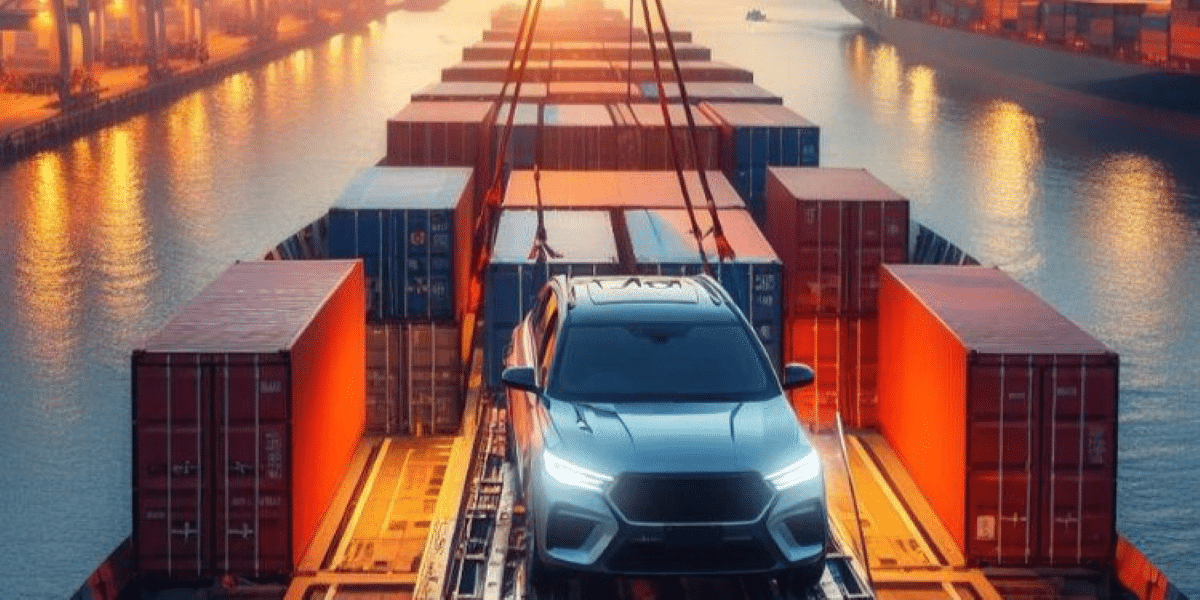
Behind the Wheel: Unveiling the Role of Vehicle Types and Sizes in Shipping Logistics

In the intricate web of shipping logistics, the choice of vehicles plays a pivotal role in ensuring the smooth and efficient transportation of goods from point A to point B. Whether it’s navigating narrow city streets or traversing vast stretches of highways, selecting the right vehicle type and size is paramount for optimizing logistics operations. Let’s delve deeper into the significance of vehicle selection and its impact on shipping logistics.

Understanding the Terrain: Tailoring Vehicles to Specific Environments

One of the primary considerations in selecting vehicles for shipping logistics is understanding the unique terrain and environment in which they will operate. Urban areas with congested streets and tight spaces necessitate the use of smaller vehicles such as vans or compact trucks. 

These vehicles offer greater maneuverability and accessibility, allowing them to navigate through narrow alleys and congested traffic with ease.

Conversely, in rural or remote areas characterized by rugged terrain and unpaved roads, larger vehicles such as trucks or specialized off-road vehicles are often required. These vehicles are equipped with robust suspension systems and powerful engines capable of tackling challenging terrain while ensuring the safe and timely delivery of goods.

Maximizing Payload Capacity: Balancing Size and Cargo Volume

Another crucial aspect of vehicle selection in shipping logistics is maximizing payload capacity while balancing size and cargo volume. Larger vehicles typically offer greater cargo space and carrying capacity, allowing for the transportation of larger quantities of goods in a single trip. However, larger vehicles also come with higher operating costs, including fuel consumption and maintenance expenses.

On the other hand, smaller vehicles may have limited cargo space but are more fuel-efficient and cost-effective for transporting smaller loads over shorter distances. By carefully assessing the volume and weight of the cargo being transported, logistics companies can optimize their vehicle selection to maximize efficiency and minimize costs.

Specialized Needs: Tailoring Vehicles to Specific Industries

Different industries have unique transportation requirements, necessitating the use of specialized vehicles tailored to their specific needs. For example, the transportation of perishable goods such as food or pharmaceuticals requires refrigerated vehicles equipped with temperature-controlled compartments to maintain the integrity and freshness of the cargo.

Similarly, industries that deal with oversized or irregularly shaped cargo, such as construction or manufacturing, may require the use of flatbed trucks or specialized trailers capable of accommodating large or unconventional loads. By investing in specialized vehicles that cater to their unique requirements, companies can ensure the safe and efficient transportation of goods while minimizing the risk of damage or spoilage. Learn more: https://www.a1autotransport.com

Embracing Innovation: The Rise of Electric and Autonomous Vehicles

As technology continues to advance, the landscape of shipping logistics is evolving with the emergence of electric and autonomous vehicles. Electric vehicles offer numerous benefits, including reduced emissions, lower operating costs, and enhanced sustainability. With the growing emphasis on environmental conservation and carbon footprint reduction, many logistics companies are incorporating electric vehicles into their fleets to minimize their environmental impact.

Autonomous vehicles, equipped with advanced sensors and artificial intelligence algorithms, have the potential to revolutionize the field of shipping logistics by enabling fully automated transportation operations. While still in the early stages of development and deployment, autonomous vehicles hold the promise of improving safety, efficiency, and reliability in logistics operations by eliminating human error and optimizing route planning and navigation.

Harnessing Data: Leveraging Analytics for Optimal Vehicle Selection

In today’s data-driven world, the importance of analytics in logistics cannot be overstated. By harnessing data analytics and predictive modeling, logistics companies can gain valuable insights into factors such as traffic patterns, weather conditions, and demand fluctuations. These insights enable more informed decisions when selecting vehicles for shipping logistics, allowing companies to optimize routes, minimize delivery times, and reduce operational costs.

Environmental Considerations: Promoting Sustainability in Vehicle Selection

With increasing concerns about environmental sustainability, logistics companies are increasingly prioritizing eco-friendly vehicle options. Electric and hybrid vehicles offer reduced emissions and lower carbon footprints compared to traditional gasoline or diesel-powered vehicles. By incorporating electric and hybrid vehicles into their fleets, logistics companies can not only reduce their environmental impact but also benefit from government incentives and tax breaks aimed at promoting green transportation initiatives.

Future Trends: Anticipating Developments in Vehicle Technology

Looking ahead, the future of vehicle selection in shipping logistics is ripe with innovation and technological advancements. From the rise of hydrogen-powered vehicles to the integration of drone delivery systems, the landscape of logistics is constantly evolving. Keeping abreast of emerging trends and developments in vehicle technology is essential for staying competitive in the ever-changing logistics industry. By embracing innovation and staying ahead of the curve, logistics companies can position themselves for success in the dynamic world of shipping logistics.

Last-Mile Solutions: Optimizing Vehicle Selection for Final Delivery

The last mile of delivery presents unique challenges and opportunities in vehicle selection. To efficiently navigate urban environments and reach final destinations, logistics companies are exploring innovative last-mile solutions such as electric bicycles, scooters, and autonomous delivery robots. These smaller, agile vehicles are well-suited for navigating crowded streets and pedestrian areas, enabling faster and more cost-effective delivery options for customers.

Regulatory Compliance: Adapting to Changing Transportation Regulations

Regulatory compliance is a crucial consideration in vehicle selection for shipping logistics. As transportation regulations evolve to address safety, emissions, and efficiency standards, logistics companies must adapt their vehicle fleets accordingly. Staying abreast of regulatory changes and ensuring compliance with local, national, and international transportation laws is essential for avoiding penalties, maintaining operational efficiency, and upholding corporate responsibility.

Customer Preferences: Aligning Vehicle Selection with Consumer Expectations

In an era of heightened customer expectations, vehicle selection in shipping logistics must align with consumer preferences for convenience, speed, and sustainability. Offering flexible delivery options, such as same-day or next-day delivery, requires logistics companies to deploy vehicles capable of rapid response and efficient route optimization. Additionally, incorporating eco-friendly vehicles and delivery methods resonates with environmentally conscious consumers, enhancing brand reputation and customer loyalty.

In the dynamic world of shipping logistics, the role of vehicle types and sizes cannot be overstated. From navigating urban jungles to traversing rugged landscapes, selecting the right vehicle is essential for optimizing logistics operations and ensuring the timely and efficient delivery of goods. By understanding the terrain, maximizing payload capacity, addressing specialized needs, and embracing innovation, logistics companies can stay ahead of the curve and navigate the road ahead with confidence.

Published by: Martin De Juan

Udit Ghosh’s Profit Path: Unveiling the Power of PR and Branding in Online Success

In the vast expanse of the internet, where opportunities abound and competition is fierce, the ability to stand out and capture attention is paramount to success. Udit Ghosh, a visionary entrepreneur, understands this fundamental truth and has masterfully leveraged the power of public relations (PR) and branding to carve a lucrative niche in the digital realm. Through strategic storytelling, brand positioning, and relentless innovation, Udit has forged a path to profitability online, showcasing the indispensable role of PR and branding in the pursuit of financial success.

The Digital Marketplace: Opportunities and Challenges

The internet has democratized commerce, offering a level playing field for entrepreneurs to showcase their products and services to a global audience. However, amidst this sea of opportunity, navigating the digital marketplace can be daunting. With millions of websites vying for attention and consumer trust at stake, establishing a strong online presence is essential for anyone looking to make money online.

The Power of Perception: Understanding the Role of Branding

At the heart of online success lies the power of perception. How a brand is perceived by its target audience can make all the difference between success and failure. This is where branding plays a pivotal role. By carefully crafting a brand identity that resonates with their target demographic, entrepreneurs can differentiate themselves from the competition, build trust with consumers, and ultimately drive sales.

Building Trust Through Strategic PR Initiatives

Trust is the currency of commerce in the digital age. Without it, even the most innovative products and services will struggle to gain traction online. This is where PR comes into play. Through strategic PR initiatives, entrepreneurs like Udit Ghosh can enhance their credibility, foster positive relationships with their audience, and position themselves as trusted authorities in their respective industries. Whether it’s securing media coverage, managing online reputation, or leveraging influencer partnerships, PR can help entrepreneurs build the trust needed to succeed in the competitive online landscape.

Leveraging Storytelling to Connect with Audiences

In a digital world saturated with content, storytelling has emerged as a powerful tool for capturing the hearts and minds of consumers. By crafting compelling narratives that resonate with their audience’s emotions and aspirations, entrepreneurs can forge deep connections with their customers, driving engagement and loyalty. Udit Ghosh understands the importance of storytelling in online branding, using it to humanize his brand, evoke empathy, and ultimately drive conversions.

Establishing Authority and Thought Leadership

In the digital realm, authority and thought leadership can significantly impact an entrepreneur’s ability to monetize their online presence. By positioning themselves as experts in their field and sharing valuable insights and expertise with their audience, entrepreneurs can attract followers, command higher prices for their products and services, and open doors to lucrative opportunities such as speaking engagements, consulting gigs, and partnerships.

The Bottom Line: Monetizing Online Presence Through Branding and PR

Ultimately, the goal of branding and PR in the online space is to drive revenue and profitability. By cultivating a strong brand identity, building trust with their audience, and establishing themselves as thought leaders in their industry, entrepreneurs like Udit Ghosh can create a fertile environment for monetization. Whether through direct sales, affiliate marketing, sponsored content, or other revenue streams, a well-executed branding and PR strategy can pave the way for sustained financial success online.

Looking Ahead: The Future of Online Entrepreneurship

As the digital landscape continues to evolve, the importance of branding and PR in driving online success will only become more pronounced. Entrepreneurs who understand the power of perception, storytelling, and authority will be well-positioned to thrive in this ever-changing environment. With a strategic focus on branding and PR, coupled with relentless innovation and adaptability, the possibilities for monetizing online presence are endless.

Published by: Holy Minoza