Portland News

Harmonizing Elegance and Safety: An Overview of Lot Striping and Markings by Skye Asphalt Paving in Plano, Texas

By: Skye Asphalt Paving 

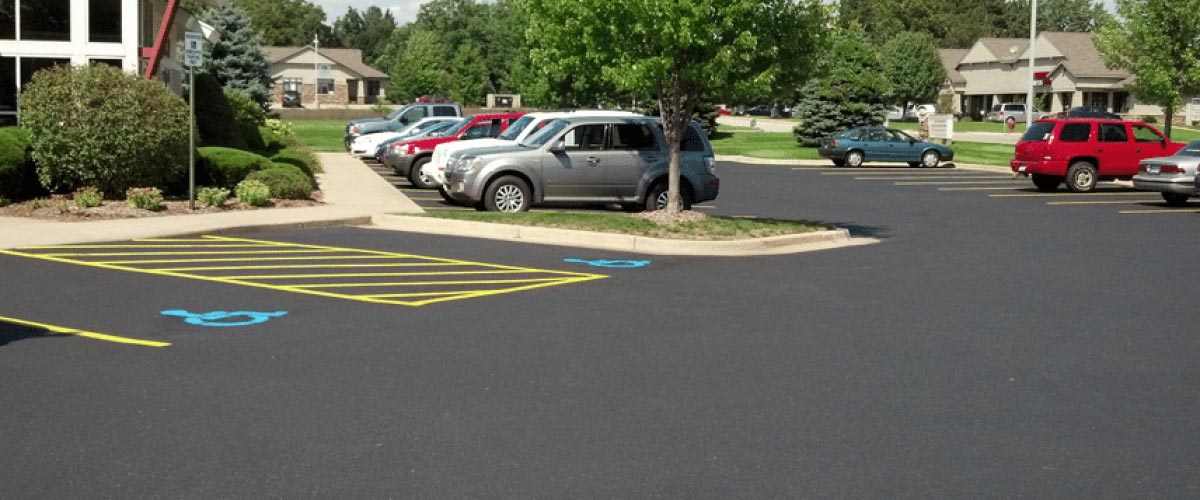
The sweeping power of aesthetics and safety in paving projects is undeniable. This is especially so when discussing lot striping and markings in Plano, Texas. Skye Asphalt Paving, a leading figurehead in the industry, demonstrates considerable prowess in the detail requirement for clarity and accuracy of lot striping and markings.

Lot striping and markings are essential aspects of civil engineering and construction initiatives. They are majorly used in public and private parking lots, warehouses, and other facilities that require distinct demarcations to increase inefficiency, direct traffic, and ensure the safety of passersby. This feature often goes unnoticed, yet it gulps a significant chunk of attention in the planning and execution stages due to the critical role it plays in guiding vehicular and pedestrian movement.

Located in Plano, Texas, Skye Asphalt Paving is a brand well-grounded with years of practice and boasts several positive reviews across various platforms. With a spotless record and impressive portfolio, Skye Asphalt’s work speaks volumes about their commitment to delivering top-notch services.

Lot striping and markings require an expert touch, detailed insight, and precision. All of which are paramount attributes the team at Skye Asphalt Paving is equipped with. They understand deeply how quality and precision can directly impact the program flow of activities, safety, and overall visual appeal of a space. Therefore, they employ modern techniques, use durable and quality materials, and follow the set regulations and standards.

One might ask why such emphasis on something as seemingly insignificant as striping and markings. Well, for one, the job of the marking is to communicate silently to drivers. Providing well-marked pedestrian crosswalks, stopping points, loading zones, and handicap reserves can potentially reduce the likelihood of mishaps within the premises. In addition, specifics such as the placement of fire lanes and hyphenation zone markings are included in the local building codes and the American Disabilities Act. Therefore, a breach of these can lead to substantial legal liabilities.

Skye Asphalt Paving has established itself as a trusted partner in the enhanced aesthetics and safety of Plano, Texas, with a keen eye for meeting standard requirements while maintaining functionality and orderliness.

A stroll through their digital platforms on their [website](planoasphaltpaving.info), [YouTube](1drv.ms/v/s!AtiEb_YEWvWVjxzZE_pIMir9RFRv?e=tmRjDo), [Facebook](www.facebook.com/Skye-Asphalt-109179651279605/?ref=page_internal), Yelp, or Google Maps, reveals a rich archive of completed projects. This barrage of completed tasks showcases their prowess in etching out the minute details to deliver a masterpiece.

Confidently tackling various projects and leaving a streak of satisfied clients in its wake, Skye Asphalt Paving has proven itself time and again to be the go-to brand for quality and precision. Their testimonials are brimming with praises and affirmation of their excellent service. Sealing deals with their impeccable services, they further commit to post-project follow-ups to ensure the client’s satisfaction.

Seeing the remarkable jobs carried out by Skye Asphalt Paving, one might rightfully conclude that each striped and marked lot courtesy of this brand harmonizes elegance with safety.

Through years of excellence and a commitment to providing the best, Skye Asphalt Paving continues to add aesthetic profundity and meaningful safety qualities to spaces through lot striping and marking in Plano, Texas. Their winning approach of incorporating functionality, safety, and art makes them stand out in the crowded industry. It sends a clear message to all about their unique brand of service delivery.

Transforming the boring, regular parking lot into a beehive of organized activity and delightful visual order with their distinctive touch, Skye Asphalt Paving has changed the narrative on lot striping and markings.

In many ways, each project executed by Skye Asphalt Paving transcends beyond mere functionality. They incorporate an artistic touch, ensuring that every dashed, solid, and crosswalk line plays its part in the visual symphony. Ultimately, a trademark of Skye Asphalt paving is the exquisite mix of art and safety, working harmoniously to deliver visually pleasing yet functional lot striping and markings.

With every project a testament to their ethos of excellence and precision, Skye Asphalt Paving continues to pave the way (quite literally) in the industry. One stripe, one marking at a time, they are setting new standards and redefining the efficiency and aesthetics of parking lots and walkways in Plano, Texas. There is optimism that they will continue their brilliant work, fostering safety and elegance with their top-quality lot striping and marking services at the heart of Plano, Texas.
 

Navigating the Business Seas: The Imperative Role of Risk Mitigation

In the ever-evolving landscape of business, the winds of uncertainty blow strong. For enterprises to thrive, it is paramount to set sail with a sturdy vessel equipped to weather the storms. In this era of unpredictability, risk mitigation emerges as the compass guiding businesses through treacherous waters, ensuring not only survival but sustained success.

Understanding the Multifaceted Threats

  1. Financial Volatility:

In the tumultuous world of commerce, financial instability stands as a perennial threat. Market fluctuations, economic downturns, or sudden policy changes can send shockwaves through even the most robust business structures. Recognizing these financial perils is the first step toward building a resilient enterprise.

  1. Cybersecurity Menace:

In an age dominated by technology, the digital realm brings both promise and peril. Cyber threats, ranging from data breaches to ransomware attacks, pose a severe risk to businesses of all sizes. A single security breach can jeopardize sensitive information, erode customer trust, and lead to financial repercussions.

  1. Supply Chain Disruptions:

Globalization has interconnected businesses across borders, but this interconnectedness also introduces vulnerabilities. Supply chain disruptions, whether due to natural disasters, geopolitical tensions, or logistical challenges, can cripple operations. As witnessed in recent times, a disturbance in one part of the world can resonate globally, affecting businesses downstream.

  1. Regulatory Compliance Challenges:

Navigating the labyrinth of ever-changing regulations is a formidable task for businesses. Non-compliance can result in hefty fines, legal troubles, and damage to reputation. Staying abreast of regulatory changes and ensuring adherence is vital to mitigating this threat.

  1. Natural Disasters:

Nature, with its unpredictable temperament, poses a significant threat to businesses. From earthquakes to hurricanes, wildfires to floods, natural disasters can wreak havoc on physical infrastructure, disrupt supply chains, and halt operations. Building resilience against such forces of nature is a crucial aspect of any comprehensive risk mitigation strategy.

Crafting a Robust Risk Mitigation Strategy

  1. Risk Assessment:

Before navigating uncharted waters, captains meticulously study maps. Similarly, businesses must conduct comprehensive risk assessments. Identify potential threats specific to your industry, size, and geographical location. This thorough evaluation lays the foundation for a targeted risk mitigation strategy.

  1. Diversification of Investments:

Just as a wise investor diversifies their portfolio, businesses should diversify their operations. Relying on a single revenue stream or a sole supplier exposes the enterprise to unnecessary risks. A diversified approach acts as a hedge, minimizing the impact of disruptions in any one area.

  1. Cybersecurity Vigilance:

In the digital age, the importance of robust cybersecurity cannot be overstated. Implementing state-of-the-art security measures, regular system audits, and employee training on cyber hygiene are crucial components of a comprehensive cybersecurity strategy. A resilient defense can thwart potential cyber threats and safeguard sensitive data.

  1. Supply Chain Resilience:

Building a resilient supply chain involves strategic planning and proactive measures. Establishing alternative suppliers, maintaining clear communication channels, and regularly evaluating the vulnerability of the supply chain to potential disruptions are vital. An agile supply chain can adapt swiftly to unforeseen challenges, ensuring uninterrupted operations.

  1. Compliance Management:

Staying compliant with regulations is not a one-time effort but an ongoing commitment. Establishing a dedicated compliance management team, investing in compliance software, and fostering a culture of regulatory awareness within the organization are key elements of a successful compliance strategy. Regular audits and updates are essential to ensure continued adherence.

The Bottom Line: Safeguarding Success

In the dynamic world of business, risk is inevitable, but the impact is not. Crafting and implementing a robust risk mitigation strategy is not a luxury; it’s a necessity. The ability to anticipate, adapt, and navigate through challenges is the hallmark of a resilient enterprise.

As businesses face an array of threats, from financial volatility to cybersecurity risks, and the unpredictable forces of natural disasters, the importance of risk mitigation cannot be overstated. In an era where uncertainty is the only constant, proactive measures are the armor that shields businesses from unforeseen perils.

The successful navigation of the business seas requires a combination of foresight, adaptability, and strategic planning. By understanding the diverse threats that loom on the horizon and implementing a comprehensive risk mitigation strategy, businesses can not only weather the storms but emerge stronger, more agile, and poised for sustained success in the ever-changing global marketplace.


Military Service Verification in Academic and Educational Settings

By: SEOmavens

In academic and educational settings, the verification of military service plays a pivotal role, especially in ensuring that veteran students receive the benefits and support they are entitled to. Utilizing resources like the Defense Manpower Data Center (DMDC) military database, educational institutions can accurately verify a student’s military background. This process is essential not only for maintaining compliance with federal guidelines but also for providing a foundation of trust and authenticity. This blog delves into how effectively leveraging DMDC military verification tools can enhance the educational experiences of veteran students, opening doors to numerous resources and opportunities tailored to their unique needs.

The Role of Military Verification in Academia

Military service verification in academic settings is a crucial process that ensures veteran students receive the benefits and recognition they deserve. This verification, often facilitated through systems like the Defense Manpower Data Center (DMDC), confirms a student’s military background, including service duration and discharge status. In academia, this process plays a vital role in upholding the integrity of veteran-specific programs and benefits, such as educational grants, scholarships, and counseling services tailored for veterans. By accurately verifying military service, educational institutions can align their resources and support systems effectively to meet the specific needs of veteran students. Furthermore, this verification assists in maintaining compliance with federal and state educational regulations concerning veteran affairs. It ensures that the significant contributions and sacrifices of veterans are acknowledged and rewarded appropriately within the academic community, fostering a culture of respect and inclusivity.

Benefits for Veteran Students

The verification of military service opens a gateway of opportunities and benefits for veteran students in academic settings. Primarily, this process is essential for accessing educational benefits under programs like the G.I. Bill. These benefits significantly reduce the financial burden of higher education by covering tuition, providing housing allowances, and even funding for books and supplies. By having their service verified, veterans can seamlessly tap into these resources, paving the way for a smoother transition to academic life.

Moreover, verified military service often makes veterans eligible for exclusive scholarships and grants designed specifically for them. These financial aids recognize the sacrifices of veterans and provide additional support, enabling them to focus more on their studies and less on financial concerns.

In addition to financial benefits, verified veteran students often receive tailored academic support services. These include priority registration, customized academic advising, and access to veteran-specific counseling services. Such support is vital in addressing the unique challenges that veteran students might face, such as adapting to a different learning environment or coping with service-related disabilities.

Furthermore, this verification fosters a sense of community and belonging. Many institutions have veteran associations and clubs, where verified veteran students can connect, share experiences, and support each other. This sense of belonging is crucial for their academic success and overall well-being, making the verification of their military service a key step in their educational journey.

Compliance and Ethical Considerations

In the realm of academia, complying with legal standards while ethically verifying military service is imperative. Educational institutions must navigate this process by adhering to federal guidelines, such as those set by the Department of Veterans Affairs. This ensures that the benefits provided to veteran students are both justified and lawful. However, compliance extends beyond legalities; it encompasses ethical considerations as well.

Respecting the privacy and dignity of veteran students is paramount during the verification process. Institutions must handle sensitive personal information with the utmost confidentiality and care, avoiding any actions that might inadvertently stigmatize or single out veterans. Furthermore, it’s essential to approach the verification process with an understanding of the diverse experiences and backgrounds of veteran students, ensuring that no bias or prejudice influences their academic opportunities.

Balancing these compliance and ethical considerations is crucial for educational institutions. It not only fosters a trustworthy and respectful environment but also upholds the integrity and purpose of the academic benefits provided to veterans. This careful approach reinforces the commitment of educational institutions to honor and support those who have served.

Challenges and Solutions in Verification Process

Navigating the military service verification process in academic settings can present several challenges, but there are effective solutions to address them. One primary challenge is the complexity of military documents and records. These documents can be dense and difficult for academic staff unfamiliar with military terminology to interpret accurately. To overcome this, institutions can invest in specialized training for staff members or collaborate with veteran organizations that offer expertise in understanding these documents.

Another challenge is the timely processing of verification requests. Delays in verification can hinder veterans from accessing benefits in a timely manner, potentially impacting their academic progress. Streamlining the process through digital solutions, such as online verification systems, can significantly reduce processing times. Additionally, establishing dedicated veteran services offices within institutions can expedite and simplify the verification process for veteran students.

Privacy concerns also pose a challenge. Handling sensitive military records requires a high level of confidentiality. Educational institutions must ensure robust data protection measures are in place to safeguard personal information. Regular audits and compliance checks can help maintain stringent data security standards.

Lastly, institutions might face difficulties in keeping up with changing regulations and policies related to veteran benefits. Staying informed through continuous engagement with veteran affairs departments and regulatory bodies is key to addressing this challenge.

By proactively tackling these challenges with thoughtful and efficient solutions, academic institutions can create a more supportive and accessible environment for veteran students, ensuring their military service is acknowledged and rewarded in the academic realm.

Supporting Veteran Integration into Academic Life

Effective military service verification is a foundational step in supporting veteran students’ integration into academic life. Once their service is verified, veterans can more easily connect with campus resources specifically designed for their success. Many institutions offer veteran-specific orientation programs that help these students acclimate to academic life and understand the resources available to them.

Beyond administrative support, creating an inclusive campus culture is vital. This involves raising awareness among faculty and students about the unique experiences and perspectives that veteran students bring to the classroom. Workshops and training sessions can be instrumental in fostering this understanding and appreciation.

Mentorship programs pairing veteran students with faculty or peers are also beneficial. These programs provide veterans with a support network that understands their specific challenges and can guide them through their academic journey.

By prioritizing the integration of veteran students into the academic community, educational institutions not only honor their service but also enrich the campus culture with diverse experiences and viewpoints, enhancing the learning environment for all.

Conclusion

In conclusion, effectively verifying military service in academic settings is pivotal for honoring and supporting our veteran students. It unlocks crucial benefits, fosters inclusive academic environments, and ensures compliance with legal standards. By prioritizing this process, educational institutions play a key role in facilitating a smooth and successful transition for veterans into academic life.

The Future of Sustainable Agriculture: Innovations and Practices

By: John Gessin

Sustainability has become the buzzword of the century, and rightly so. With the growing awareness of climate change and its devastating effects on our planet, as emphasized by environmental consultant John Gessin, industries around the world are under immense pressure to shift toward more sustainable practices. Among these, agriculture stands out as a sector with tremendous potential for positive change. In this article, we delve into the future of sustainable agriculture, exploring innovative practices and technologies that are paving the way for a greener and more food-secure world.

Sustainability and Agriculture: A Crucial Partnership

Agriculture has always been at the forefront of human civilization. It is the backbone of our food supply, the source of livelihood for millions, and a major contributor to the global economy. However, the traditional practices of farming, with their heavy reliance on chemical inputs and excessive resource consumption, have taken a toll on the environment. The need for a shift towards sustainable agriculture has never been more urgent.

The Farm of Tomorrow: Sustainable Practices

  1. Precision Farming: Precision agriculture uses technology to optimize farming practices, resulting in increased productivity and reduced environmental impact. GPS-guided machinery, soil sensors, and drones are utilized to monitor and manage crops more efficiently. These technologies allow farmers to apply resources such as water and fertilizer precisely where and when they are needed, minimizing waste and runoff.
  2. Agroforestry: This practice combines trees and crops on the same piece of land, offering numerous benefits. Trees provide shade, reduce soil erosion, and contribute to carbon sequestration. They also improve soil health and provide habitat for beneficial insects. In return, crops can provide a source of income for farmers.
  3. Cover Cropping: Cover cropping involves planting specific crops during off-seasons to protect and enrich the soil. These cover crops prevent erosion, suppress weeds, and enhance soil fertility. Legumes like clover also fix nitrogen, reducing the need for synthetic fertilizers.
  4. Crop Rotation: Crop rotation is a time-honored practice that helps break pest and disease cycles naturally. By rotating crops, farmers can maintain soil health and reduce the need for chemical pesticides.
  5. Organic Farming: Organic farming is becoming increasingly popular as consumers demand pesticide-free produce. This method relies on natural processes and biological controls to manage pests and diseases.

Technological Advancements in Sustainable Agriculture

The integration of technology into agriculture is a game-changer. High-tech solutions are improving efficiency and sustainability in various ways:

  1. Vertical Farming: Pop culture enthusiasts might recall that vertical farming made a cameo in the movie “The Martian.” In reality, this innovative approach to farming involves growing crops in stacked layers indoors, using artificial light and precise environmental controls. It not only saves space but also reduces water usage and minimizes the need for pesticides.
  2. Aquaponics and Hydroponics: These soil-less farming techniques are gaining popularity. Aquaponics combines aquaculture (fish farming) and hydroponics (growing plants in nutrient-rich water). The waste from the fish provides nutrients for the plants, and the plants help filter the water for the fish. It’s a symbiotic system that’s highly resource-efficient.
  3. Blockchain in Agriculture: Blockchain technology is being used to track the origin and journey of food products from farm to fork. This transparency assures consumers of the authenticity and sustainability of their food.
  4. AI and Data Analytics: Artificial intelligence and data analytics are helping farmers make data-driven decisions. Predictive algorithms can forecast weather patterns, crop yields, and even disease outbreaks, enabling farmers to take proactive measures.

Challenges and the Path Forward

While sustainable agriculture is on the rise, it’s not without its challenges. Farmers often face resistance to change due to the costs and learning curve associated with new practices and technologies. Access to funding and education is crucial in helping them make the transition. Additionally, raising awareness among consumers about the benefits of sustainable agriculture and the importance of supporting eco-friendly practices is essential.

The Role of Consumers

In pop culture, we often see heroes who champion causes, fight for justice, and make the world a better place. In the case of sustainable agriculture, consumers have the power to be those heroes. By making conscious choices at the grocery store, supporting local farmers, and demanding sustainably sourced products, individuals can drive change in the industry. Our purchasing decisions send a clear message to the market: we want a greener, more sustainable future.

Conclusion

The future of sustainable agriculture is promising, thanks to innovative practices and technological advancements that prioritize environmental stewardship and food security. As we navigate the challenges of climate change and resource scarcity, sustainable agriculture emerges as a beacon of hope, offering a path to nourishing our growing global population while safeguarding the planet. It’s a future where farms are not only places of productivity but also guardians of our precious natural resources. By embracing these innovations and practices, we can indeed be the heroes in our own sustainable agriculture story, shaping a brighter future for generations to come.